

Football at the Olympic Games is a curious affair — an unusual history, much like everything that has to do with the sport itself. Over time, the significance of the Olympic football tournaments has varied, and it remains perhaps the only sport in which Olympic gold is not considered the pinnacle of achievement.
When the Olympic Games were revived in the bankrupt Greek capital in 1896, football was notably absent from the programme. In fact, the Greek organisers were reluctant to include sports that did not relate directly to martial prowess. Of all ball games, only tennis — seen as sufficiently refined — was included. “Podosfairisi” (football), as it was referred to in contemporary Greek texts, despite its noble origins in British colleges and upper-class society, was already viewed as an activity tainted by the lower classes. As a result, only a single exhibition match took place during the Games, at the velodrome (later named Karaiskakis Stadium), in which a Greek team suffered a heavy defeat — either 9–0 or 15–0 — to a Danish side.
Football officially entered the Olympic programme in 1900, at the Paris Games, marking the beginning of an era in which clubs or combinations of clubs, rather than national teams, represented their countries — something of a hybrid between international and club competition. While the British and French teams were composed solely of players from those respective nations, the Belgian side included a Dutchman and a Briton, which is why the bronze medal they won is not formally attributed to the Belgian Olympic team. For the record, Upton Park FC defeated USFSA — a multi-sport association founded by Pierre de Coubertin — 4–0 in the decisive match, securing the gold medal.
At the 1904 Games in St Louis, one Canadian and two American teams took part, with Galt FC from Canada winning the tournament and bringing home the gold. The first time national teams formally represented their countries at the Olympics was at the 1908 London Games. In football’s homeland, all matches were played at White City Stadium in West London — later the home of QPR. In a unique eight-team knockout format, Great Britain won gold, Denmark took silver, and the Netherlands earned bronze by beating Sweden in the third-place match.
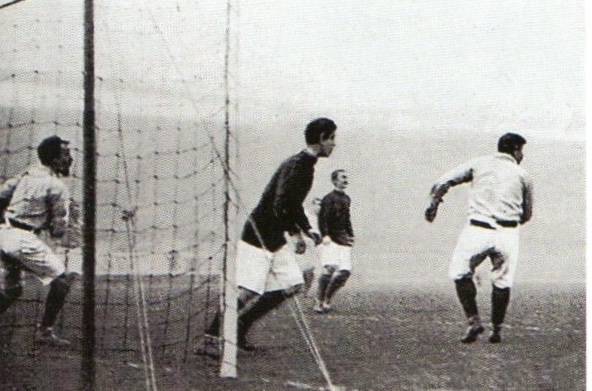
At the 1912 Games in Stockholm, the football tournament expanded, reflecting the sport’s growing popularity across Europe and Latin America. A total of 12 teams participated in a knockout format. The medal distribution mirrored that of 1908: Great Britain took gold, Denmark silver, and the Netherlands bronze. Notably, Finland — still part of the Russian Empire at the time — finished in fourth place.
The First World War brought the Olympic Games to a halt, and many footballers, now in uniform, would make far more significant historical contributions — briefly halting the war at Christmas to play football in the trenches, only to later fall not to tackles, but to bullets handed to them by the ruling classes who were redrawing the world’s borders. It wasn’t until the 1920 Antwerp Olympics that national teams returned to the pitch. That tournament featured 16 teams, and for the first time, Greece took part in an international football competition. Hosts Belgium won the gold medal, defeating Czechoslovakia in the final. Meanwhile, a separate consolation tournament — effectively a repechage — was held to determine the silver and bronze medals, which went to Spain and the Netherlands, respectively.
The 1924 Olympic tournament marked a turning point in the history of football. For the first time, national teams from multiple continents participated, with South America entering the Olympic stage. Although the Copa América had been running since 1916, Latin American teams had never before faced European sides in an official competition. This historic meeting led to Uruguay’s first major triumph: they defeated Switzerland 3–0 in the final. Sweden claimed the bronze medal, this time beating the Netherlands in the third-place playoff.
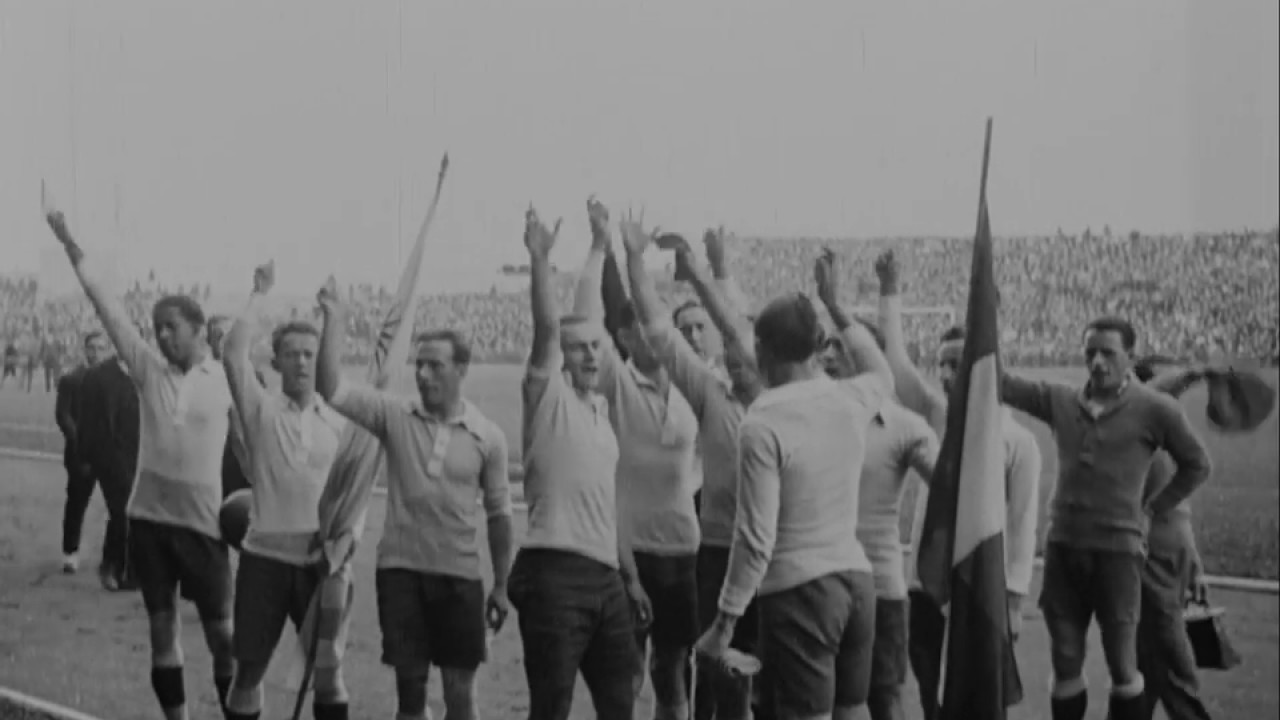
In 1928, Uruguay repeated their triumph in Amsterdam — and South America fully announced its presence, as the final was an all-Latin American affair between Uruguay and Argentina. The first match ended 1–1, and in the replay, La Celeste emerged victorious with a 2–1 win. That victory held deeper significance: Uruguay’s back-to-back Olympic titles in 1924 and 1928 led FIFA to award them the honour of hosting the first-ever World Cup in 1930. These two Olympic triumphs are symbolised by two of the four stars on Uruguay’s shirt, the other two representing their World Cup titles.
In 1932, no football tournament was held at the Los Angeles Olympics. In 1936, during the Games in Nazi Germany, often referred to as the “Hitleriad,” Fascist Italy defeated Austria in the final to claim gold, while Norway took the bronze medal. The next Olympic Games never took place — the world was entering the most devastating period in its history to date, from which it would eventually emerge, at least until the next catastrophe.
The Olympics returned in 1948 in London. Sixteen teams participated, and Sweden won the first post-war gold medal, defeating the newly established Yugoslavia in the final. Denmark beat the hosts, Great Britain, to claim the bronze.
But in 1952, at the Helsinki Olympics, a footballing juggernaut stepped onto the international stage. Hungary, under the guidance of Gusztáv Sebes — the side that would go on to dominate an era and famously defeat England at Wembley a year later — were crowned Olympic champions. In the final, they beat Yugoslavia 2–0, scoring 18 goals and conceding just once across four matches. Greece took part in the preliminary round but were eliminated by Denmark in a 2–1 defeat.
One politically charged encounter during the tournament came in the round of 16, when the Soviet Union met Yugoslavia — at a time when tensions between Stalin and Tito had escalated, and diplomatic relations had broken down. The first match ended in a dramatic 5–5 draw, but the Yugoslavs triumphed 3–1 in the replay.
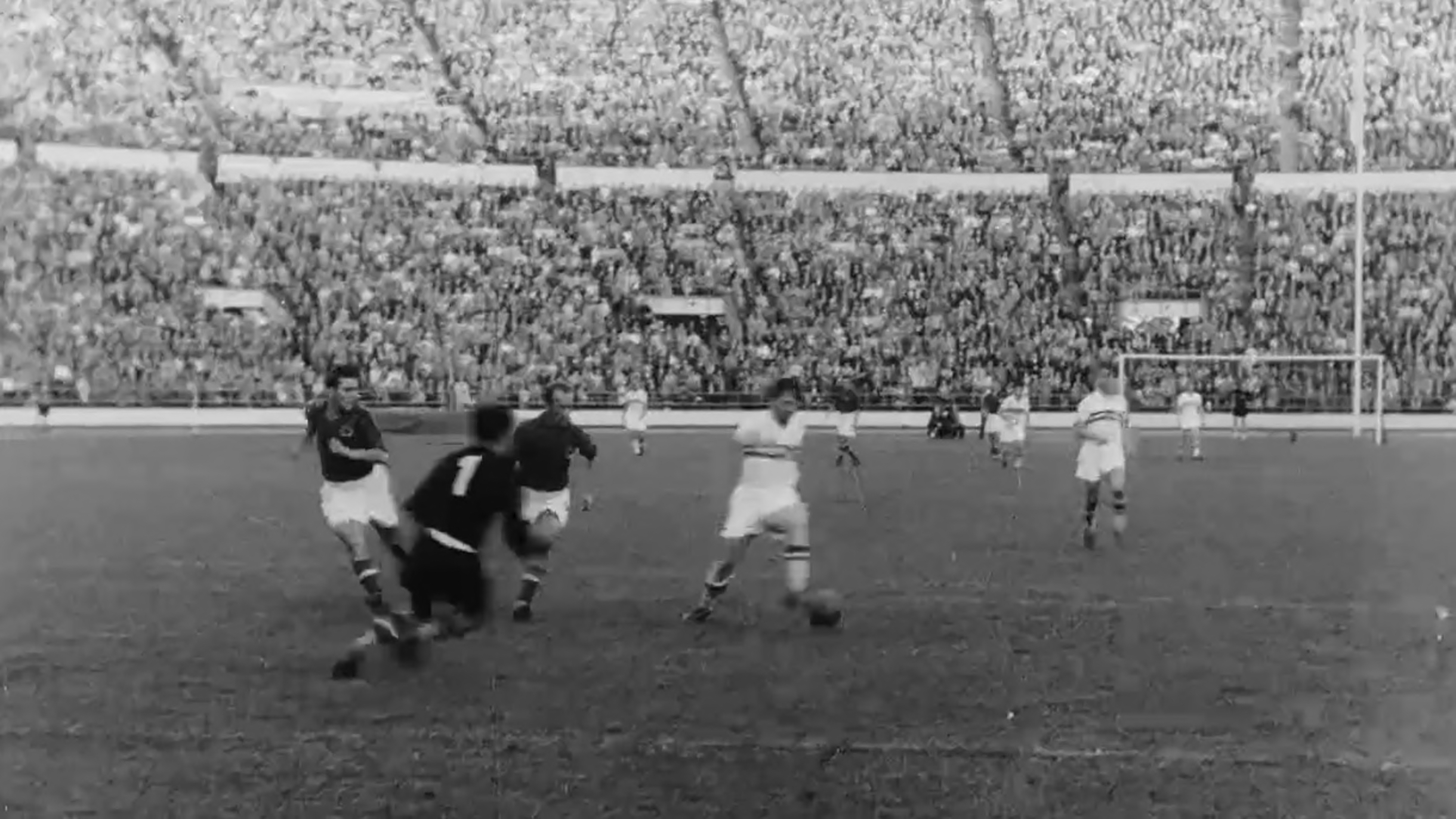
In 1956, at the Melbourne Olympics, the great Hungarian team — still reeling from their heartbreak in Bern — along with several other European sides, did not take part. In the final, Yugoslavia faced the Soviet Union, with the Soviets clinching a 1–0 victory. Remarkably, this same fixture would be repeated a few years later in Paris, in the inaugural UEFA European Nations’ Cup (now the EURO). Bulgaria claimed the bronze medal in Melbourne, defeating India in the third-place match.
By 1960, the Olympic football tournament featured a group stage for the first time, allowing four European powers to advance to the semi-finals as group winners. Yugoslavia, still smarting from their EURO final defeat, took revenge by capturing Olympic gold, beating Denmark in the final. Hungary won the bronze with a 2–1 victory over hosts Italy at the Stadio Flaminio.
The 1964 tournament also included group stages, though knockout matches began from the quarter-finals onward. Hungary claimed another gold, this time defeating Czechoslovakia — who had reached the World Cup final two years earlier — in the Olympic final. The United Team of Germany earned the bronze medal.
Hungary repeated their triumph again in 1968, becoming the first national team to win three Olympic golds in football (excluding the club-based victories of earlier tournaments). Their dominance was halted in 1972, in Munich, when a quartet of Eastern European nations reached the final four. Poland defeated Hungary in the final, while the Soviet Union and East Germany shared the bronze after a 2–2 draw in the third-place match — the last time a tournament would conclude without a penalty shootout.
In 1976, at the Montreal Games, East Germany carried on the socialist football streak by beating Poland in the final, while the USSR took bronze by defeating Brazil. This Eastern Bloc dominance naturally continued at the 1980 Moscow Olympics — boycotted by many Western nations — where Czechoslovakia claimed the title, maintaining another curious trend: that the reigning champions would lose the final. This time, it was East Germany who finished runners-up. The USSR again took bronze, beating Yugoslavia — a pairing that had by then become a familiar fixture in European football.
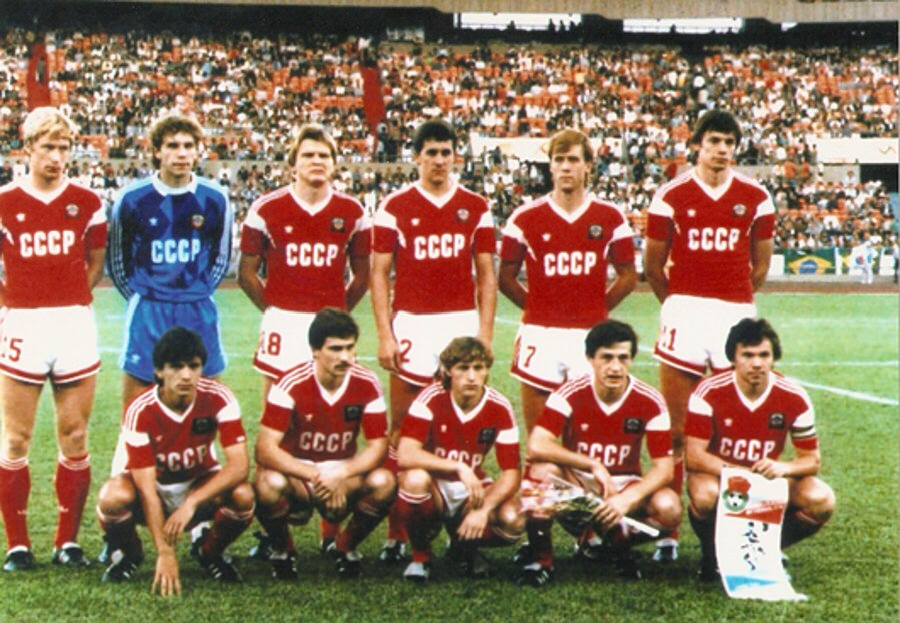
With the continuation of Olympic boycotts, the 1984 Games in Los Angeles offered a rare opening for a Western European nation to triumph. France seized the moment, defeating Brazil 2–0 in the final in Pasadena. Yugoslavia — a perennial contender — claimed bronze once again, beating Italy in the third-place match.
In 1988, Brazil returned to the final, but it was the Soviet Union’s swan song on the Olympic stage. They captured the gold medal with a 2–1 extra-time win, thanks to a historic goal from Torpedo Moscow’s Savichev — who would later play for Olympiacos and finish his career at St. Pauli. West Germany, in its final Olympic appearance under that name, took the bronze medal. The tournament’s top scorer was a young Brazilian known as Romário.
The 1992 Barcelona Olympics saw the first triumph by a country that would go on to dominate world football in the decades to come. With 21-year-old Pep Guardiola in the squad, Spain won the gold medal, defeating Poland 3–2 at the Camp Nou. Ghana made history by securing Africa’s first football medal, beating Australia 1–0 in the third-place match.
But the most transformative moment came in Atlanta in 1996. It was finally time to right the historical wrong of banning women’s football from the Olympic Games — and to give the world’s most popular sport a proper women’s tournament. It would take years to undo the damage caused by this post-war institutional exclusion, rooted in a distorted view of women’s capabilities — but those Games marked a critical first step.
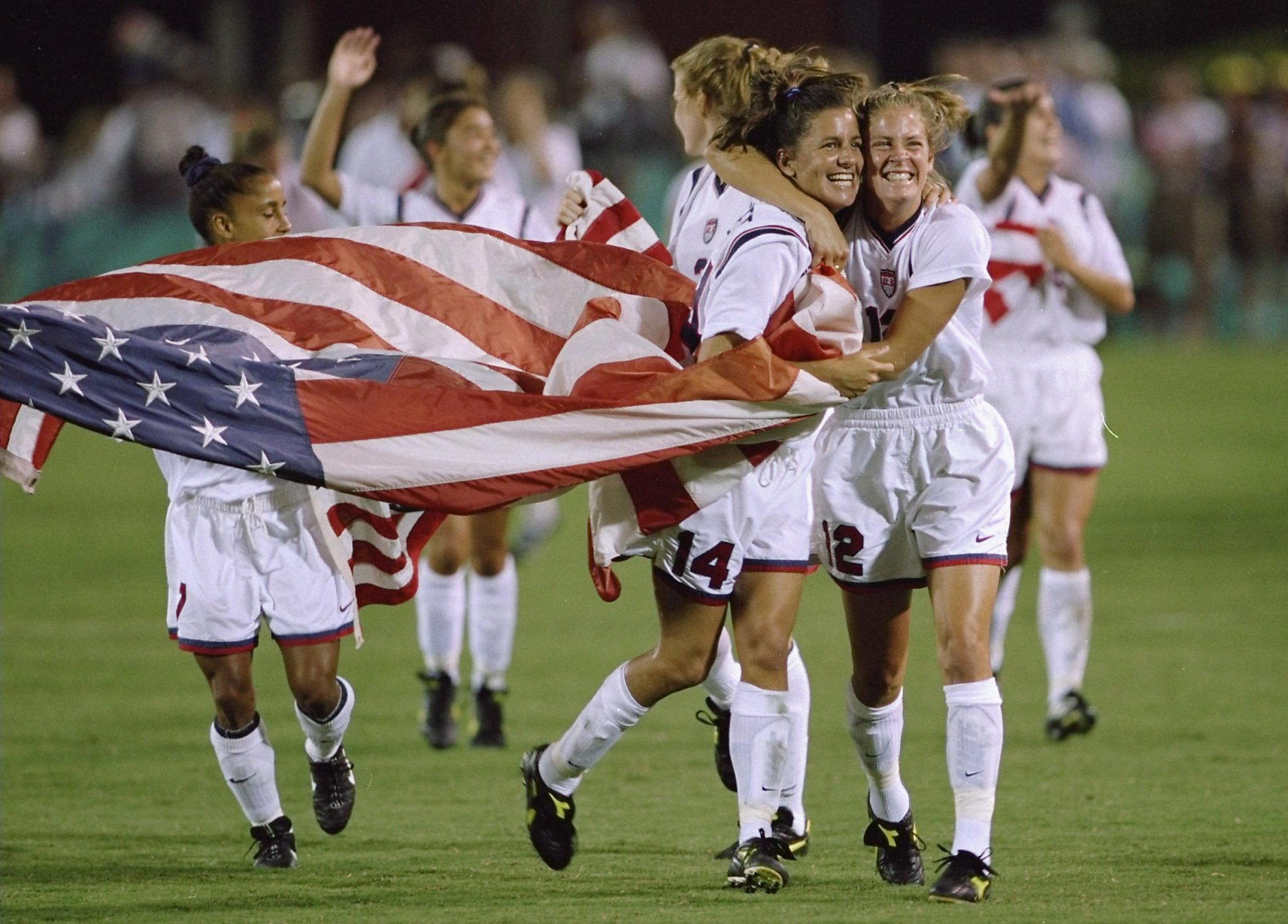
In the inaugural Olympic women’s final, the United States defeated China, while Norway claimed bronze by beating Brazil. A total of eight teams participated, representing four different football confederations. The final was held in front of 74,489 spectators at Sanford Stadium, in Athens, Georgia.
In the men’s tournament at the same Games, Nigeria delivered a breakthrough victory for Africa. The squad — featuring Kanu, Taribo West, Babangida, and Amunike — defeated Argentina 3–2 in a thrilling final. That Argentina team boasted names like Almeyda, Ayala, Crespo, Ortega, Simeone, and Zanetti. In the third-place match, Brazil — with stars such as Aldair, Bebeto, Rivaldo, Roberto Carlos, and a young Ronaldo — demolished Portugal 5–0.
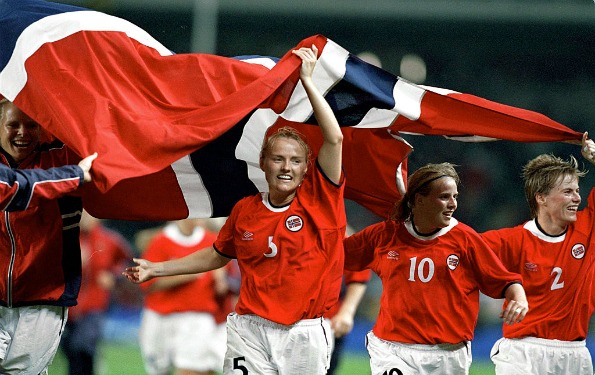
In 2000, Norway seized the crown in the women’s tournament, defeating the United States 3–2 in the final with a golden goal scored by Mellgren in the 102nd minute. Germany claimed the bronze by overcoming Brazil in the third-place match.
In the men’s competition, Africa’s rise continued: Cameroon — with players like Eto’o, Geremi, and Lauren — reached the top of the podium, defeating Spain in a dramatic final that was decided on penalties. Spain’s side included a young Xavi. Chile took home the bronze medal, with the decisive goal in the third-place match scored by their veteran striker Iván Zamorano.
At the 2004 Athens Olympics, the U.S. women’s team faced Brazil in the final at the Karaiskakis Stadium and came out on top once again — this time under the silver goal rule, winning 2–1 in extra time. Germany secured the bronze medal once more.
The men’s tournament drew special attention: the so-called “curse of Maradona” was finally broken, as Argentina — under the leadership of Marcelo Bielsa — claimed gold on a morning at the Olympic Stadium (OAKA), defeating Paraguay 1–0 with a goal from Carlos Tevez, who also finished as the tournament’s top scorer.
Argentina repeated the feat in 2008, this time with Lionel Messi in their ranks, equalling Uruguay’s record of two Olympic golds in men’s football. But in the headline women’s tournament, the United States triumphed once again — beating Brazil in extra time — while Germany continued their consistent form by securing yet another bronze medal.
In the 2012 London Games, dreams of glory for the Lionesses were dashed in the quarter-finals, where they faced a stronger Canadian side — a team from a country that had long invested more consistently and respectfully in women’s football. As a result, Team GB fell short of the final four.
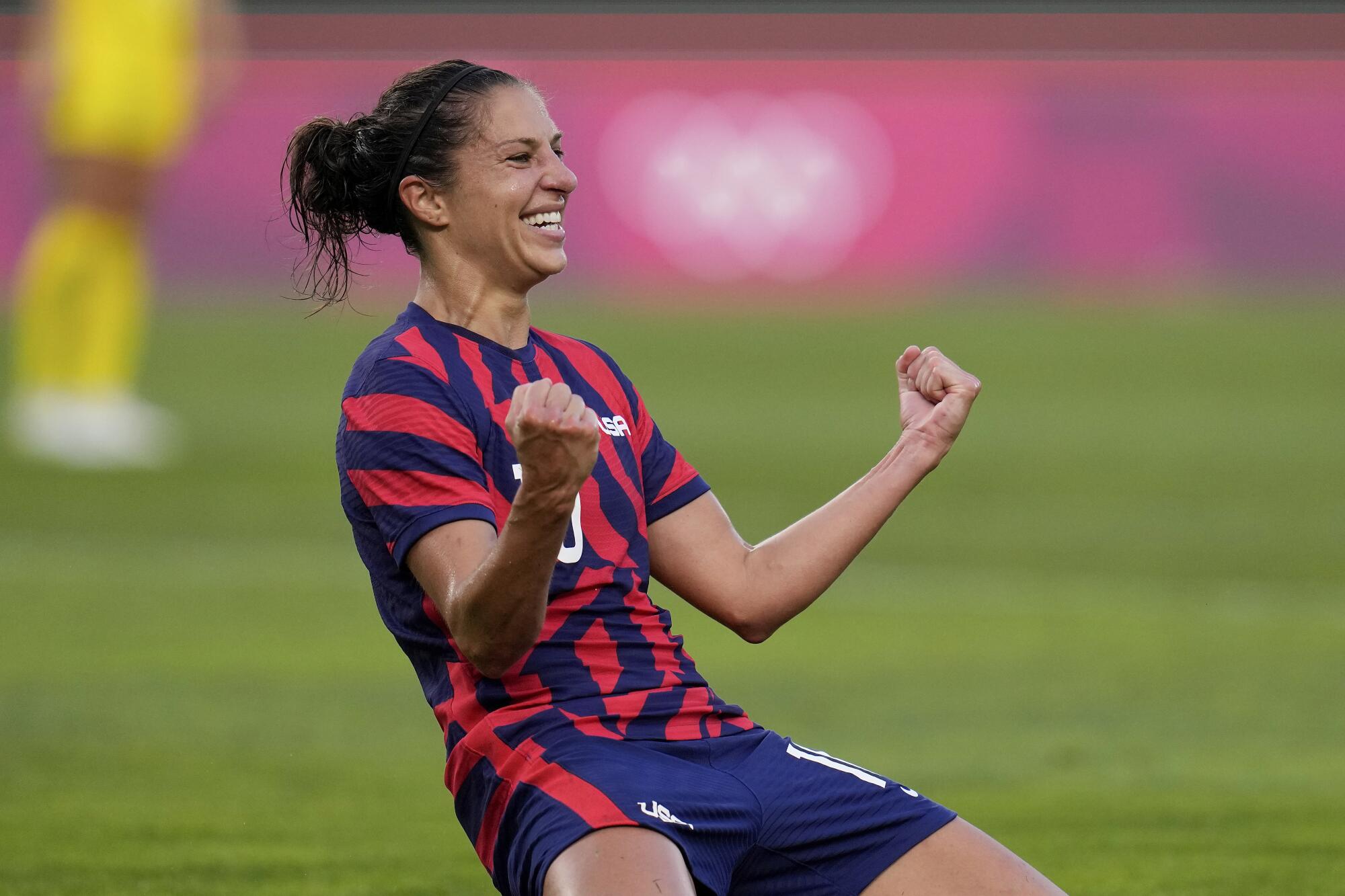
The United States, however, once again rose to the occasion, with Carli Lloyd scoring in the final — just as she had in 2008 — to lead her team to gold. They defeated Japan, the reigning world champions from the previous year’s World Cup. Canada, building toward their home World Cup in 2015, secured the bronze medal by beating France 1–0.
In the men’s tournament, Mexico triumphed — winning their first Olympic gold in football.
At the 2016 Rio Olympics, held in the country where football is a way of life, all eyes were on Brazil’s women’s team — and particularly on Marta, who was hoping to crown her illustrious career with Olympic gold. But her journey ended heartbreakingly. On 16 August at the Maracanã, Sweden held Brazil to a goalless draw and then eliminated them in a penalty shootout, 4–3, advancing all the way to the final.
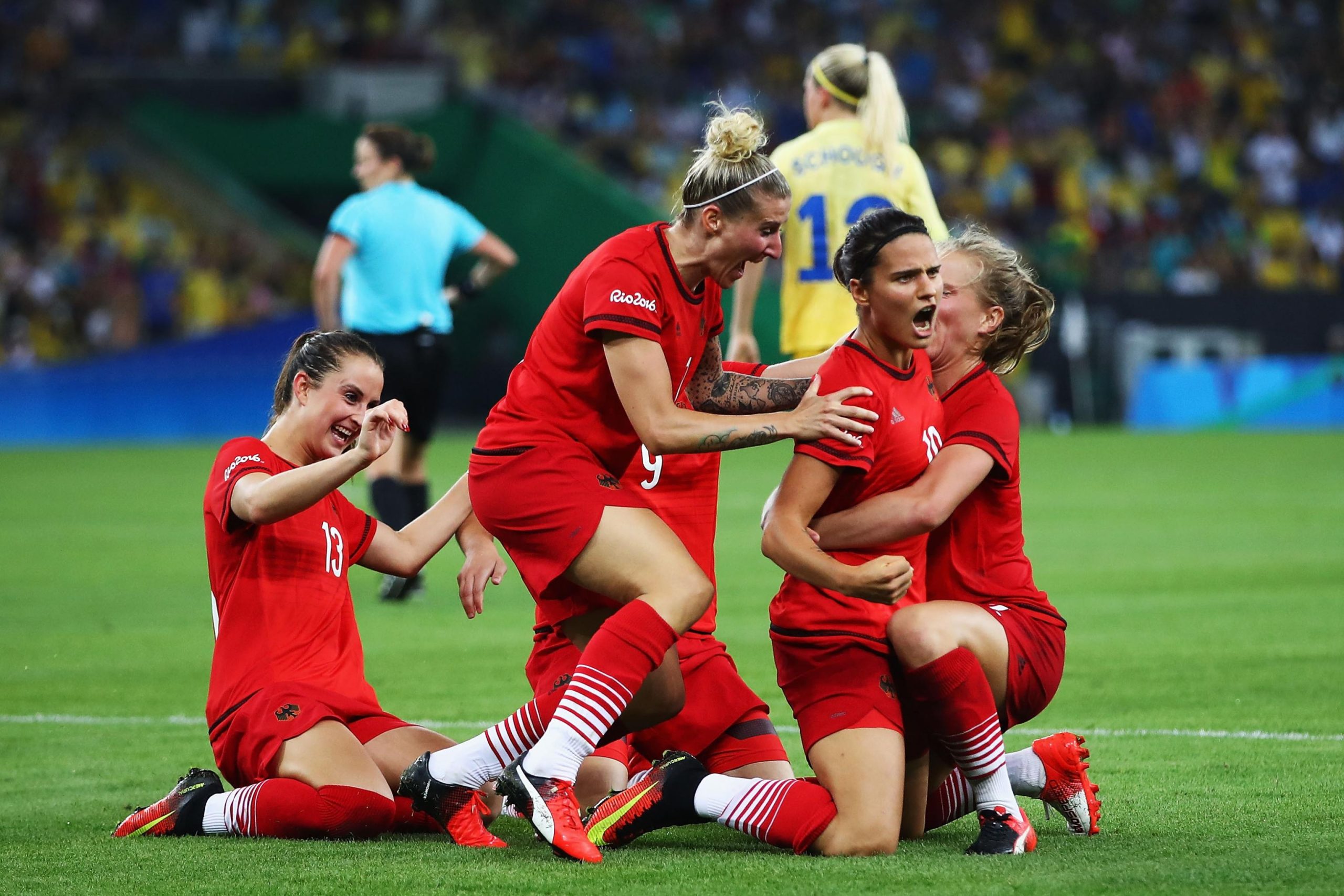
There, Germany finally captured the elusive title, winning 2–1. Brazil also missed out on the bronze medal, losing 1–2 to Canada at the Corinthians Arena.
In the men’s tournament, however, Brazil found redemption. Led by Neymar, they won Olympic gold in front of a jubilant home crowd — defeating Germany in a penalty shootout.
Finally, in 2021 — in the postponed Tokyo Olympics, held in empty stadiums due to the pandemic — Canada won its first-ever gold medal in women’s football. They triumphed 3–2 on penalties against Sweden, having previously knocked out the formidable U.S. team with a 1–0 win in the semi-final in Kashima.
The reigning world champions, the United States, had to settle for bronze — but did so in style. They defeated Australia 4–3 in a thrilling third-place match, with goals from legends Megan Rapinoe and Carli Lloyd, both of whom were bidding farewell to international competition.
In the men’s tournament, Brazil claimed back-to-back golds, defeating Spain in the final. With this victory, Brazil drew level with Uruguay and Argentina in the South American Olympic football medal count — keeping the continental rivalry alive on yet another front.
