
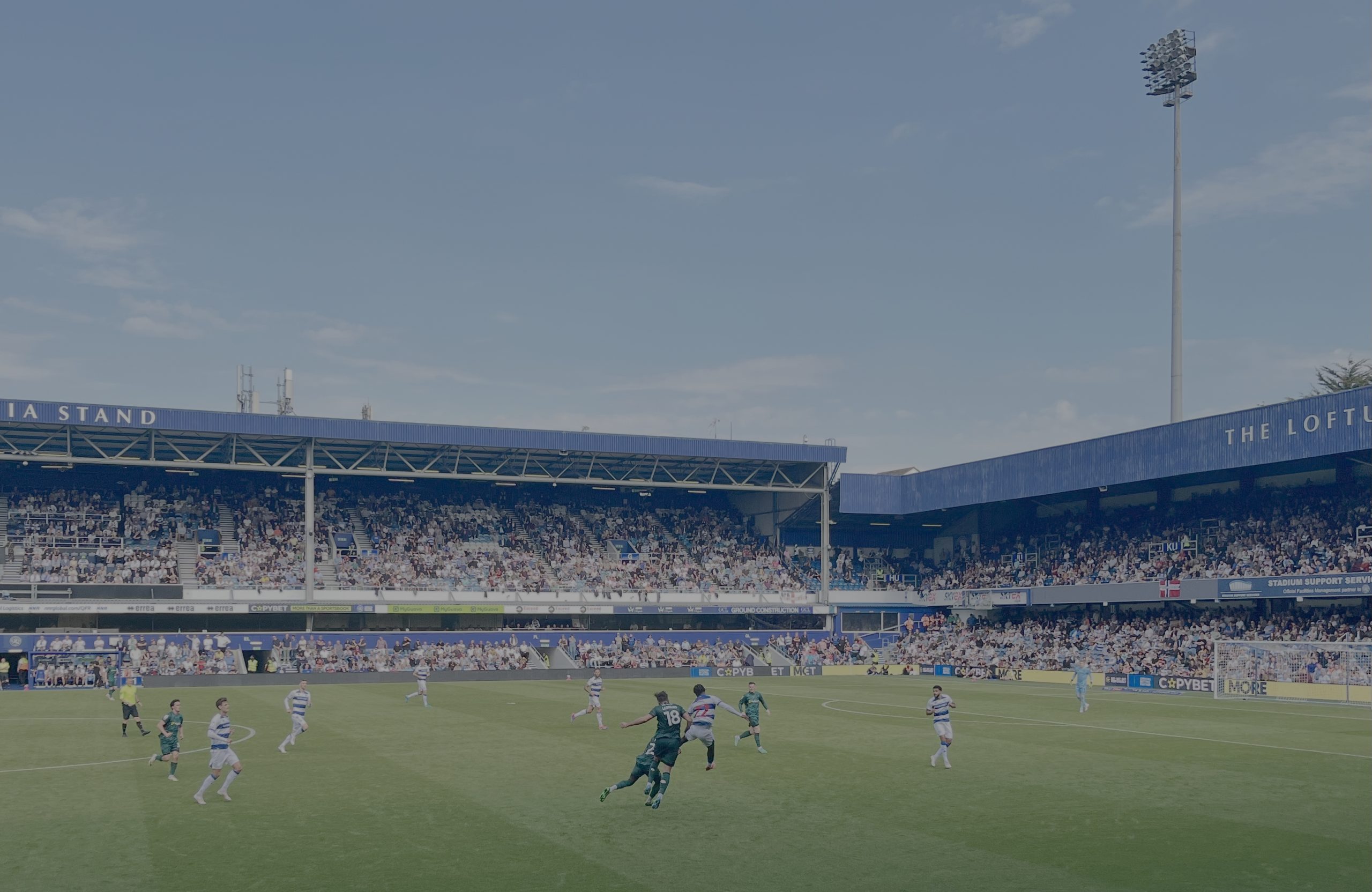
West London is widely known for its affluent neighborhoods—haunts of an old, value-depleted bourgeois class, now in decline, mingling with well-off arrivistes and nouveau-aristocrats from all corners of the world, who arrive there to parade their wealth, trying to catch a whiff of that same old feudal perfume. That’s what Kensington is known for, with its namesake gardens and palace. That’s the kind of “glamour” Chelsea has acquired—at least in the eyes of the rest of the world. And it’s people like these, flaunting their advertised wealth, either worn on their bodies or embodied in them as vehicles, that one sees wandering these neighborhoods.
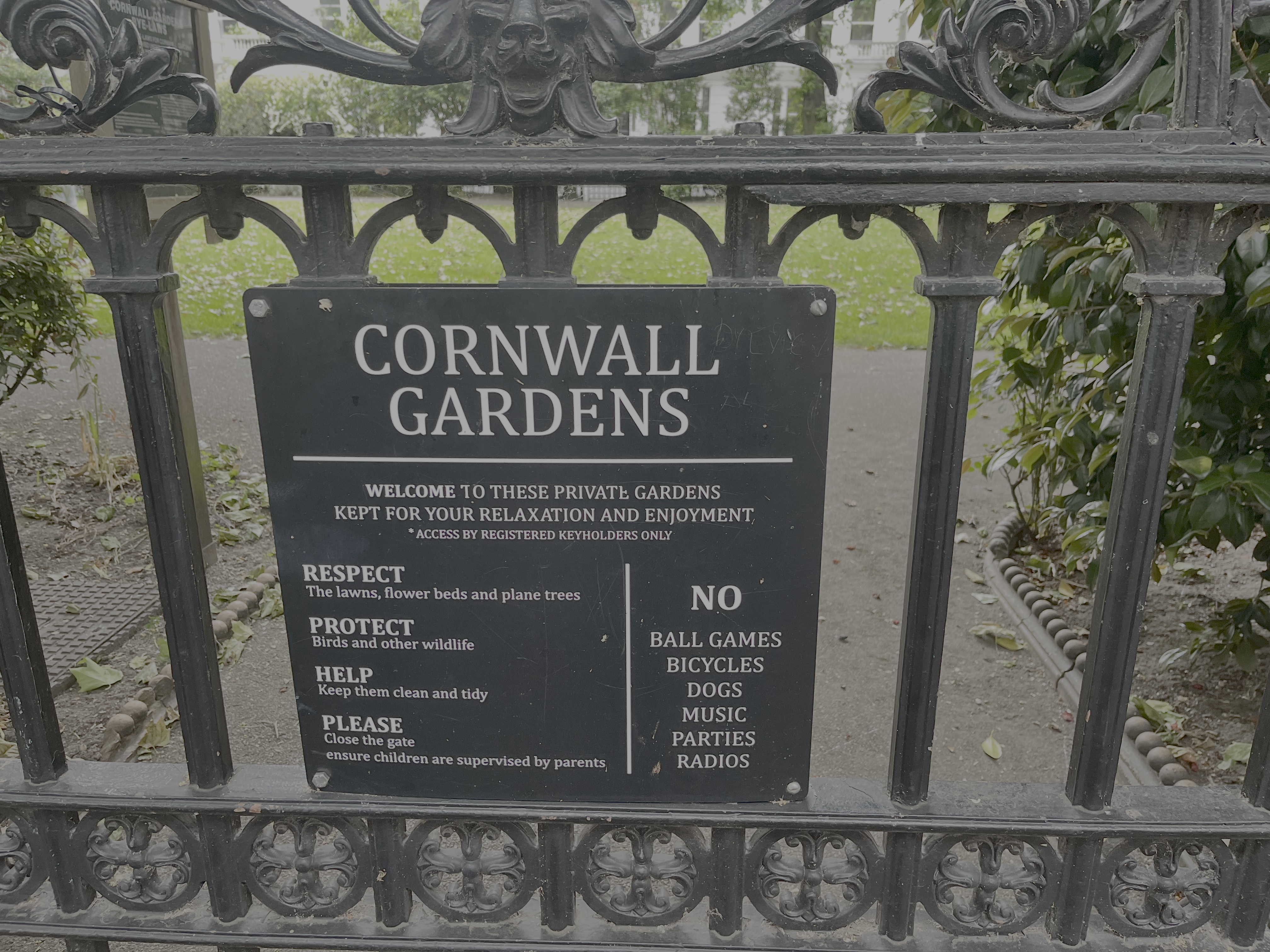
But as you reach Holland Road—linking Earl’s Court, now a deserted place awaiting redevelopment after the demolition of its namesake exhibition centre, with Notting Hill, where tourists flock for the photos—you begin to see another reality. The houses facing the main road are not the same as those tucked further inside, closer to Holland Park. They’re only a few meters apart, but these buildings were not built for the same people.
As part of Britain’s so-called “social policy,” the poor—the plebs, those who can’t afford to buy homes—are given council housing, scattered near the wealthy neighborhoods. Scattered, yes, but not randomly placed. The homes of the poor function as the wall of the rich—not made of concrete, but of people. With their poorly maintained houses, they form a boundary that defines the territory of the privileged.
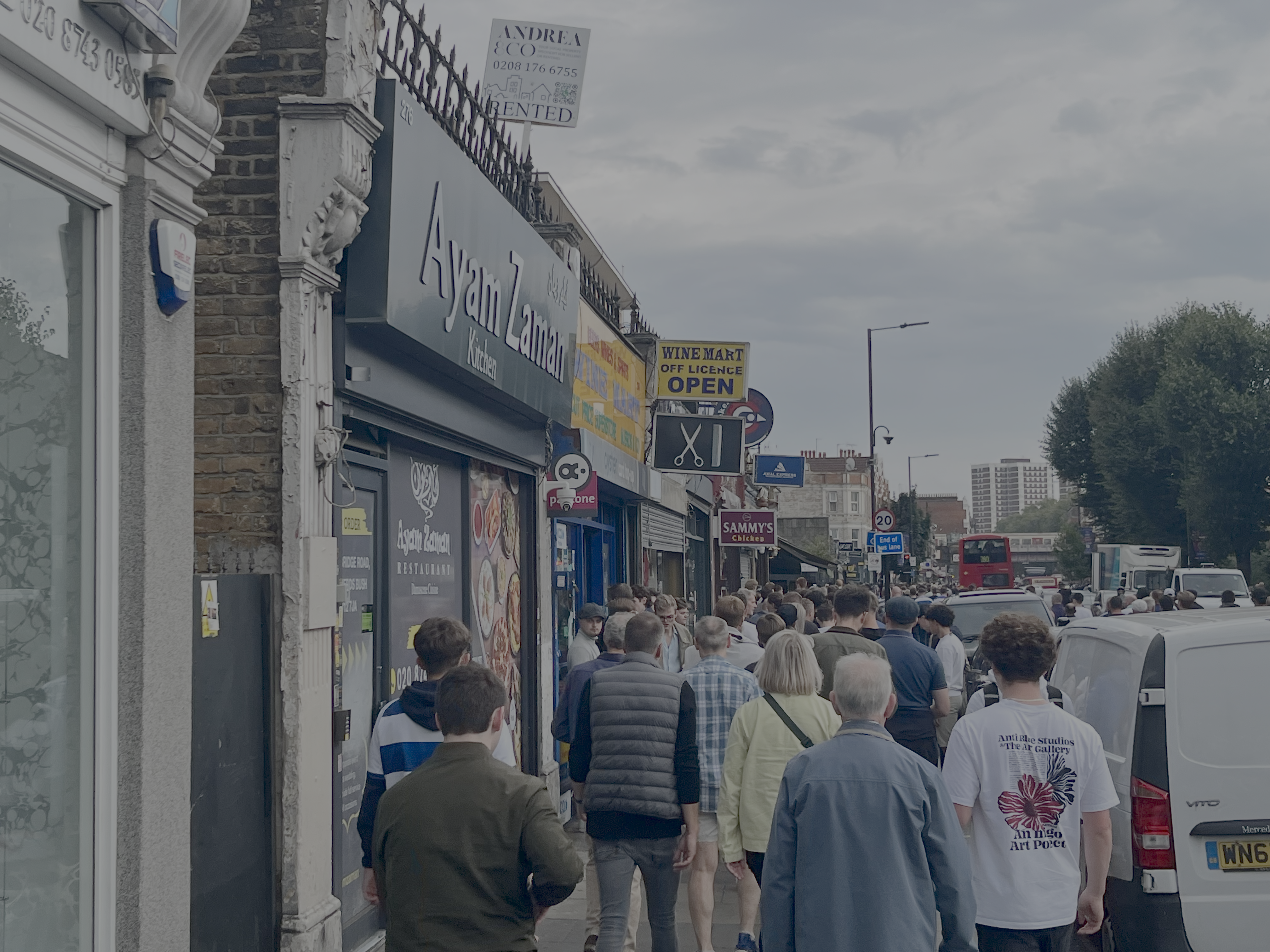
On the western side of the road, the train tracks run—and beyond them lies another reality. Multicultural Shepherd’s Bush isn’t exactly a harmony of peoples; it resembles more the Omonia of Athens. Small, old, poorly built council houses stretch across a wide area radiating social decay, heading westward toward Acton and even further. Between Shepherd’s Bush and Acton lies White City, which bears all these traits—and it is here that you’ll find the historic Loftus Road Stadium, home of Queen’s Park Rangers, better known by the acronym QPR.
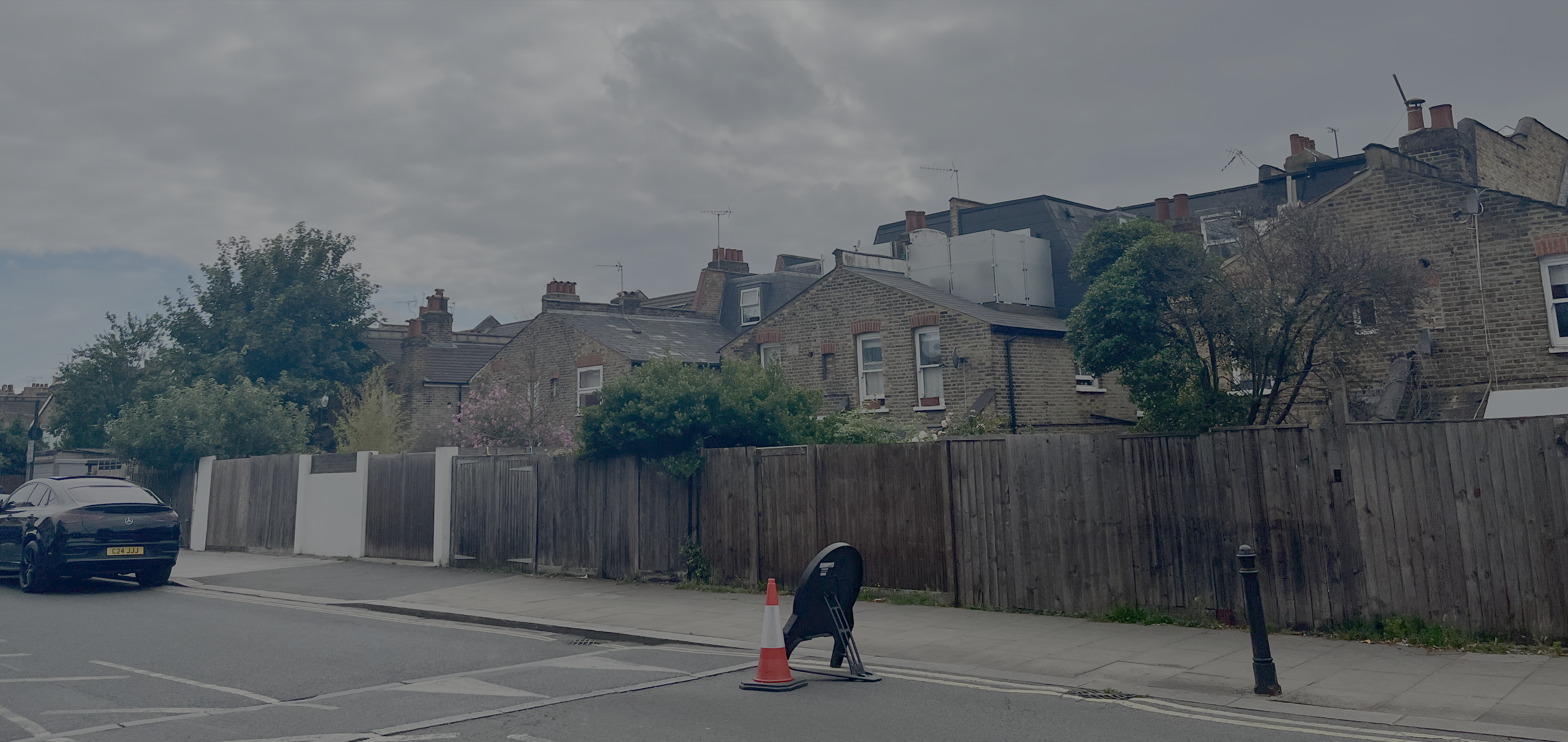
QPR, of course, wasn’t born and raised in this neighborhood—it moved here from a bit further north. The result of a merger between the clubs St Jude’s and Christchurch Rangers, it was founded in 1892 and carries in its name both a church in Kensington, located just south of the gardens and the palace, and a more northerly place, Queen’s Park, north of Notting Hill, from which many of its early players came. In this way, one could say it also bears an aristocratic name—that of Queen Victoria, who was on the throne during those formative years when foot-ball was taking its first major steps on the island.
Starting out as a team from northwest London, playing its early matches in the Park Royal area, QPR was forced to move southward to White City in 1917, when Loftus Road Stadium was built. Since then, even during two brief periods when they didn’t play at that ground, they never left the neighborhood—playing instead at White City Stadium from 1931 to 1933, and again from 1962 to 1963.
The character of the area and the temperament of its fans made QPR a relatively “friendly” club for those living nearby. On the one hand, being the smallest of the big clubs in West London drew in people who simply loved football—walking over from Kensington or Notting Hill. On the other, the arrival of immigrant communities near the stadium gave the club a distinctly multicultural fan base, rooted mostly in the working class—unlike the multicultural aristocracy found in the stands of other London clubs.
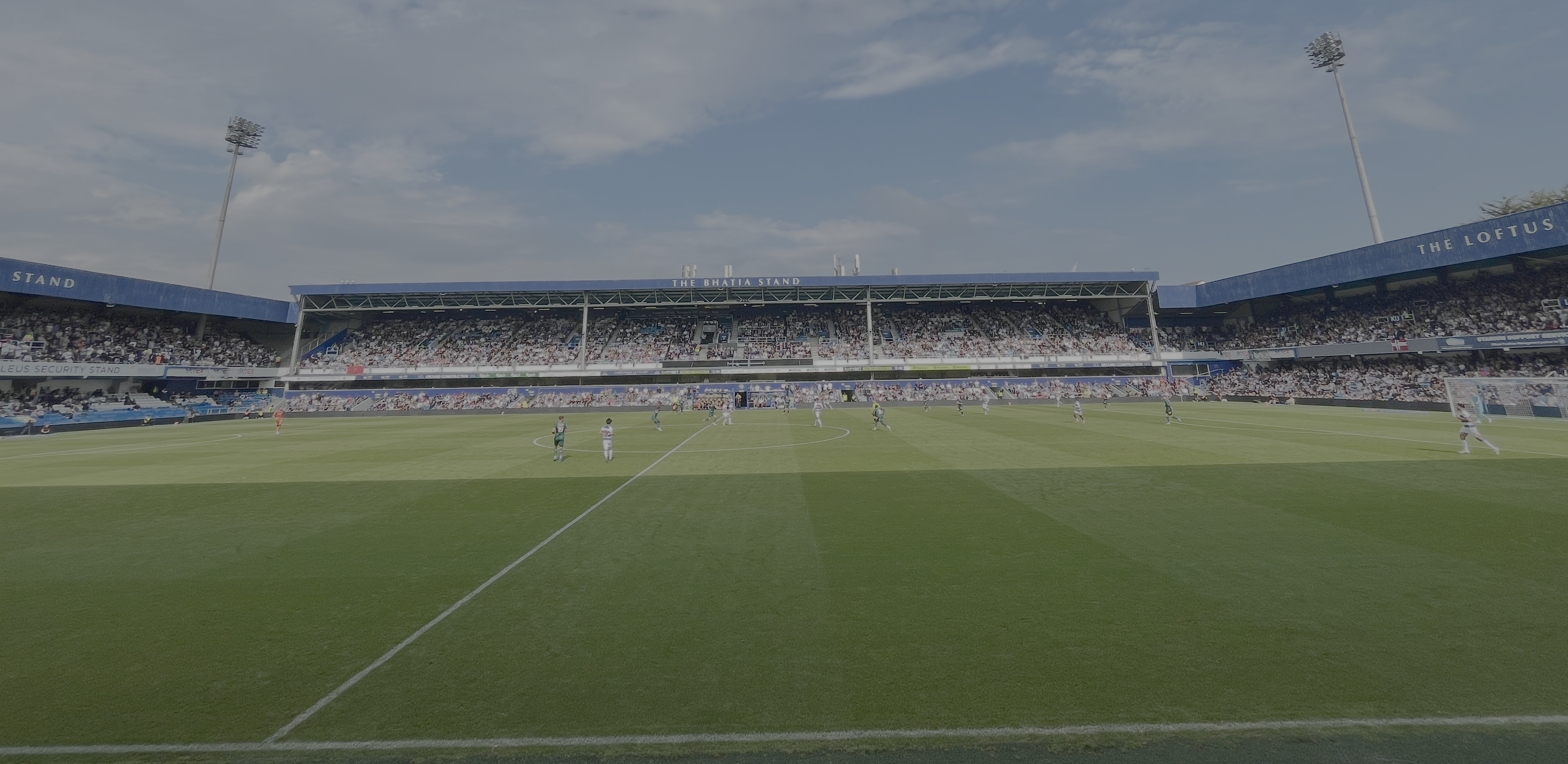
With the exception of a stretch from the early 1980s through to 1995—the years that saw the founding of the Premier League—QPR has not typically been a top-flight club. It mostly competes in the Championship, the second tier under current naming, and in fact, the severe financial troubles it faced in the early 21st century even saw it drop temporarily to the third division. From there, it hasn’t usually pushed for promotion. While it remains consistently in the lower half of the table, it has rarely been seriously threatened with relegation.
Another London club, perhaps even more of an “elevator team,” but one that can most accurately be called a second-tier side—with only a brief spell in the elite—is Millwall. Millwall, as its name suggests, doesn’t come from West London, but from the opposite end—East London, beyond Tower Bridge, where the city’s suburbs are effectively split along the Thames’ north and south banks, as the bridges begin to disappear. Millwall is the southern part of the Isle of Dogs, an area shaped by an old meander of the Thames. The Isle of Dogs was home to the working class employed in the West India, East India, and Millwall docks—the last of which opened in 1802.
Post-war, however, the economic relevance of the docks vanished. Gradually, the area sank into poverty, with its population left in a state of deep deprivation.
Eventually, from the late 20th century onward, the Isle of Dogs became the site of a massive gentrification project—most prominently in the 21st century—with the construction of ultra-modern residential towers and office skyscrapers, creating what is now known as Canary Wharf.
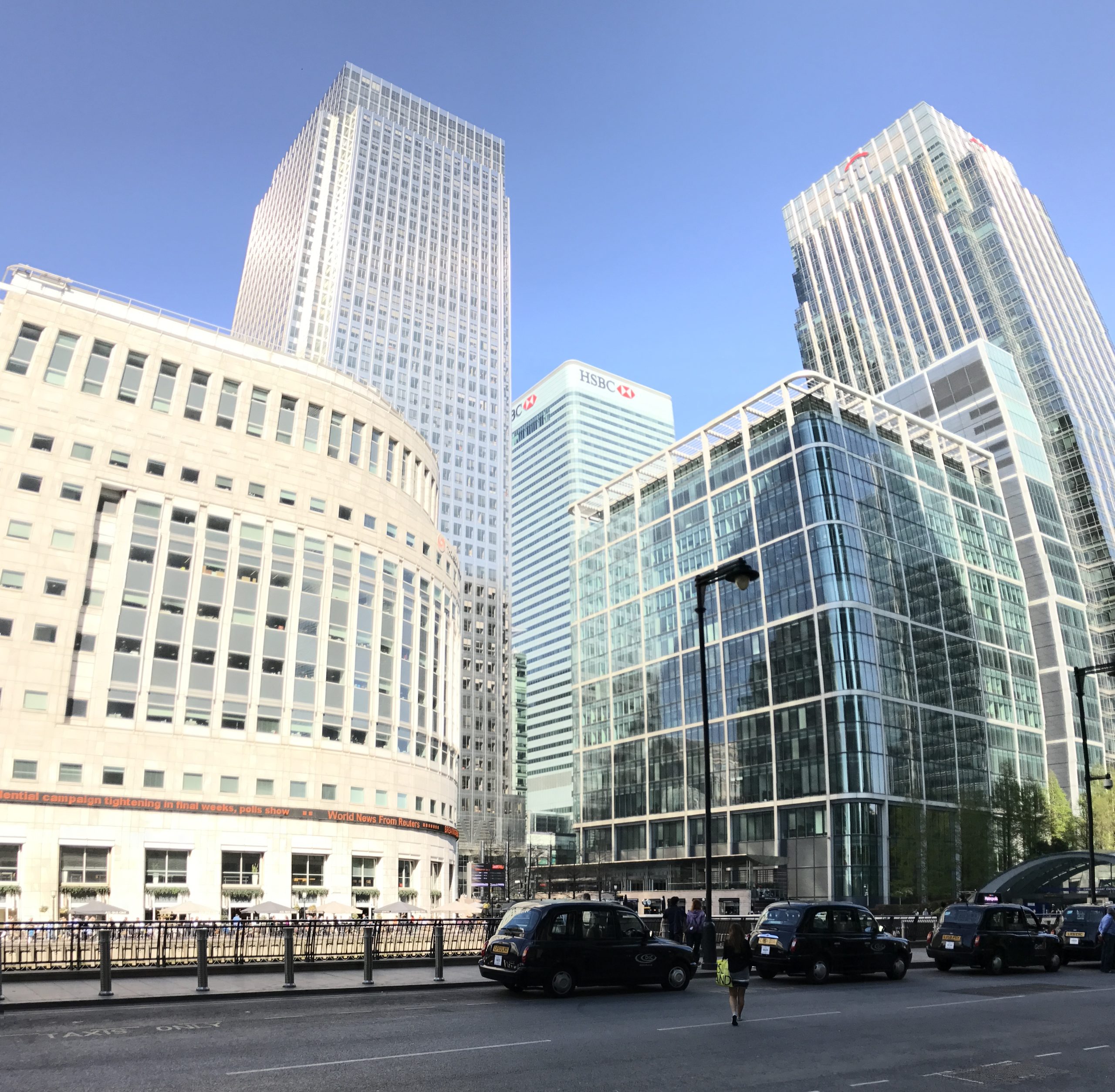
As one might expect, the club founded by those dockers in 1885 no longer bears any real connection to its birthplace. In any case, by 1910, due to limited space on the Isle of Dogs, the club had moved further south, to New Cross, where the legendary “The Den” was built—a stadium that stood until 1993, when it was demolished and replaced with a new ground bearing the same name, which remains the club’s home today.
Millwall, however, is not a “friendly” club. Its supporters, drawn from the working class and the lumpenproletariat, were the very embodiment of the casuals during the turbulent decades of British football. This left them with some memorable, but also some deeply troubling—at the very least—characteristics. On the one hand, they form one of the most passionate fanbases in England, with the lion’s roar echoing through The Den standing as a monument to vocal support culture—alongside the thunderous “Miiilllllll” that pounds through every matchday.
But Millwall’s fanbase is also a focal point for the gathering and organizing of skinheads—aggressive, militant nationalists, engaged in anti-immigrant, xenophobic, and more broadly fear-driven actions against any social group that does not fall within the traditional “privileged” categories.
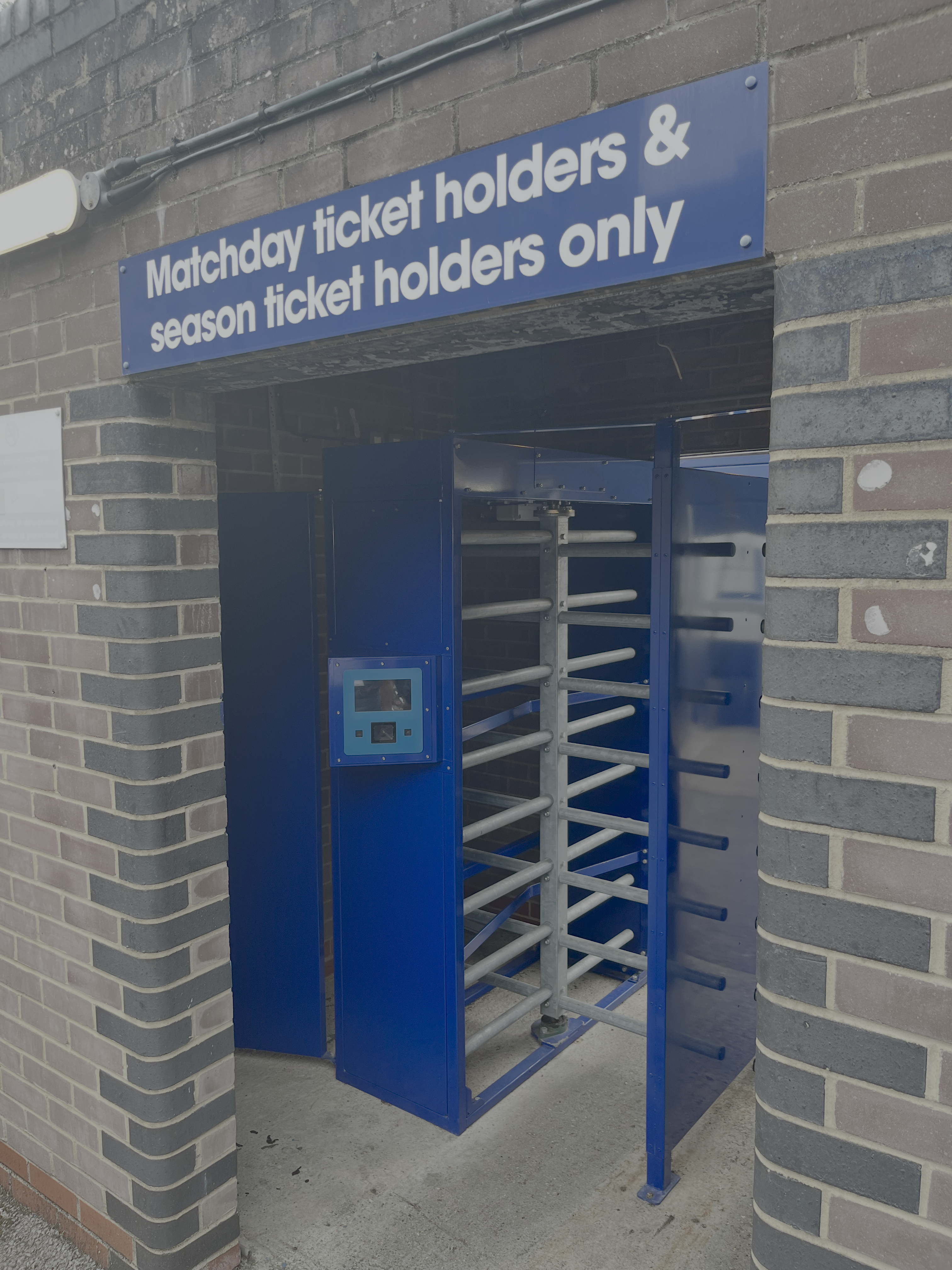
On September 21st, QPR hosted Millwall in yet another classic London derby in the Championship, at Loftus Road. After the clashes that had marred last season’s fixture, this year the police had cordoned off half of White City, on the stadium’s western side, to prevent the visiting supporters from coming into contact with the local, and typically diverse, population. In the end, no incidents occurred this time around—or at least nothing that drew the attention of those who came to the stadium and left again.

But the match—at least in the stands—carried the scent of the finest traditions of English football. Chants echoed back and forth between the two ends, with the home crowd roaring “Come on you R’s,” and the visitors responding with the thunderous “Millllllll,” a guttural drone that sounds like a sustained note drawn straight from the throats of hooligans.
The two clubs, separated by the vast and expensive sprawl of Europe’s priciest capital, haven’t developed a historic rivalry. Charlton are down in League One; Arsenal left the neighborhood of Millwall as early as 1913; West Ham are the traditional rivals in East London; and Chelsea and Fulham—the two other West London clubs, both playing in Fulham just south of White City—are in different divisions.
Still, this cohabitation in the Championship is slowly shaping a new tradition in this derby—one that, for now, lives in chants and terrace voices, but in time may take on more “classic” features.
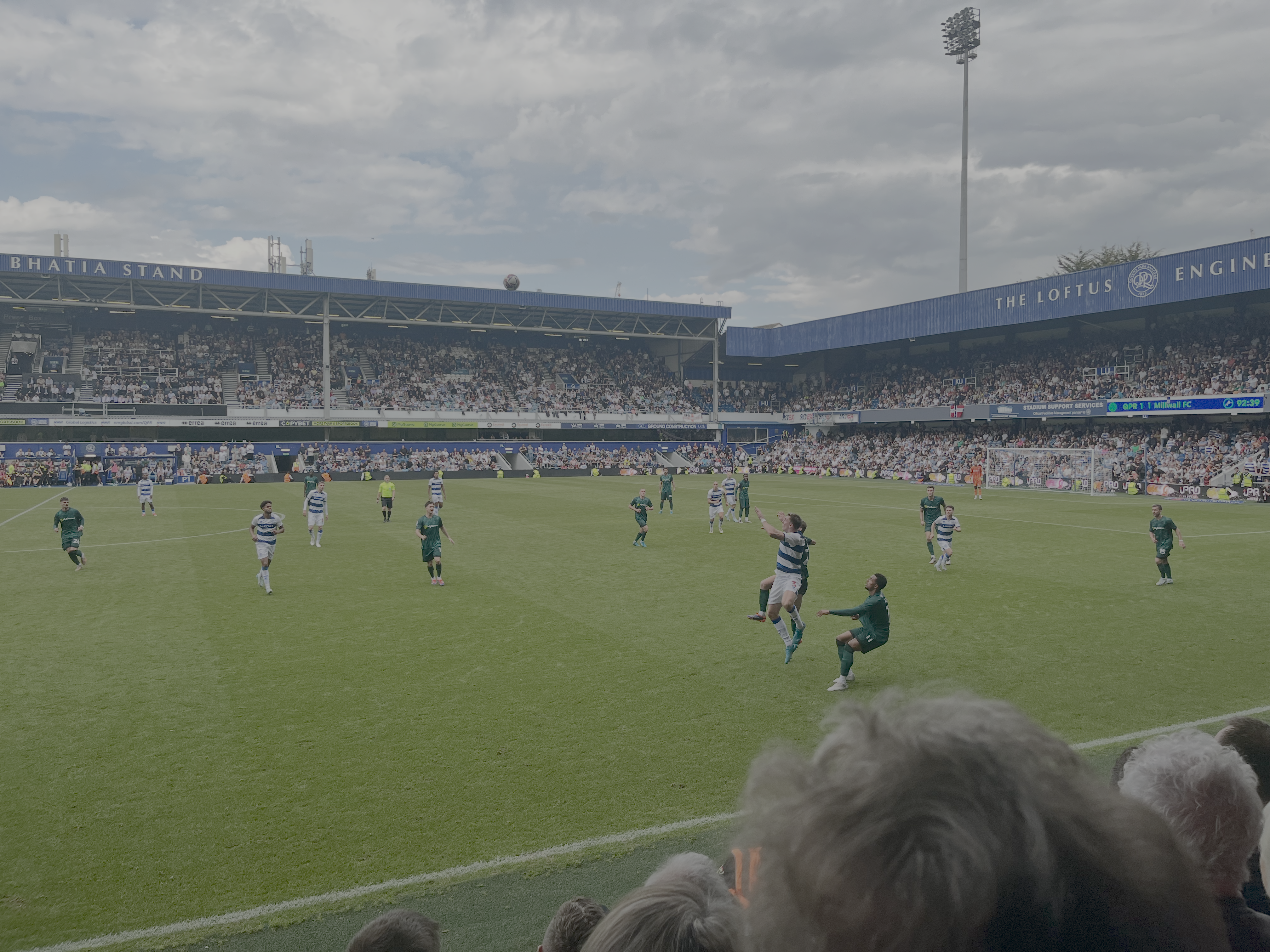
The match ended in a 1–1 draw, with Millwall taking the lead and QPR equalising before halftime. No one had much reason to be too disappointed, and no one had much to celebrate either—just a quiet sense of satisfaction all around, for not having lost to the great rival within the city walls.
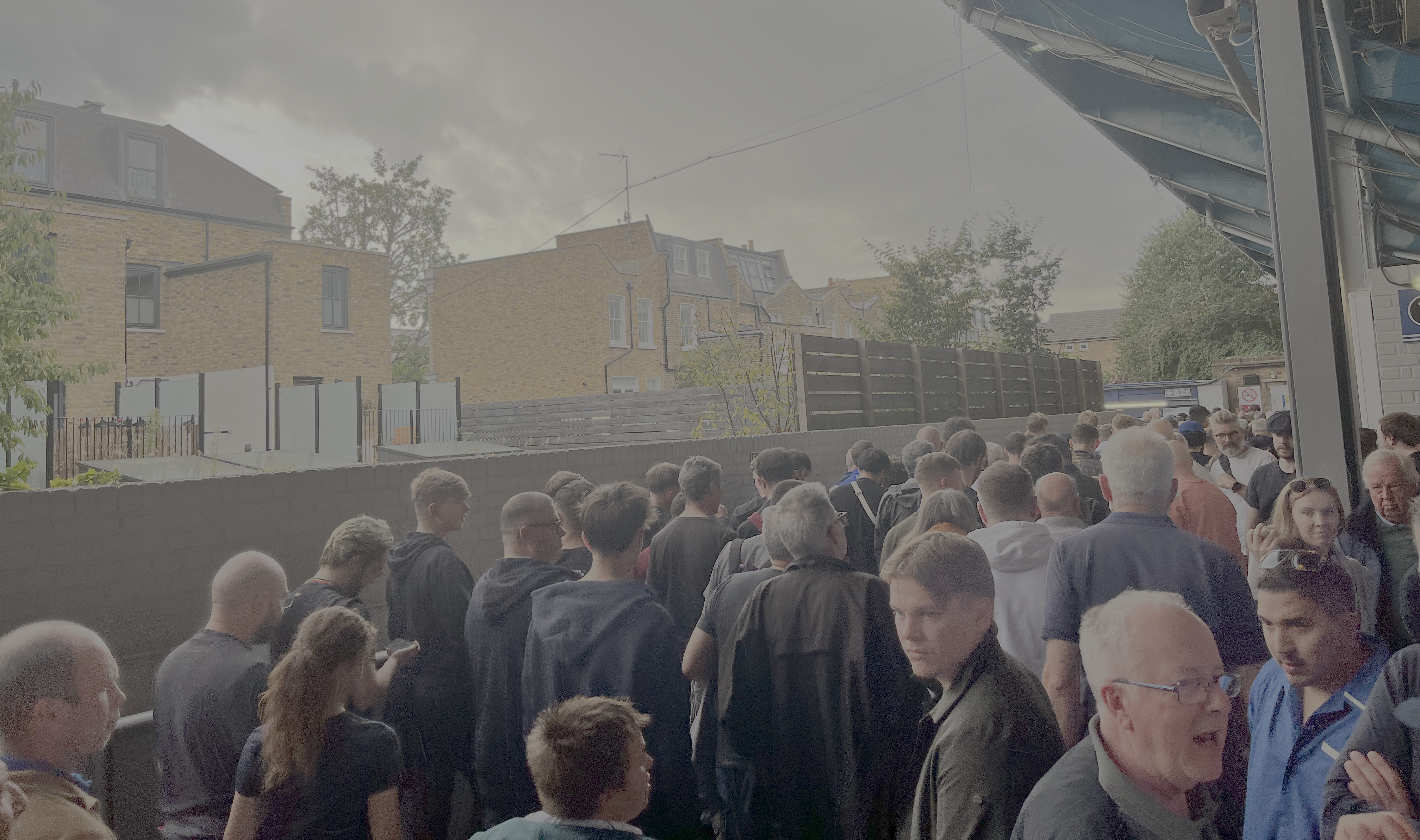
The autumn sun over West London was already making its descent, having passed its zenith just around the start of the Saturday match—and under its orange hues, thousands of blue-and-white shirts, some with hats, some without, most with a beer or a pie in hand, spilled out into the streets around Loftus Road for the customary continuation of the football weekend. The rest of the Championship fixtures took over the pubs, as Premier League matches are barred from being shown on TV during that sacred 3 p.m. Saturday slot.
