
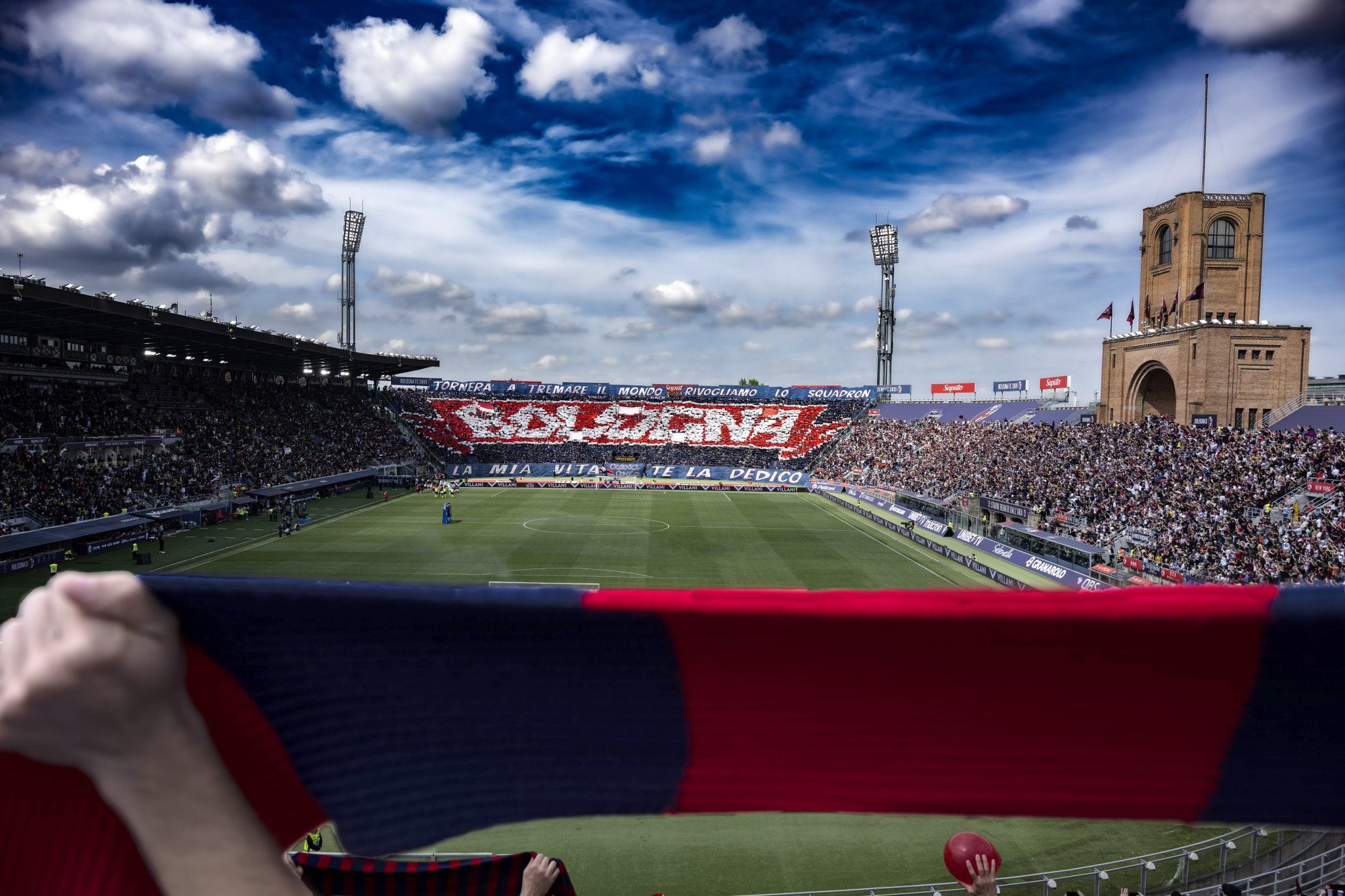
At a historic crossroads of the Italian peninsula—where roads once built to carry armies became the very paths along which human knowledge traveled, giving rise to the first university—the dawn of the 20th century, the so-called Novecento, marked a moment of great transformation. Much had already shifted in the closing decades of the previous century: Italian unification had formed a state entity that seemed destined by the hand of history itself. Yet in those early years of the last century of the third millennium—if numbers arbitrarily chosen to measure time hold any meaning—Bologna was about to change, both within and beyond its borders.
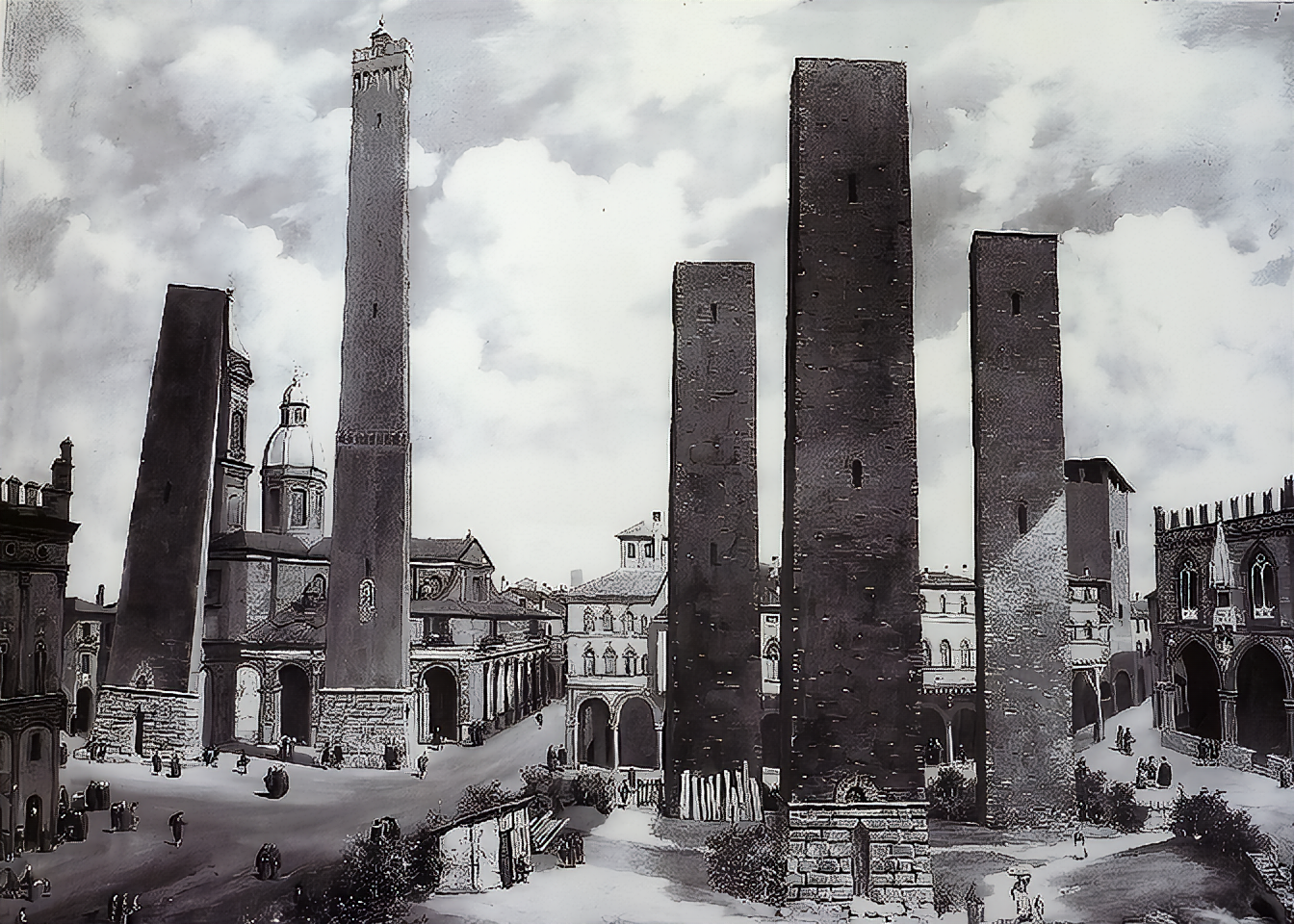
he city of dozens of towers—whose skyline, in old engravings, evokes that of American metropolises—was searching for a path toward modernization. The traces of its grand medieval and Renaissance identity were no longer enough to keep it at the heart of a new, industrialized world. And yet Bologna was such a center—and it needed to remain one.
So the canals that had sustained the city for centuries, powering its mills and textile industry; the medieval alleyways that had given life to a web of education centered around the Alma Mater Studiorum, drawing people from every corner—at least—of the European continent, now had to be reshaped.
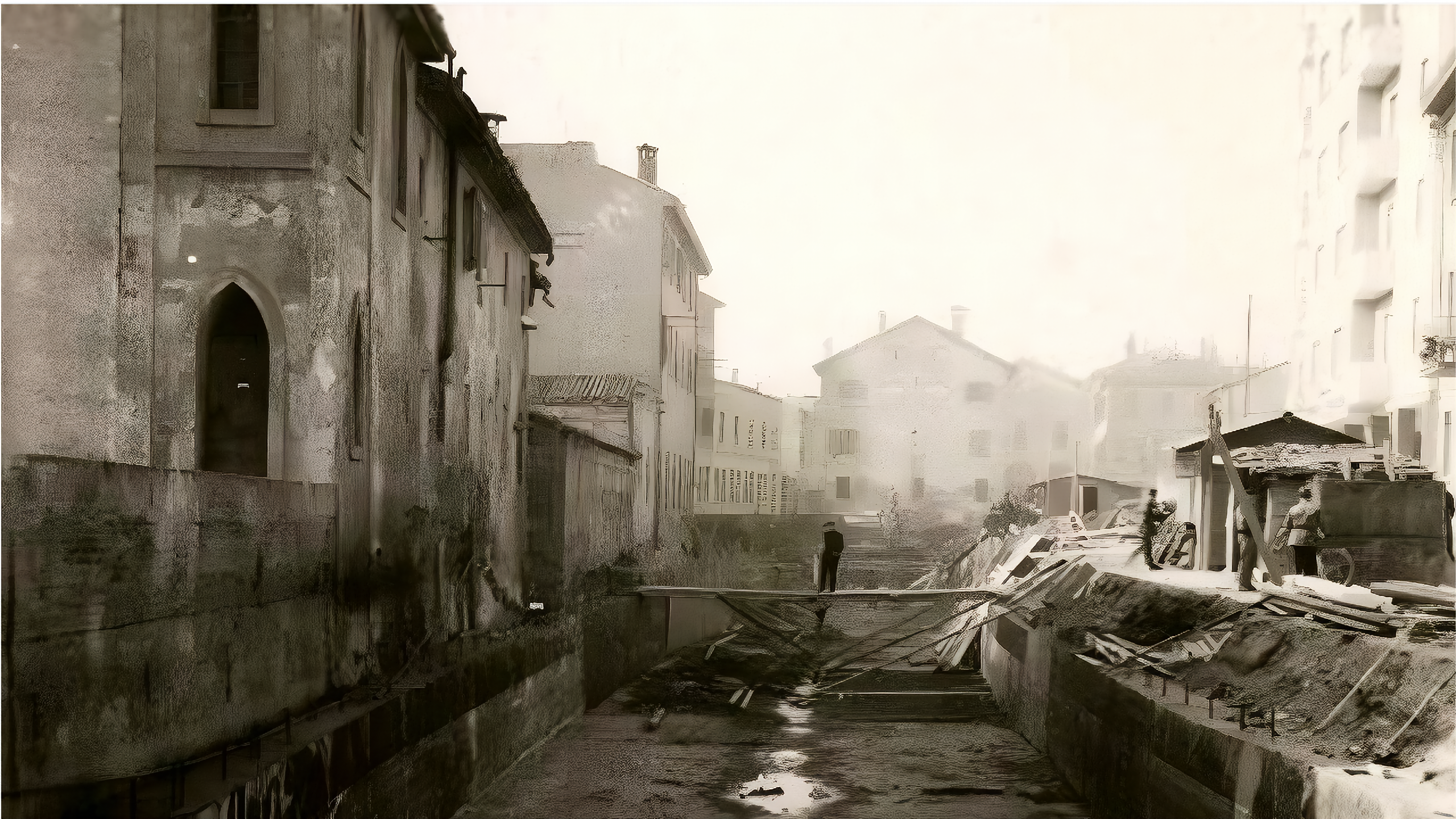
But along with the city’s changing form, the habits of those living within it were also changing. In Bologna, it had never been a problem for ideas and customs from elsewhere to arrive and take root—the city’s outward-facing character, which paradoxically “grows inward” through its endless portici, has always been, and remains, its one eternal identity. One of the habits of those years was the socialization of the sporting world, marked by the rise and spread of a game that didn’t become dominant because it met some objective standard of importance, but because it was the one that transformed sport from a matter of physical exercise into a social activity and phenomenon.
Bologna had hosted a foreign population since the 11th century, when the first schools opened in the city. Over the course of nearly a thousand years, this connection with newcomers—citizens who arrived from afar and became part of the city’s social fabric—had become inseparable from Bologna’s identity. It was inevitable that they would also bring with them the seed of a new habit, one that would give rise to a new institution in the local community: a collective of people who would write their own history by writing the city’s history in parallel.
The groundwork for such a development was already in place. A club known as Circolo Turistico Bolognese brought all kinds of “foreign” pastimes into the city—pastimes that appealed above all to the educated and financially secure newcomers. First came cycling, the great invention of the 19th century, followed by automobiles and races involving both. The Circolo did not have its own premises. As was customary at the time, these clubs operated from public venues—restaurants, bars, beer halls. One such beer hall, named Birreria (or Birraria in Bolognese dialect) Ronzani, stood at number 2 via Orefici. It was there at least until October 3rd, 1909—because that date would inscribe it in many history books.
In the years that followed, between 1910 and 1912, the entire urban layout of the area would change. Bologna was reshaped to meet the needs of a new era, replacing its medieval towers with modern palazzi, keeping only those buildings deemed essential to preserving its historical coherence.
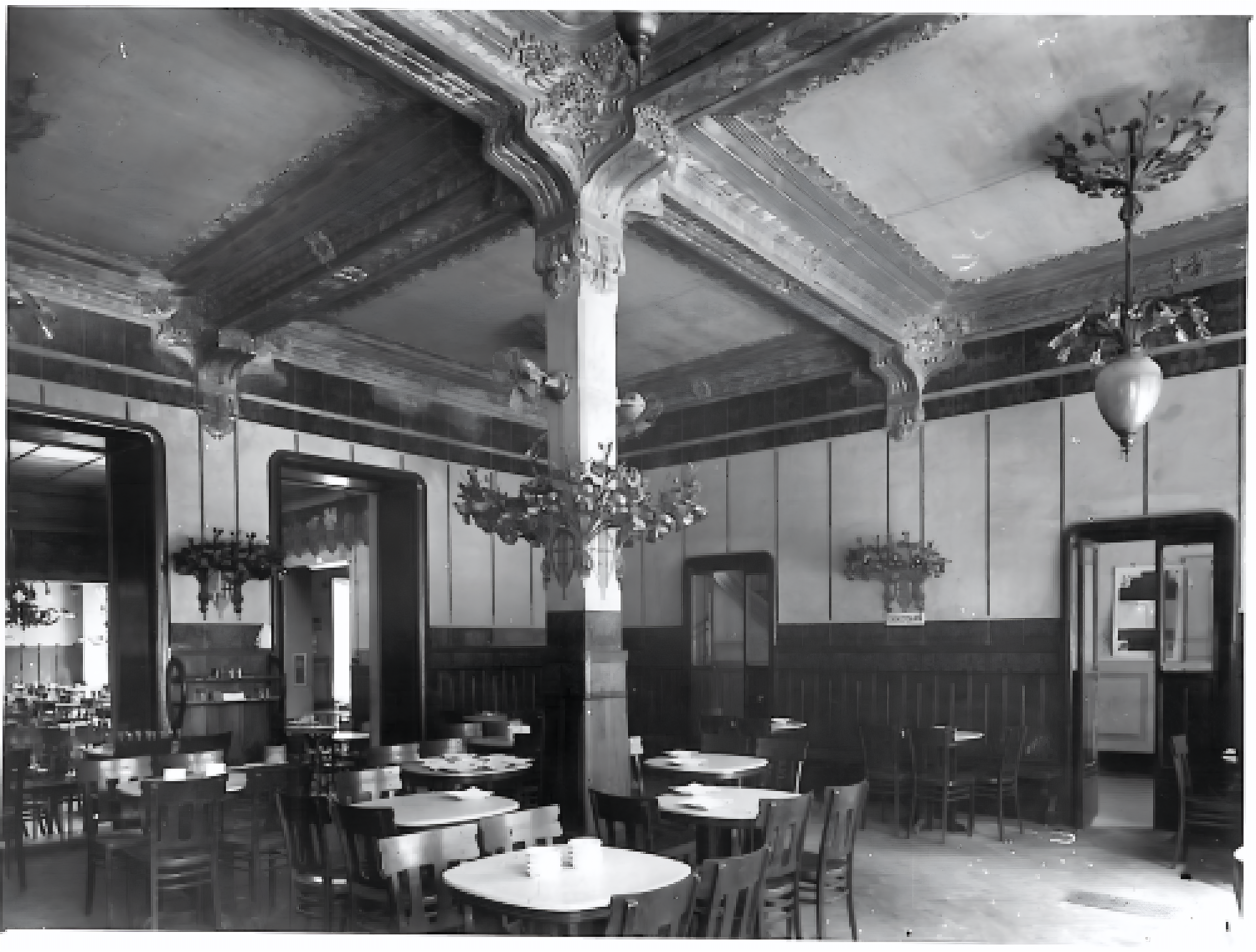
It seems that even then, places like this were frequented by those who loved football. Nowadays, people go there to share their bond with a club among others—to argue, to tease, sometimes even to cry, or simply to watch other clubs on a television screen. Today, those who love football and move to a new place find a new home and a new connection—they “remarry” another team that makes room in their heart alongside the one they left behind. Back then, however, those who loved football—who had learned the game in a college, an English club, or one of Europe’s early giants—didn’t find a new club to “remarry.” Instead, they had to give birth to what would become the link for thousands of others in the future.
One such newcomer was Louis Rauch. Born in Fribourg, Switzerland, Rauch arrived in Bologna as a dentist, to work with the renowned professor of dentistry Arturo Beretta. Having played football for his hometown team, Fribourg FC—founded in 1900—he found no football club in the city that had become his new home, a city that, especially by the standards of the time, was already large, counting between 150,000 and 200,000 inhabitants.
A foreigner, Rauch—along with other foreigners and locals who had encountered futbol abroad—was looking to plant his connection to the sport in their shared home. On the evening of Sunday, October 3rd, 1909, these individuals gathered at their usual haunt, on the first floor of the Ronzani beer hall, to formalize that founding. The Monday edition of the local newspaper Il Resto del Carlino listed the names of the club’s founders, who also formed its first board—the Bologna Football Club. The city’s name was followed by the English description “Football Club,” not only due to the multinational makeup of its founding group (after all, English did not yet enjoy the global status it holds today), but mainly because football—calcio, as it would later be called—had only one word to describe it at the time: football. In fact, the two parts of the name were often written separately, so in many early documents the club appears as Bologna FBC.
Alongside Rauch, Enrico Penaglia took the role of vice-president, Sergio Lampronti became secretary, Leone Vincenzi treasurer, and one of the club’s major early figures, Emilio Arnstein, joined as well—eventually assuming leadership of the club when Rauch could no longer handle the growing demands of the presidency due to professional obligations. The first captain of the team was Arrigo Gradi, born in Bologna but educated at the Schönberg Institute of Rossbach, in the canton of St. Gallen in northeastern Switzerland. The significance of that college was enormous for the newly formed club: when it came time to decide on team colors and sew the first ten kits, Gradi brought two from his school years in Switzerland—featuring red and blue. That was the origin of the rossoblù jersey, with its stripes eventually appearing alongside the cross of St. George, forming what would become the club’s crest.
Among the team’s first players was the young Antonio Bernabéu, brother of Santiago. Unlike his famous sibling, Antonio had no ambitions to take a leading role in the sport. During his time at the Collegio di Spagna in Bologna—one of the city’s most mysterious and enduring institutions—he needed an outlet, a release from the mourning of his mother’s death. Football gave him that.
In the same period, other athletic associations were also founded in the city, some of which formed football teams. Bologna FC’s first task was to establish dominance within the city walls—to become Bologna’s representative in the Italian football system, which was just beginning to take shape. Virtus and Sempre Avanti were the two clubs that managed to play against Bologna, but Bologna—carrying with it all the technical knowledge from countries where football was more developed, like Britain and the Austro-Hungarian Empire—was already poised to dominate.
However, in contrast to the prevailing ideas in the more advanced footballing nations, the otherwise modern-minded Rauch held a purist view regarding the amateur nature of the club. This stance clashed with that of Guido Nanni, a Bolognese by birth but of Swiss descent, who would become the club’s flagbearer for professionalism. Nanni’s realism quickly led the club into the ranks of those who became key pillars of Italy’s footballing architecture—and, naturally, to undisputed dominance in the region of Emilia-Romagna.

The first starting eleven in Bologna FC’s history took the pitch on March 20th, 1910. In the lineup was the Hungarian goalkeeper Koch, along with Chiara, Pessarelli, Bragaglia, Della Valle, Nanni, Donati, Rauch, Bernabéu, Mezzano, and captain Gradi. It’s known that they played in the 2–3–5 formation, the system of the era, but the goalscorers have not been recorded. There must have been quite a few, however, as that same day Bologna FC defeated Sempre Avanti 10–0 and Virtus Bologna 9–1 in the Campionato Emiliano—a feat that allowed the club to establish itself as the city’s leading football representative.
The club’s first ground was located to the east of the city, just outside Porta San Felice, on the fields of Prati di Caprara. Around that same time, changes to the city’s urban planning forced the club to change headquarters—from the Birreria Ronzani to Bar Libertas, situated under a portico at Ugo Bassi 13, connecting the main street to Via Monte Grappa. It was there that the club underwent its major transformation in 1911, under the leadership of Emilio Arnstein.
Under the influence of football league structures in other countries, the Italian championship began to impose requirements on clubs seeking entry to the top division. These were not solely athletic criteria—what mattered most at the time was to ensure the uninterrupted running of the competition. Clubs were required to have: a treasury with sufficient funds to host visiting teams, a well-maintained ground with proper gates and clear boundaries, and an appointed technical staff with clearly defined roles. Bologna acquired all of these under Arnstein’s leadership and with the diplomatic skill of vice-president Domenico Gori within the circles of the Federation.
The most difficult and most essential step was securing a suitable stadium. The fields at Prati di Caprara could no longer meet the required standards. So, from 1911 onward, Bologna moved to the Campo della Cesoia, closer to Porta San Donato, on a plot of land whose exact location remains uncertain to this day (two possible sites differ by only a few dozen meters).
Bologna began its official league life with painful defeats in the Veneto–Emilia championship—but the club steadily grew. Leadership changed frequently, but so too did the club’s stature, advancing rapidly at every level. Within three years, the Campo della Cesoia had become a social hub for the city. A local entrepreneur, Rodolfo Minelli, took over as president and gifted the team a brand-new ground, featuring a covered stand for officials and sloped embankments all around for the general public. Located south of the city, near the Colli Bolognesi—the aristocratic district—it was called Sterlino. It was inaugurated on November 30th, 1913, in a ceremony attended by the city’s entire distinguished elite: politicians, intellectuals, entrepreneurs, and other leading figures.

With Sterlino as its home ground, Bologna took steady steps toward the future, gradually reaching a status historically unmatched. In an era approaching Europe’s first great catastrophe—World War I, and with it the true beginning of the 20th century—the Socialists won the mayoralty in the city, which had always been guided by more progressive ideas than much of the rest of Italy. The 1914–15 championship, however, would be the last to take place before the war.
The club’s golden age arrived in the interwar period. It was during those years that Bologna grew into a giant, dominated Italian football—and made its mark internationally as well—leaving a lasting imprint on football history. In 1919, it made its first transfer, paying Modena for the rights to the registration of Bernardo Perin, a baker whose future the club secured by setting him up with a bakery in Piazza Malpighi. But the real turning point came with the appointment of its first great manager.
Of the two great footballing schools of the era—the British and the Austro-Hungarian—Bologna had far closer ties to the latter. And from that tradition, it chose its architect of transformation. Hermann Felsner was born in Vienna in 1889. A child of café-football culture, he came out of the same environment that birthed Austria’s early powerhouse clubs in the early 20th century. Upon arriving in Italy, he implemented structure, discipline, a tactical system, and a long-term vision, transforming Bologna into a top-tier side. In 1921, they lost the national championship final to Pro Vercelli 2–1—in the 128th minute—prompting Bologna to withdraw from the federation. But rather than focusing solely on domestic competition, Felsner set his sights on elevating the club to the level of the great teams beyond Italy’s borders.
The first team to test the strength of Felsner’s Bologna was Real Madrid, who lost 3–0 at Sterlino on December 26th, 1920. Austrian sides still seemed to have the edge, with Rapid Vienna defeating Bologna 4–1, while the Hungarians of Budapesti Torna Club were overcome only 2–0. But Felsner had a major weapon on the pitch as well: Angelo Schiavio. He began playing for Bologna in 1922 and would later become a key figure in Italy’s first World Cup-winning team, in 1934. Schiavio remains Bologna’s all-time top scorer with 251 goals, having made 364 appearances for the club. Bologna won its first scudetto in 1925 and a second in 1929—both under the leadership of Felsner.

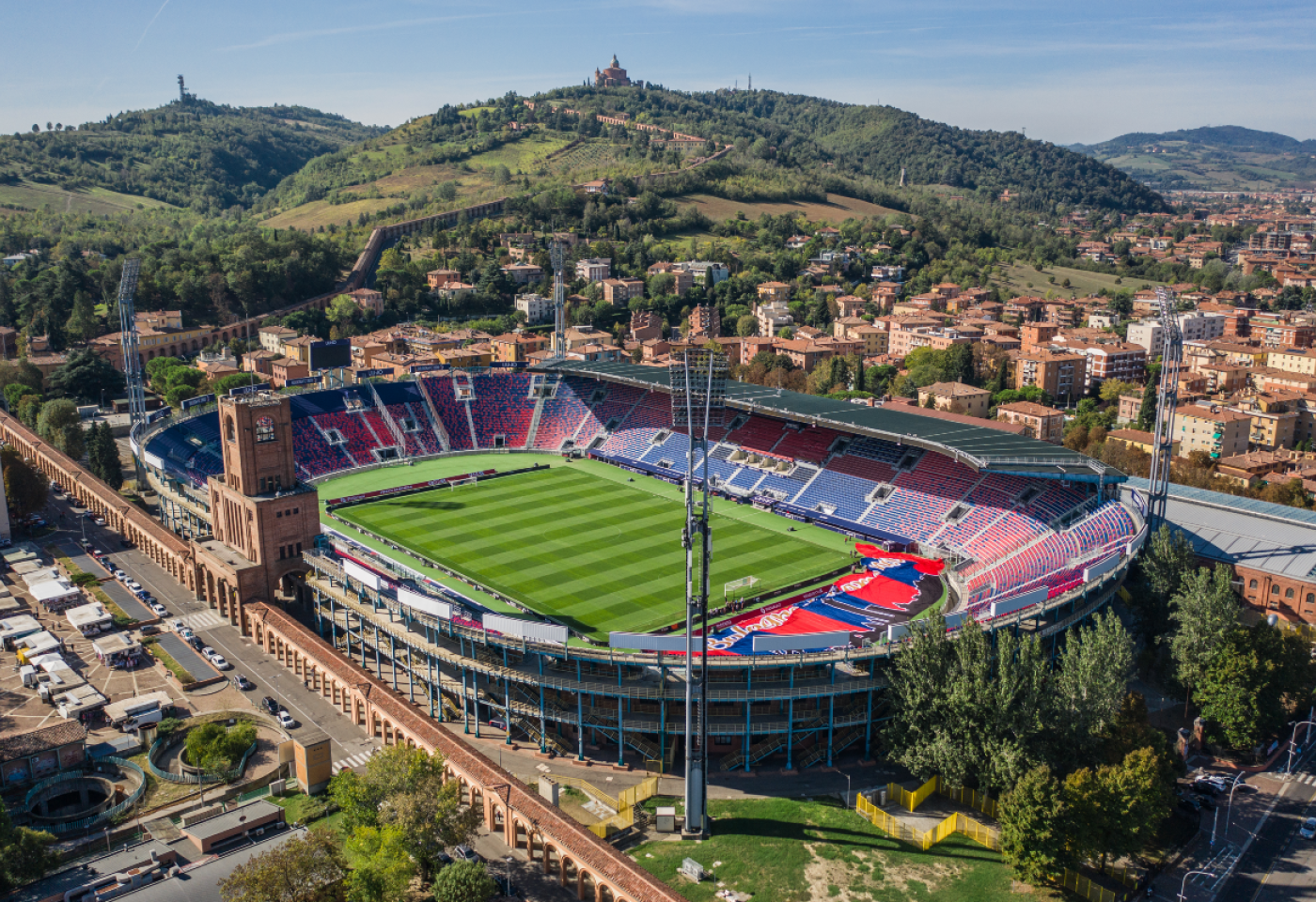
In 1926, Bologna FC moved to the Stadio Littoriale—a colossal construction proudly touted by Mussolini as the largest stadium in Europe—located to the west of the city, near the hill of San Luca. This stadium, with its iconic portico and the Tower of the Marathon, remains to this day the club’s nearly century-old home, though its name has, of course, since changed.
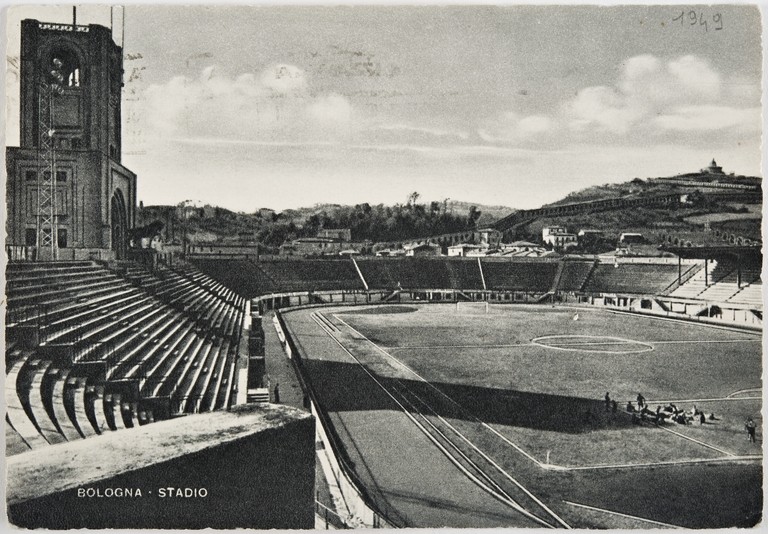
The inauguration day of the Littoriale, however, was not without bloodshed. Mussolini, returning to the city on horseback via Via Indipendenza, was on his way to Piazza Maggiore, where a gathered crowd awaited to hail him. Bologna’s middle classes—who would later become some of the strongest supporters of progressive ideas—had, at that time, been swept up by the populist turn of the former socialist Mussolini.
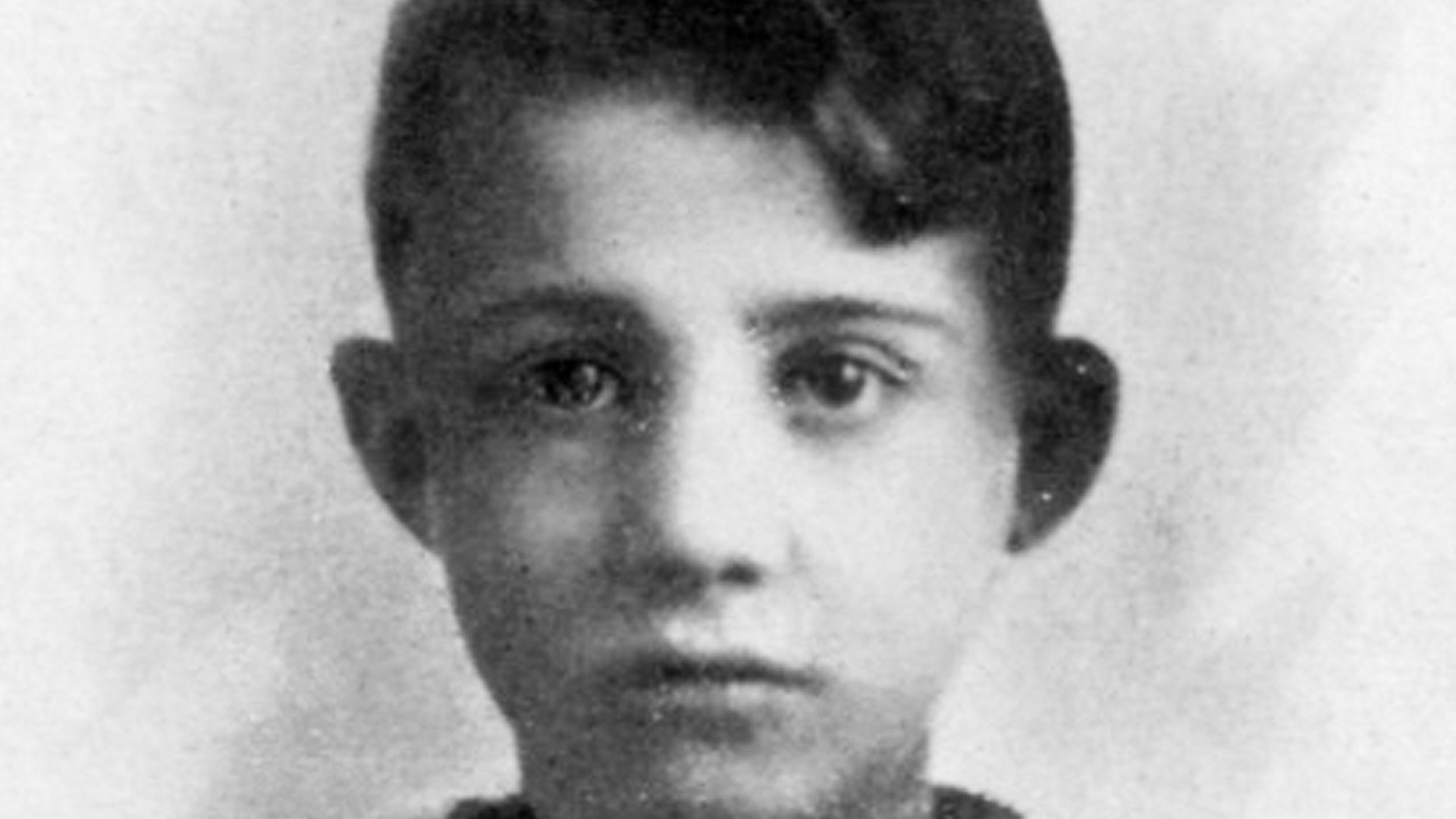
Among the crowd was the 15-year-old son of a printer, Anteo Zamboni, who is said to have attempted to assassinate the Duce with a pistol he carried. Whether or not Anteo was truly the one who pulled the trigger, the head of the local police, Carlo Alberto Pasolini—father of Pier Paolo—ordered the Blackshirts to lynch the teenage assailant on the spot, resulting in his death.
Felsner left in 1931 to continue his career with a number of other Italian clubs, but the Bologna he had built continued to grow—both domestically and internationally. In 1932 and 1934, the club won the Central European Cup, known as the Mitropa Cup, and in 1935, one of the most legendary—and tragic—figures in the history of world football arrived on the team’s bench.
The Hungarian Árpád Weisz had been a member of Hungary’s Olympic team that travelled to Paris in 1924, though he wasn’t able to play due to injury. His rising profile brought him to Italy, where he played one season for Alessandria and another for Inter—then known as Ambrosiana—before becoming the club’s coach the following year. After Ambrosiana, he went on to manage Bari and then Novara, before finally arriving in Bologna in 1935.
Weisz built the team that made the world tremble—lo squadrone che tremare il mondo fa. He won back-to-back league titles in 1936 and 1937. On June 7, 1937, Weisz’s Bologna captured a historic title. As the best team in Italy, they competed in the Expo International Tournament in Paris—a special cup staged during the International Exposition—facing the best clubs from Central Europe and Chelsea from England.
Until then, English clubs had rarely deigned to face continental European teams, firmly convinced of their own superiority. Bologna was invited to break that illusion—and did so emphatically. Facing Chelsea in the final, Bologna triumphed 4–1, bringing the only trophy of that competition back to Emilia-Romagna. That victory gave Weisz’s Bologna an aura of global supremacy.

At the same time, however, under the growing influence of German Nazi ideology, the persecution of Jews had begun in Italy. As a result, Árpád Weisz was forced to flee to the Netherlands in 1938, where he took charge of the club Dordrecht. Sadly, from there he was arrested by the SS, deported to Auschwitz-Birkenau, and died there on January 31st, 1944—never living to see the liberation.

In the post-war years, the figure who came to dominate Bologna was the communist mayor Giuseppe Dozza, who held office from the city’s liberation on April 21st, 1945, for over two decades—until April 2nd, 1966—leading a profound transformation of the city. During this time, Bologna became an industrial hub of innovation, with numerous factories and new technologies emerging in its outskirts.
This development brought a wave of new settlers to the city—not the foreign intellectuals of previous generations, but internal migrants from Italy’s poorer south. These newcomers gradually became part of the city’s fabric, settling in its growing suburban areas.
At the same time, the University entered a new era of social prominence, with its students once again—after centuries—setting the tone of political confrontation. Bologna became red not only in the color of its buildings, but also in the ideological banner waved by its people.

In red-and-blue Bologna, however, another towering figure prevailed: Renato Dall’Ara, an entrepreneur from Reggio Emilia who served as club president for more than thirty years. He took over the post in the interwar period, in 1934, and held it until his death on June 4th, 1964.
Dall’Ara was the man who kept Bologna at the standards set during Weisz’s era—winning yet another Mitropa Cup in 1961, as well as the club’s most recent league title, secured just days after his death, on June 7th, 1964. The Stadio Littoriale was renamed in his honor and is now known as the Stadio Renato Dall’Ara.

After the Dall’Ara era, the club began its gradual decline. Although Bologna remained competitive for another decade—winning two Coppa Italia titles in 1970 and 1974—the city was no longer the crossroads it had once been. On the sporting front, the fierce basketball rivalry between Virtus and Fortitudo began to shape Bologna’s social pulse around a different sport.
Despite having iconic players and strong squads in various periods, the club’s only notable achievement in the modern era came in 1999, when Bologna reached the semi-finals of the UEFA Cup—after winning the Intertoto Cup the previous summer to qualify for the competition.
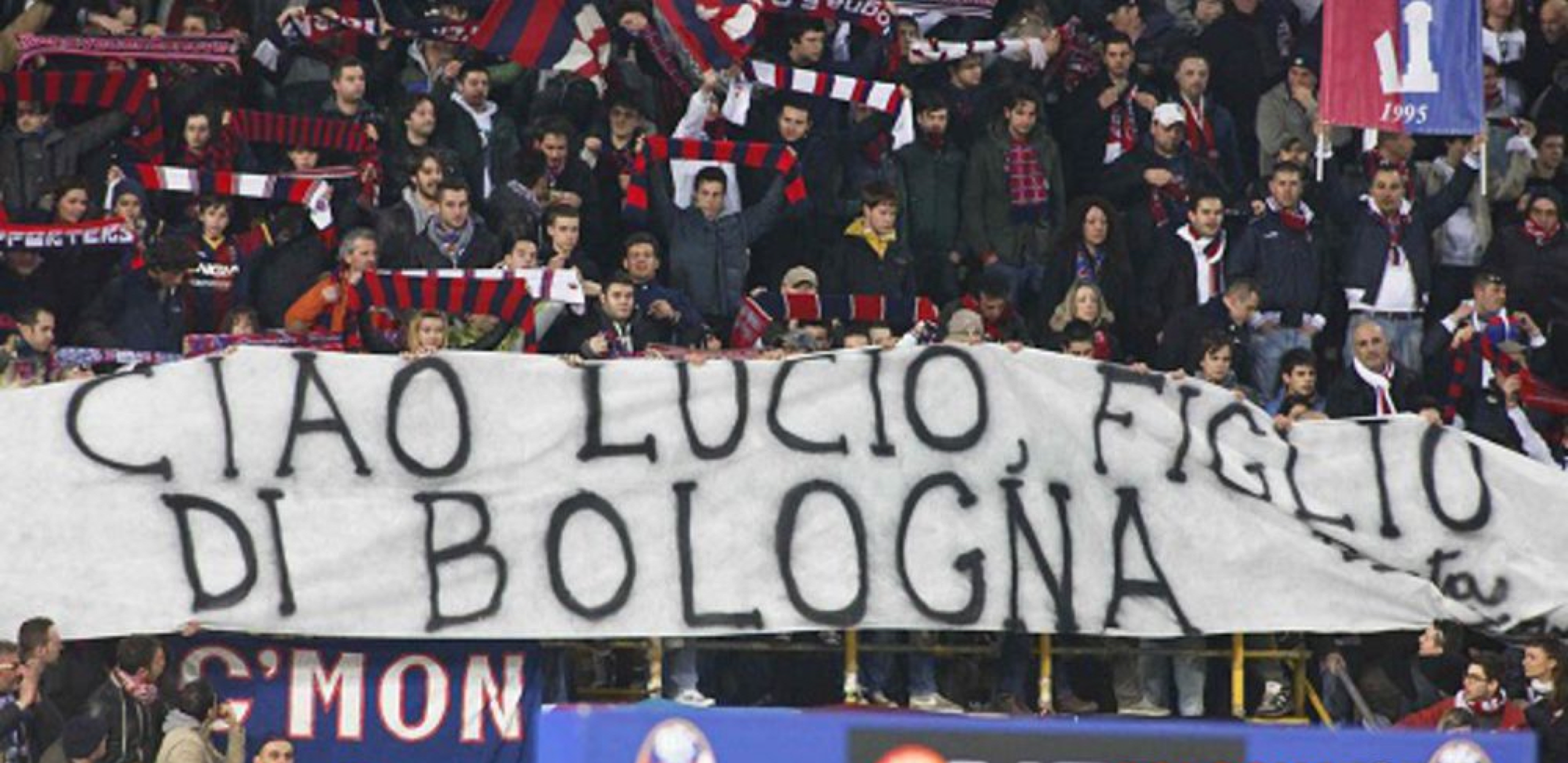
Even in these more recent years, however, Bologna has never lost its central role in the city’s social life. Its great artists—like Lucio Dalla and Gianni Morandi—have always graced its stands, and one of Dalla’s most hopeful songs, L’Anno Che Verrà, echoes through the Dall’Ara after every home victory.
After many ups and downs, the arrival of Joey Saputo—a Canadian entrepreneur of Italian descent—once again changed the course of the club, bringing innovation back into its ranks, once more through the hands of a foreigner. In today’s far more complex and demanding era of industrialized football, growth and success require far greater patience. But that progress is slowly taking shape.
Following Bologna’s deeply emotional chapter with Siniša Mihajlović—who remained at the helm even from his hospital bed, exemplifying the spirit and stature of the club—the new era began to show results, culminating in qualification for this season’s Champions League. Several players have since departed, but the club’s planning continues with a rational and forward-looking approach. Now, 100 years after its first championship, Bologna is steadily breaking through the confines of tradition—crafting a new, distinct legacy through innovation.

Bologna—the city of Emilia-Romagna, Italy’s great crossroads—is the birthplace of the first university, the capital of Italian cuisine, and the country’s most progressive city. For all these reasons, it is known as La Dotta, La Grassa, La Rossa—the Learned, the Fat, the Red. But on that Sunday evening, October 3rd, 1909—thanks in part to the chance colors of a Swiss college—another Bologna was born: La Dotta, La Grassa, La Rossoblù.
