
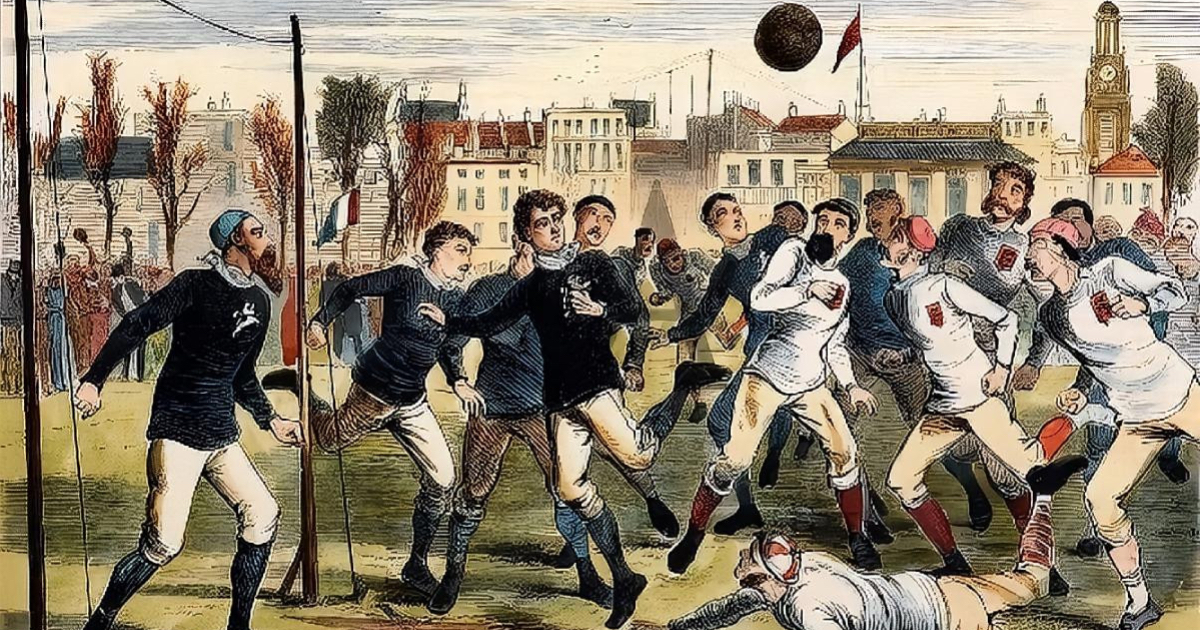
The history of football is lost in the depths of humanity’s historical existence, with the search for the reasons why our species became involved with a ball game touching upon questions that range from the biological to the philosophical. The codification and development of the game as we know it today, however, raises more specific questions—not so much about our existence, but about the way we function within societies and different socio-economic formations—because the play of humans is a mirror of our social history. Thus, as a continuation of the analysis of the historical path that shaped football games, we now turn to the conditions that defined the character of the modern sport in its cradle, Great Britain, during a period that not only gave birth to modern football, but to the modern world itself.
Why is football British? Why is what is played today all over the world the “English game” and not some evolution of cuju, pok-ta-pok, calcio, soule, or even the Greek episkyros? Why was it British mob football—and not any other variant—that served as the womb for the birth of foot-ball?
The search for the reasons behind the dominance of the British game and its global spread leads us to the causes of the universality of a national culture, with humanity’s entrance into capitalism and the substantial completion of globalization. We play the English sport all over the world for the same reason we speak English all over the world. Football is the offspring of the transformation of societies from feudal to capitalist, and its diffusion the offspring of the Empire that held the lion’s share in spreading this system across the planet. The historical process that acted as the catalyst for this socio-economic evolution and global expansion is the Industrial Revolution. Football, therefore, is a child of the Industrial Revolution… which happened in England!
The Industrial Revolution
But why did the Industrial Revolution take place in England? Were the British the original inventors of capitalism? The answer to the second question is no. Capitalism did not first emerge in Britain, or at any rate—to avoid delving into too many historical details—it did not emerge only in Britain. However, while other countries also implemented policies that led to the birth of capitalist relations of production from as early as the 16th and 17th centuries, for a number of reasons, in Britain these relations were able to evolve more rapidly, and thus the country became the cradle of the new mode of production and of the historically momentous Industrial Revolution.
These reasons are numerous. One of them is the country’s physical geography and its available natural resources. As an island nation, Britain had the capacity to develop ports along its entire periphery, which served trade to and from every corner of the globe. Its physical terrain, with the presence of many navigable rivers, allowed easy communication between ports and the interior—a crucial factor in times before the development of modern land transport like the railway. At the same time, reserves of coal and iron—both fundamental resources for industrial development—could be easily transported along these routes, both within the territory of the metropolis and to the far reaches of its expanding empire.
By the late 18th and early 19th centuries, Britain already possessed the conditions for the rapid transformation of its mode of production. The preceding agricultural revolution had exponentially increased food supplies while requiring less manual labor to produce them. This led, on the one hand, to a surplus of labor power that could be directed toward early manufacturing, and on the other, to the ability to sustain a population not engaged in food production, but in industrial goods. This surplus production also laid the foundation for the concentration of capital in rural areas. Thus emerged a bourgeois class—an outgrowth of the feudal lords who owned vast tracts of land—which reaped enormous profits from improvements in agricultural techniques and was simultaneously in a position to invest in the newly developing industry. Meeting this economic need was an already established financial system capable of granting large credits for the rapid development of industrial means of production. The Bank of England, as well as private financial institutions, operating within an exceedingly stable political environment, were able to offer loans for high-risk investments, with the circulation of money also ensuring the swift expansion of their own financial reserves. These early industrial investments were primarily in the textile, mining, and infrastructure sectors.
However, rapid capitalist development requires more than just the expansion of production—it also requires the so-called completion of the product, that is, the ability for it to reach the point of sale. The productive forces were able to develop rapidly in Britain because there was also an available market capable of supporting the distribution of the products being generated. Global dominance in seafaring ensured the fastest transport of goods around the world—a world, it must be said, of which a very large part was British territory. The so-called “red on the map”—the red on the world map that symbolized the Empire’s holdings—covered nearly half of the Earth’s land surface. This dominance in shipping, coupled with control over the largest “domestic” market humanity had ever known, secured for Britain the position of the center of global trade—and thus the privileged arena for capitalist investment and industrial development.
And as if all that weren’t enough, the seemingly high risk of large industrial investments was mitigated by the establishment of a series of laws protecting private property, which encountered little serious resistance. At the very same time when bourgeois-democratic revolutions were shaking to their core the established orders of major nation-states across the world, Britain was experiencing no significant political unrest—let alone a political revolution.
In this environment, the apparent interests of the producers—whether the owners of the means of production, the aristocrats evolving into an aristo-bourgeois class, or the guilds—led to an unprecedented development of production techniques. Key inventions that unlocked productive potential, such as the steam engine, the spinning jenny and power loom, and iron smelting processes, appeared in this setting. The craftsmen organized in guilds rapidly evolved methods of production in textiles, mining, and shipbuilding, laying the groundwork for a further acceleration of economic development. Alongside the techniques, infrastructure also developed—almost as a natural necessity—with the construction of roads, canals, and the railway. By the mid-19th century, this turned the island nation for the first time into a transport network moving goods from the interior to the ports and beyond to the ends of the world.
And if one major source of income for the owners of this generated wealth was the Empire, very soon the capacity to produce goods also led to a rise in the demands of the domestic market of the metropolis, with the dominant classes seeking to improve their standard of living.
The Birth of the Working Class in British Capitalism
But this development was neither dreamlike nor paradisiacal for everyone. Capitalism, beyond the immense accumulation of profit for the ruling class, also gave birth to the real producer of that wealth: the working class. Over the course of the 19th century, millions of individuals left the countryside to migrate to industrial cities. Life in rural areas became unbearable, as the supply of labor far exceeded demand. This, naturally, had an impact on incomes, with the higher wages offered by jobs in the urban industrial sector serving as a significant incentive to relocate—particularly for the younger population, with the slightly more educated segments among them migrating more easily than the completely illiterate. The existence of the railway and the ease of travel made this decision even easier, as what was once a journey of days to reach the site of resettlement had now become a matter of a few hours.
But what conditions did these newly arrived workers find in the industrial cities? The densely populated urban centers—and especially the working-class neighborhoods of cities like Manchester, Liverpool, and Birmingham—became symbols of urban overcrowding and poverty. Housing conditions were appalling, with inadequate sewage systems and sanitation in run-down houses and “shantytowns.” Dampness and poor ventilation facilitated the spread of diseases such as cholera and tuberculosis. The result of this overcrowding was high mortality rates, especially among the children of the working class.
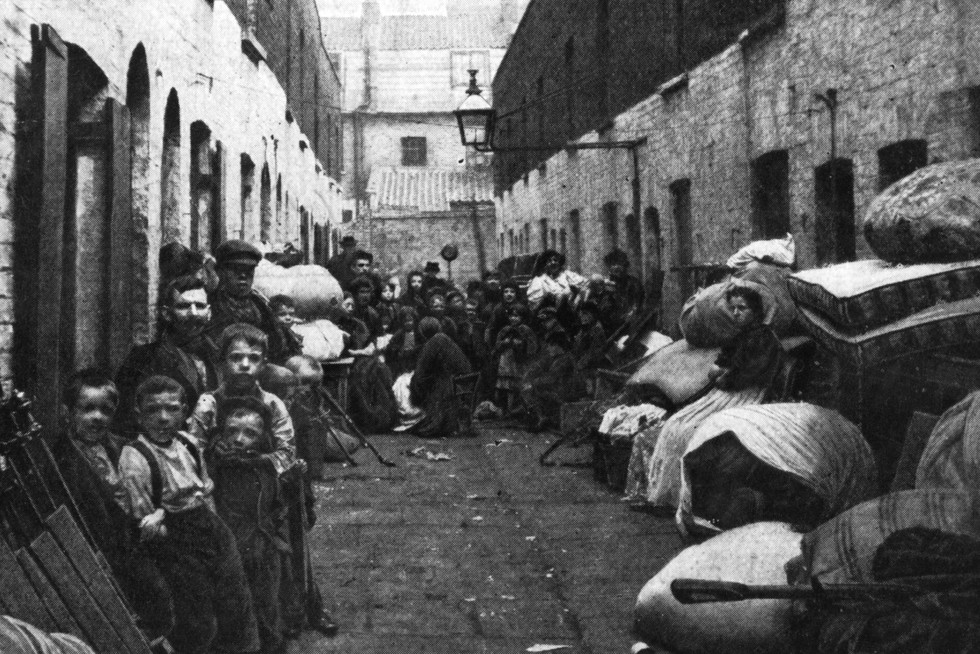
But the conditions were not dire only at home—there was equivalent destitution in the workplaces as well. Under a regime of extreme exploitation of their labor power, men, women, and children worked in factories for 12 to 16 hours a day. Men’s wages were barely enough to cover basic necessities, while women and children were paid even more meagerly. Crises of overproduction—intrinsic to the system even in its earliest and most rapid phases of development—led to mass layoffs and unemployment, making the lives of workers unstable and full of insecurity.
As for the geography of the cities, these conditions led to a division within urban centers. The wealthy lived in better neighborhoods with access to sanitation services and green spaces, while workers were crammed into degraded districts. The rich and the middle class exhibited a “blindness” to poverty. Since it was not visible outside their own courtyard, they were indifferent to its existence. In fact, the bourgeois reading of the historical period conveys this supposed ignorance of the living conditions endured by the great mass of the population in the centers of capitalist industrial development. The only response from the bourgeois class—through charity and a few basic measures from the political authorities—concerned minimal sewer works and the imposition of hygiene regulations, to the extent that these could prevent the spread of disease into the areas inhabited by the wealthy.
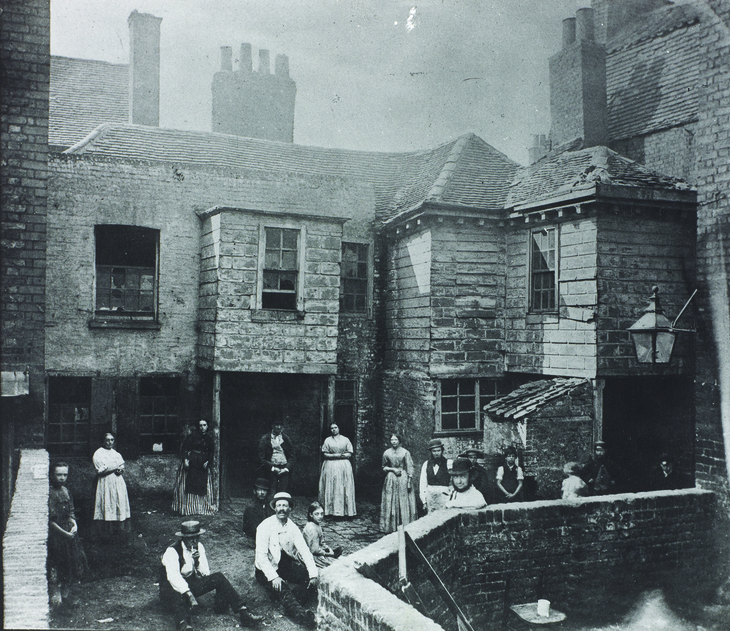
While the conditions of destitution posed an immediate physical threat to the working class, their widespread generalization also became the reason for the birth of its class consciousness. Workers developed close bonds through shared experiences of poverty, labor, and leisure. Neighborhoods became micro-communities where mutual aid was a necessity. The first workers’ institutions, associations, and clubs were born out of the need for collective action, which led to the creation of trade unions—unions that in turn formed the foundation for political mobilization. The struggle for life by the working class within Britain’s industrial centers also gave rise to a historically unprecedented demand from the wretched of the earth: the demand for free time—essentially, the portion of life where free existence could coexist alongside the bondage of labor exploitation.
One of the first major achievements of this political mobilization and the class formation of the workers was the Ten Hours Act, the so-called Factories Act of 1847. This law secured the right to life for the working class—it essentially created, for the first time, legally protected free time. And that was a turning point in the development of a game that would come to express them!
The Impact of Urbanization on Leisure Time
Leisure time in the industrial urban centers necessarily had to take on new content, as it had to differ from the forms of recreation once associated with open fields, forests, and farmlands. Working-class neighborhoods, though limited in infrastructure, provided central open spaces where leisure time could be collectively enjoyed. The increasing standardization of urban areas restricted spontaneous activities—such as the old local football games played in fields—replacing them with new ones, thereby transforming the very character of the game. Thus, the open and undefined mob football was being transformed into what would, by the mid-19th century, be codified as the modern football game: association football—the game that the entire planet, in one way or another, calls fútbol.
Beyond the standardization of space, however, came the standardization of time. A major development in this regard was the adoption of universal time. The main driver for the institutionalization of a unified time system was the railway. Before its development, each region set its own time locally, based on the solar cycle. However, the need to schedule railway connections, along with the associated work and production routines, created the need for agreement on a single time. In 1847, Greenwich Mean Time was established, and by 1880, what was known by its initials—GMT—was officially adopted across the entire country.
With production time standardized, workers—being essentially living tools within that system—had standardized working hours and, therefore, standardized leisure time. Recreational activities also had to align with these time constraints, leading to the transformation of the temporally undefined game into one with a fixed beginning and end.
Under these conditions, football, which had already spread within the public schools where the sons of the affluent classes were educated, also became the game of the city, of the squares and streets, for the working class. In a form that was still spontaneous, yes, but whose character was shaped by the features of the urban terrain. In discussing the founding of the Football Association in the first part of this historical overview, we examined the division over the choice between the game played with hands and physical contact versus the game played without hands and without dangerous tackling. The latter form, which ultimately prevailed, was not merely the invention of pioneering sports administrators—it was the reflection of the urban landscape on the way the game was played.
In the vast natural settings of the countryside, rough physical contests—piling on a player by one or even several teammates and opponents—on soft ground, in mud, and natural vegetation, did not impede the continuation of the game. But such a situation on the hard surfaces of the cities would cause severe injury. Thus, the dribbling and kicking game was the one that could most easily develop in urban centers. This is also the reason why football—association football—became historically rooted in the big cities, whereas rugby was able to dominate in semi-urban and rural areas. Furthermore, the fact that the working class was concentrated in urban centers made football inseparable from their existence, while the more affluent classes, who had large open estates for leisure, connected more closely with rugby.
The clear separation of work time from leisure time led to the spread of a popular but fragmented urban football culture. Another piece of legislation, however, was what transformed the football game into a unified activity and, therefore, into a social phenomenon. Workers didn’t just need free time for themselves and their coworkers or neighbors to play—they needed a specific moment in their daily or weekly schedule to play with teams formed beyond the narrow confines of their neighborhood or workplace. The 1850 law establishing Saturday half-day gave them that opportunity, as it offered workers the first systematic chance to use their leisure time for organized activities such as football matches. Employers, in fact, began to support these activities, hoping to reinforce labor discipline and reduce social unrest in the cities.
From 1850 onward, Saturday became football’s day. No one was to work past 2 p.m., and as a result, the most sacred football schedule in history was born. Even today, most football matches in the country are played at 3 p.m. on Saturdays. Even in the modern hyper-commercialized environment, matches played at this hour in the Premier League are not broadcast on any British television channel, free-to-air or subscription-based, and live streaming is banned within the country. This is done to ensure that all stadiums—at every level—hosting matches at this historically “protected” hour of the week are filled.
But the establishment of the Saturday half-day was not the only law that allowed football to evolve from a recreational pastime into a social phenomenon. Another law concerning the living conditions of the working class would prove decisive in this transformation. In 1870, with the Education Act, compulsory schooling was established, and childhood was recognized as a phase of leisure. With the introduction of mandatory education, children of workers gradually began to withdraw from the factories and spend time in schools. This limited child labor and brought the young population closer to organized sports activities, with schools encouraging participation and football gaining a central role.
However, the athletic education of the elite and that of the working masses did not share the same ideological content. In Victorian England, the public school—that is, the private college—functioned as a factory of a new masculinity, one not based on the development of students’ genetic or intellectual traits, but on their physical and moral virtues.
At the same time, in state schools—those built for the people—the virtues of collective action found space to flourish naturally. This also enabled graduates of those schools, despite their humble origins, to create football clubs that could survive financially and compete with the elite. One such club was founded by pupils of Droop Street Primary, in West London, with the formation of Queens Park Rangers in 1882, later taking on its full modern name three years later. A similar story is that of Sunderland, which began its activity in 1879 as part of a teachers’ training college.
Additionally, the eradication of illiteracy led to a rapid increase in readership of popular publications, which began to feature reports on football matches. Thus, a match that in earlier times would have been known only to a small crowd of eyewitnesses now concerned a much larger segment of the population—people who could live far from where the game was played.
These two legislative measures are essentially what, over time, created the need for and made possible the institutionalization of regular championships. This collective and organized method of conducting matches also transformed their venues—the open spaces that gradually became formal football grounds—into spaces of socialization and the strengthening of community identity. Workers who went to the stadium not only watched the matches, but also forged personal and social bonds—something that didn’t create political consciousness, but often supported its development. That is to say, it wasn’t the workers’ parties and unions that filled the stadiums, but the stadiums could become spaces for the mass dissemination of their political platforms.
The Identity and Solidarity of the Working Class
The working class of the cities did not become associated with football grounds by chance. Unlike the ruling classes, the shared experiences of workers helped them realize that only through the collective expression of their will to live the life they aspired to could they hope to see an improvement in their living conditions. Naturally, this had implications for all their activities, and so football grounds became an ideal space for the expression of collective identity. In fact, initiatives of worker solidarity often started from the stadiums—such as supporting the unemployed, the sick, or injured workers. Moreover, the fact that most spectators at the time did not even have the right to vote made the stadiums an exclusive space for the expression of popular sentiment regarding political developments.
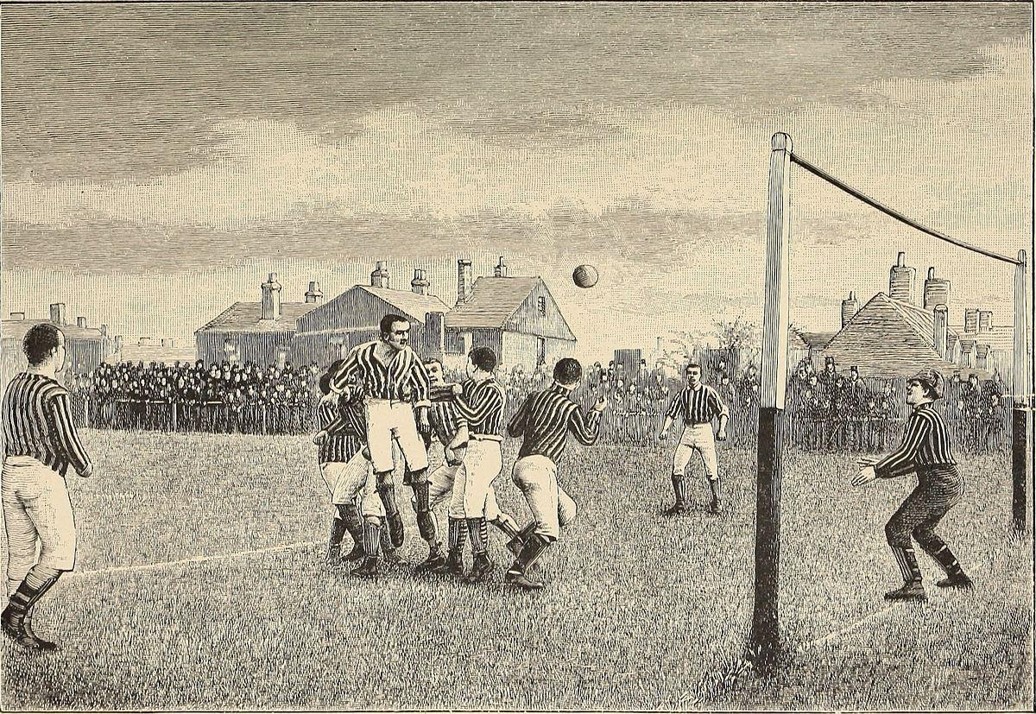
But beyond the football grounds, there was another meeting place for the working class—one that evolved into an institution of British folklore. Workers would gather in public parks and local markets, in a manner of social interaction that one could find in other countries as well. However, perhaps due to the climate, there was a need for a sheltered space to host this communication and working-class sociability. This role was played by venues that typically featured a tavern on the ground floor and an inn on the upper levels of the building.
Unlike private houses, which required one to be a member in order to enter, the so-called public houses were open to all. The shortened version of their name—pub—is the one that has remained to this day.
Turning to Engels and his book The Condition of the Working Class in England, written in 1845, we see that pubs were not merely places for alcohol consumption, but central points of social gathering where workers could exchange ideas, share their hardships, and build bonds of solidarity. It was in these very spaces that the organization of the working class—both politically and in trade unions—was born.
But pubs, beyond being cradles of working-class political organizations, were also the cradle of the first football clubs. Sheffield FC, the oldest football club in the world, was founded in a pub in 1857. The Football Association was established in a London pub in 1863, and the Football League in a Manchester pub in 1888.
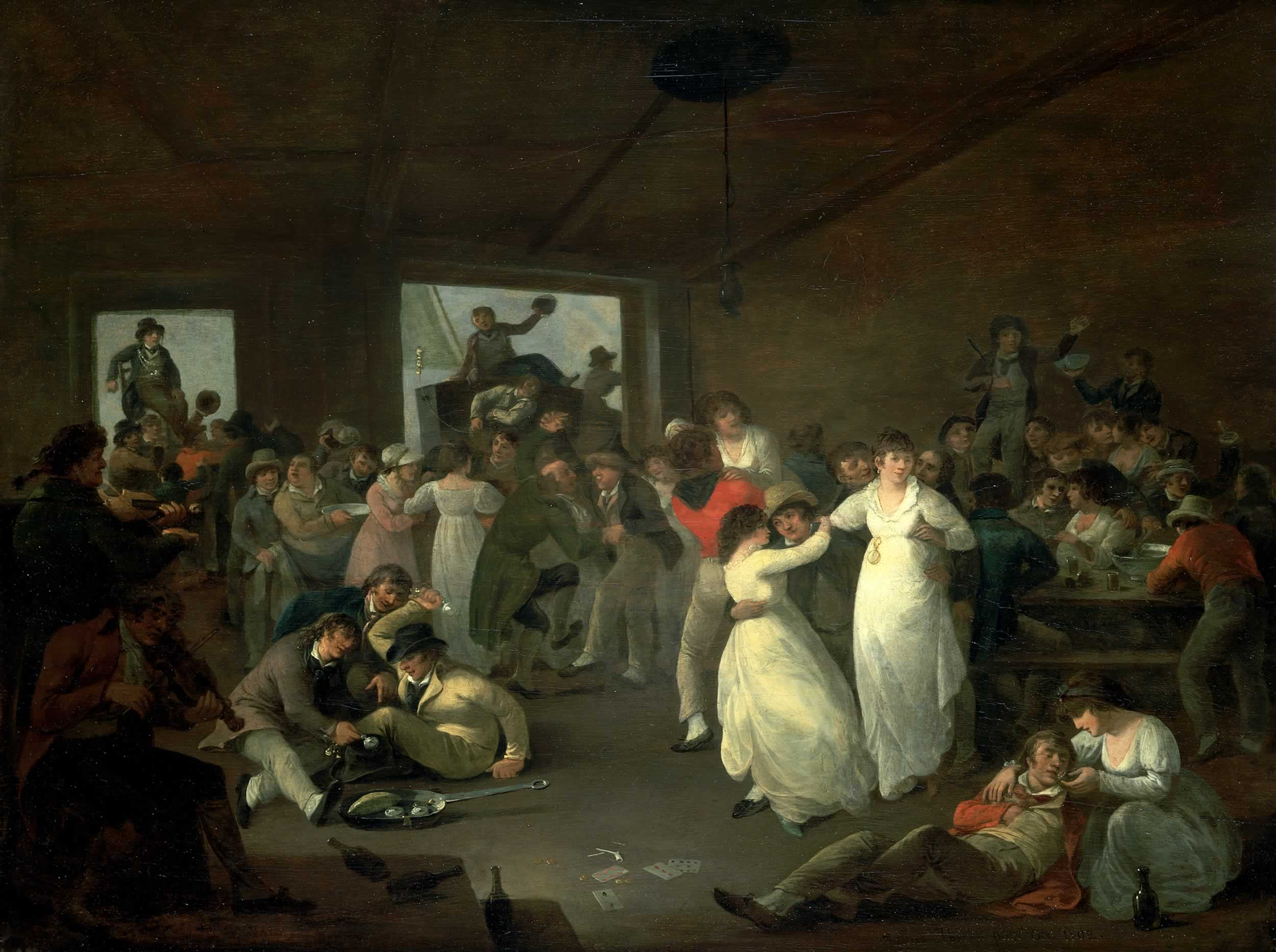
Pubs and football grounds thus served as gathering points for the working class and, beyond that, as spaces that allowed for its collective expression—whether organized or spontaneous. Through the early football matches between neighborhood and factory teams, workers became part of a club. The development of a fan base was neither immediate nor entirely spontaneous, but rather the result of a sequence of events reflecting the growing influence of the club.
Initially, it was the workers who played football that formed the club. During matches, their relatives and a few friends might watch from the sidelines. Over time, the number of footballers—who were also the club’s members—exceeded eleven, meaning those who didn’t make it onto the field became the first supporters—the first fans. Alongside them came neighbors and co-workers who may never have played football themselves, or who lacked the skill to play for the team, but still wished to become members. Through this process, they felt that a certain activity—football—reflected, at the very least, a partially or fully conscious sense of class belonging. This sense of belonging naturally carried strong local traits, but since the geography of the cities was already deeply marked by class divisions, the local bond with the club also became a class bond—strengthened further through a process of reinforcing each club’s distinctive traits, what is often referred to in both academic literature and common speech as fan DNA.
The better teams, in this way, managed to attract more and more members—more and more supporters—through a process of siding with the winner. However, those distinctive characteristics—that DNA of each club—were the driving force behind the creation of a generally class-homogeneous fan base. And so, some clubs grew immensely, and by the time of the FA Cup and the Football League, had come to represent the working class of an entire city.
Factory Teams and Employers’ Clubs
But football clubs were not founded solely by workers in pubs. Many factory owners and employers in general supported the initiatives to establish football clubs and became their main sponsors—if not presidents or owners themselves, given that the question of ownership was not always as clear-cut as it is today. In doing so, employers were able to control the leisure time of their workers, concentrating them in an activity that essentially unfolded under their own patronage. This ensured that workers would not spend that time in uncontrolled alcohol consumption or develop collective antisocial behaviors—aiming, in effect, to maintain order and discipline, which created favorable conditions for productivity within their operations.
Beyond that, they sought to use football as an ideological tool, strengthening emotional ties between the workers—whether players or supporters—and the respective business or employer. This pattern is quite common in modern football, but although it is often presented as entirely dominant, it would be a grave oversight to believe it was—or is—the only developmental path for the sport.
Employers invested in football clubs, paid for equipment, travel, and stadium facilities, and by introducing ticket sales (as all clubs eventually did), they were often able to secure financial benefits from this investment. But more important than profit was the influence they gained within the local community—a motive that remains central even today, when billionaires buy football clubs in an era where such ventures are rarely financially profitable.
However, the founding of a football club by an employer—or within the framework of a business—did not necessarily mean that this feature of the club would remain fixed. Notable examples of clubs that changed names and transitioned into the hands of the working class, breaking beyond the confines of a company, include Manchester United, originally established as the team of the Lancashire and Yorkshire Railway Company of Newton Heath, and Dial Square, later renamed Arsenal.
Working-class teams were growing, and class conflict spilled onto the pitch. While upper-class clubs such as Corinthian FC and the Old Etonians promoted the so-called “amateur ideal” and “sporting ethics,” insisting that football should remain free of financial motives, factory teams advocated for the professionalization of the sport—since players from poorer social strata could not afford to play without financial support.
The institution that played a crucial role in bringing this conflict to the fore was the FA Cup, where all clubs of the Federation could participate, regardless of their class or geographical origins. A historic milestone in this context was the 1883 FA Cup Final, in which the Old Etonians—representatives of the wealthy classes—faced the working-class Blackburn Olympic.
The Old Etonians embodied the athletic philosophy of public schools, the elite private institutions. This was reflected in their style of play: the so-called rushing game, based on individual drives and physical strength, with long passes and “running with the ball,” and limited emphasis on team collaboration. It was the aristocratic conception of football—as a sport of bravery and personal effort.
Blackburn Olympic, by contrast, played what was known as the combination game. Instead of relying on individual runs, the game was built on cooperation and quick exchanges of passes between players. Passes were usually short, and the team’s tactics revolved around coordinated attacks, reducing reliance on brute strength. This approach introduced footballing strategy, placing emphasis on team cohesion.
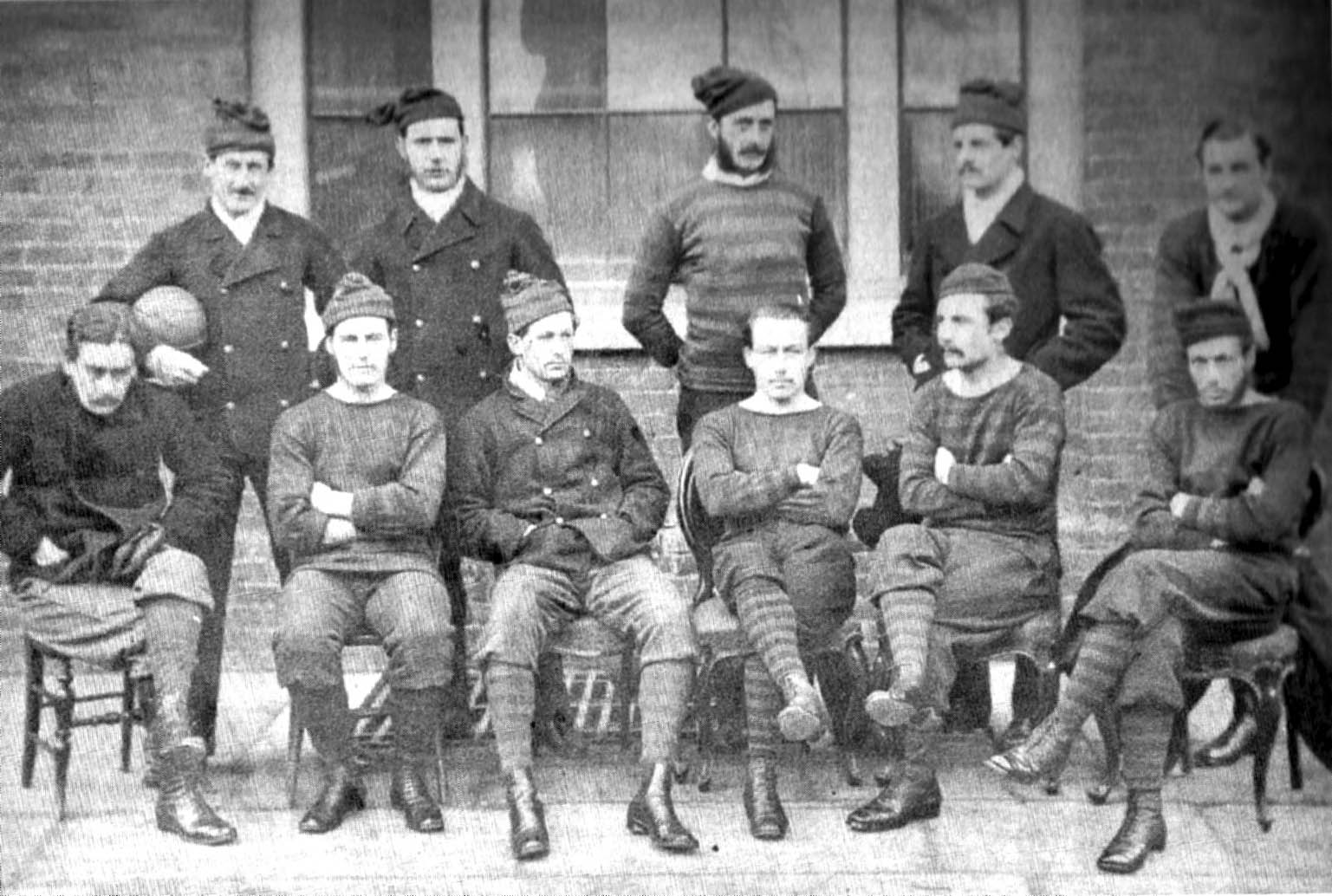
Blackburn Olympic’s 2–1 victory in extra time became a symbol—marking the first time a team of workers won the FA Cup, achieving at the same time a class victory against a club of the elite. It was also an ideological triumph, as their style of play represented the innovation and adaptability of the working class—based on cooperation rather than physical superiority. With this victory, the evolution of tactics in English—and by extension, global—football was largely shaped, an evolution one could say bears the imprint of the working class. It was a practical application of historical materialism within a sporting—and therefore symbolic—context.
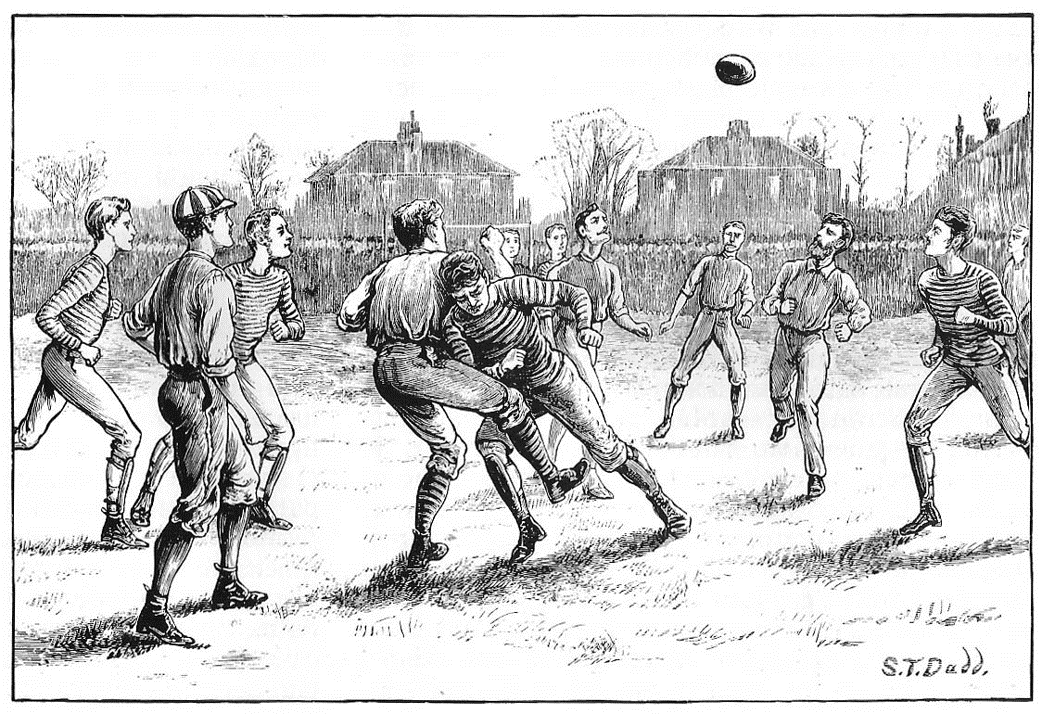
The dominance of aristocratic logic in football up to that time is also reflected in the tactical systems used. Eleven years before the final won by Blackburn Olympic, on November 30th, 1872, the first ever international football match took place—between the representative teams of England and Scotland. The formations with which the teams lined up are telling of a game lacking team cohesion: 2–2–6 for Scotland and 1–2–7 for England—that is, with six and seven forwards respectively, and only two and one defenders per team. The result of that match, contrary to what many might casually assume today, was a disappointing 0–0! This result was also influenced by the offside rule as it stood at the time, which required the attacking player to be onside only if three defenders were between him and the goal (usually the goalkeeper and two more players), making through balls quite difficult.
However, during the 1880s, the game began to change, with the 2–3–5 formation—known as “The Pyramid”—becoming the standard among British teams. With the goalkeeper included, this setup created a perfect triangle, offering both structure and balance. This tactical innovation, inspired on one hand by the game played by English workers, and on the other by the Scots—who came, to a greater extent, from similar working-class backgrounds compared to their English national teammates—shaped the way early football was played until 1925, when the sport entered a new era.
The entire period up to 1925 can be characterized by the continuous formation of football’s rules: the roles and behavior of referees, goalkeepers, goals, and pitch markings were all gradually defined during these years, transforming the nature of the sport. The last major change was the revision of the offside rule as we know it today, which brought about a revolution and essentially triggered the modern evolution of football tactics.
Football as an Escape from Destitution
But why, out of all possible forms of entertainment, was it football that captured the attention and participation of the masses—of the working class? On one hand, the nature of the sport itself—with its potential for collective catharsis, both for those taking part and for the spectators—acted as an antidote to the pressure and harsh working conditions of the week. Football was also cheap and accessible: it required minimal equipment and could be played almost anywhere, making it especially popular in working-class neighborhoods compared to other sports.
On the other hand, the placement of football matches within the weekly schedule—on Saturday afternoons, at the end of the workweek—intensified its function as a form of psychological relief that workers deeply needed. The ability of large groups—essentially, communities—to gather in a single space at a predetermined time was the very reason for the sport’s sudden massification. The public experienced victories and defeats collectively, strengthening the sense of community and solidarity.
But beyond the collective experience, football also had the capacity to offer something more personal to each participant, in one way or another: a boost in self-esteem. Through the successes of the club they belonged to, individuals could feel part of that achievement and pride—could taste the joy of a win in an environment where, at least on the surface, social exclusion did not seem to exist.
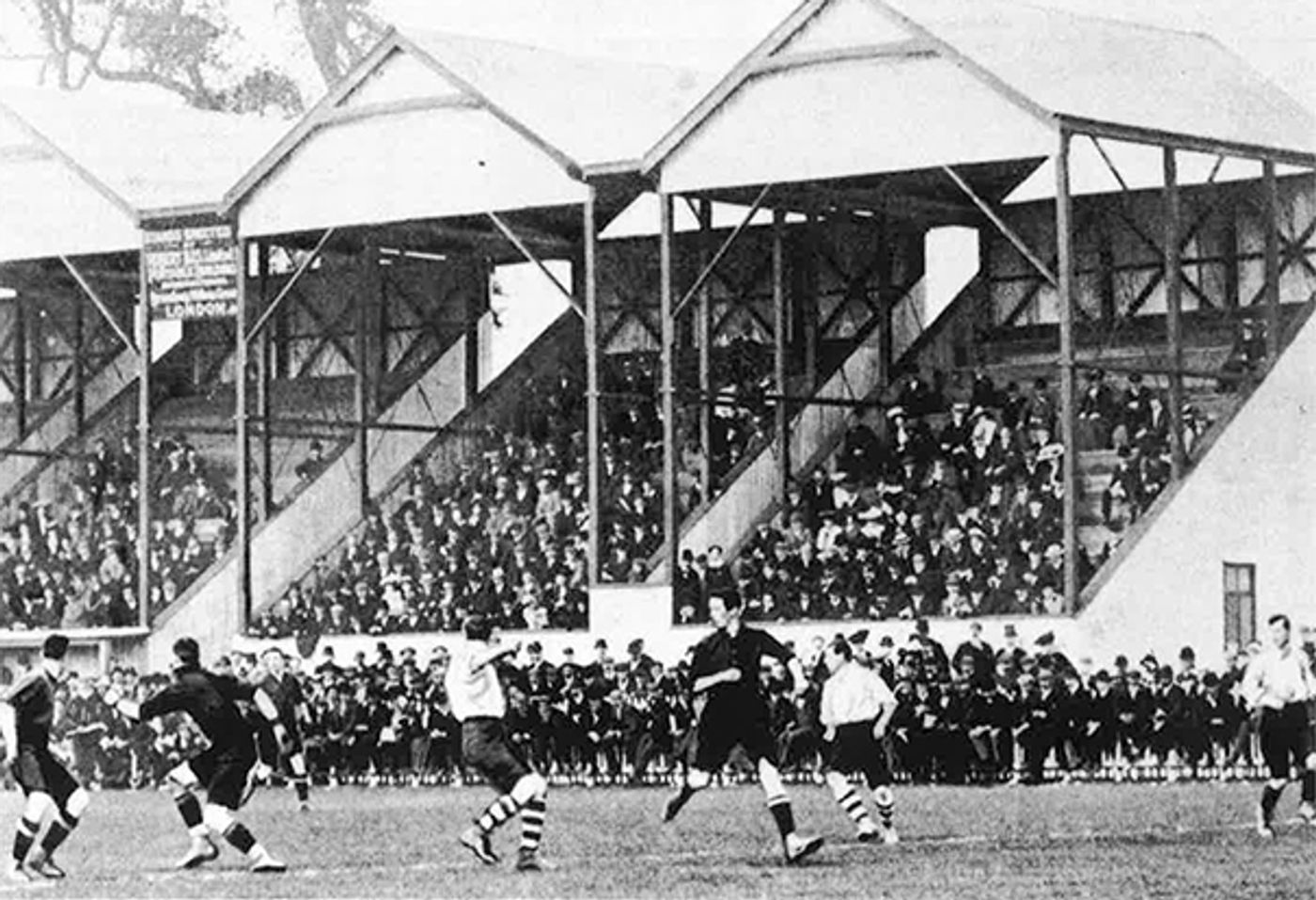
At the stadium, social class did not carry the same weight as it did in the workplace or in the social gatherings of the upper classes. Thus, the success of a club on the pitch could, in the moment of the match, matter more than the actual economic condition of the supporters—who, in fact, saw children of their own class become protagonists and heroes. This illusion did not necessarily function negatively in relation to the workers’ economic and social struggles; each small sporting victory did not erase the harsh reality but rather created symbolic reflections of the capacity of their class to triumph in other fields as well.
Beyond that, the intrinsic value of the worker who achieved that victory showed that such success could be attained without the seemingly essential dependence on the factory owner or any boss—offering fertile ground for the liberation of working-class consciousness. This delicate balance—between illusion and liberation—is the foundation of the ideological struggle within football under capitalism. To ignore or erase this struggle is a mortal sin for anyone who claims to represent the interests and progress of the working masses.
The football ground can symbolize a charge toward life for every oppressed person—and shape the very vision of the true charge of the working class into a world where it will live free of all class barriers.
The Legalization of Professionalism in 1885
But the transformation of workers into footballing heroes was not a process that unfolded solely on the pitch. Working-class teams had to fight hard in order for clubs composed of players from the lower social strata to exist—and for those players to be competitive against the clubs of the ruling class. The central demand in making this possible was the legalization of professionalism.
Today, professionalism in football is often discussed as something that draws the sport closer to the interests of the wealthy, primarily because of its association with commercialization. Historically, however, the ability of a worker to be paid and make a living by playing football is precisely what gave rise to the heroes who came from the most impoverished layers of society. In fact, the aristocratic clubs, intent on keeping the sport within the bounds of their own ideological hegemony, fiercely defended the amateur athletic ideal—something they successfully imposed on rugby, effectively severing it from the working-class masses, as well as on the Olympic Games.
The long and difficult struggle led by working-class clubs—most notably Blackburn Rovers and other teams from the industrial North—ultimately forced the Football Association to accept professionalism in 1885.
This decision transformed football into a means of social mobility, among other things—though the number of working-class players who actually succeeded remained minuscule compared to the broader working population. In this way, the dilemma of illusion or symbolism in football is once again repeated, as both coexist in opposition. On one hand, this slim possibility can create the illusion of potential social ascent within a system of exploitation; on the other, it produces working-class heroes who symbolize far more than what they, as individuals, can represent or even imagine.
One of the first footballing heroes of the working class was Jimmy Ross, who played professionally for Preston North End, a club in the outskirts of Manchester. He contributed to the team’s unbeaten run in the 1888–1889 season—one of the most iconic sides of the era, which went on to win the very first championship in the history of English football.
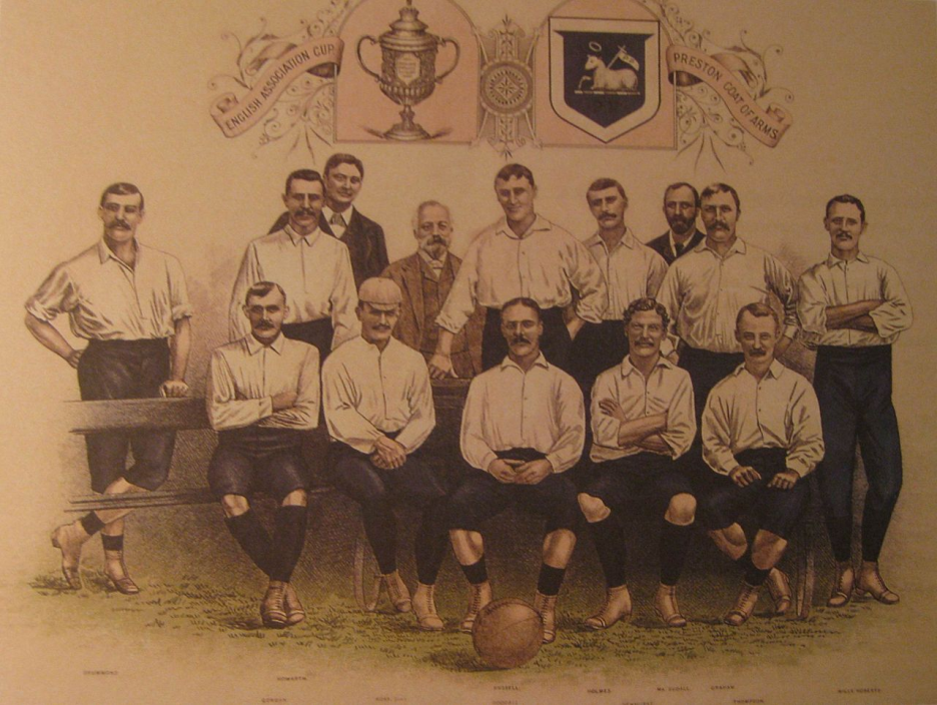
Professionalism also contributed to the financial independence of the clubs, which now drew resources from the local economy—thereby increasing their influence over the working masses, especially among the youth, who embraced the sport even more enthusiastically, seeing in it a potential path to individual advancement and an improved standard of living.
A prime example of a club that grew rapidly due to the characteristics of a city’s economy was Sheffield United. Founded in 1889, the club was directly tied to the industrial city and its steelworkers. The team’s nickname, “The Blades,”reflected the local tradition of knife and cutting tool manufacturing, making the club a symbol of the city’s industrial identity.
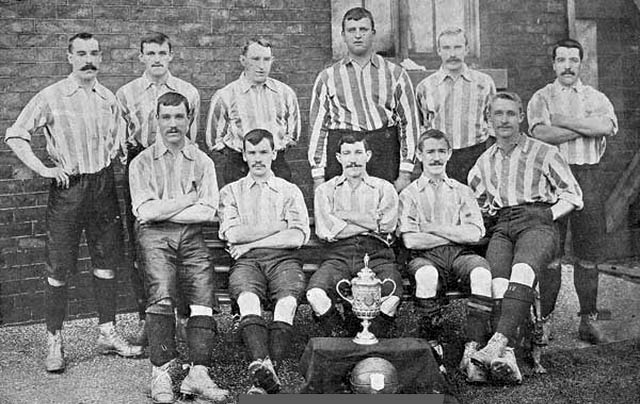
In the even larger city of Birmingham, Aston Villa—founded in 1874 by members of a local church—originally aimed to promote socialization through athletic activity. But the club’s identity quickly evolved due to the rapid rise in support from the working class, transforming it into a social symbol of the city and its industrial growth.
In London, similar traits can be found in the history of West Ham United, founded in 1895 as the Thames Ironworks football team. This was the club established by workers at the city’s shipyards, and it became closely associated with the hard-working class and resistance to social inequality.
These elements of class-based collective expression—the symbolism of the exploited triumphing over their exploiters—did not, at the time, result in the creation of illusions. On the contrary, they laid the foundation for political demands, in an era marked by the rise of the labor movement’s power and degree of organization. This demonstrated that football was not “the opium of the people,” as religion was described, but rather a potentially useful institution in the hands of the working class—one capable of contributing to greater and more meaningful victories in the realm of political and social struggle against the ruling class.
The Founding of Football Institutions
Was football, then, in its early years as an organized sport, a possession of the aristocracy that had envisioned it—or a tool in the hands of the exploited masses? Given that football is part of the superstructure—that is, a phenomenon which emerges within the framework of a given economic base—its fate was and still is determined by those who hold political and economic power, namely, the elite. Yet this does not mean that the powerful British aristocracy was able to act without resistance, nor that it did not suffer serious defeats in its efforts to control this social activity, which it had originally intended exclusively for its own entertainment.
The victories of the clubs representing the working class came primarily through their organized and coordinated action within the framework of football’s emerging institutions. In fact, the very creation of those institutions was itself a victory for society’s outsiders. The founding of the Football Association in 1863, for instance, occurred with the conspicuous absence of the representatives of the elite colleges. As a result, the rules that were adopted aligned more with the style of play practiced by the urban working classes. Of course, traces of upper-class legacy remained: the eleven players per team reflect the number of participants in a cricket team—the quintessential aristocratic sport. Another theory suggests the number corresponds to the beds in the dormitories at Cambridge, linking the decision to the 1848 rules—but that version is likely a romanticized reading of history. The dimensions of the Rugby schoolyard—Rugby being a prominent aristocratic college—were those that ultimately defined the standard dimensions of the football pitch.
Less than a decade after the FA’s founding, the establishment of the FA Cup in 1871 led to the full democratization of the sport, allowing working-class clubs to compete against the elite—eventually winning the same trophy for the first time in 1883, and doing so at Kennington Oval, a ground symbolic of British aristocracy and the historic home of England’s national cricket team.
The founding of the Football League in 1888 was a grassroots initiative, driven by popular clubs. It was William McGregor, a board member of Aston Villa, who spearheaded the creation of a national league. The significance of the working-class clubs’ victory in establishing a league is reflected in contrast to the sport of the upper classes—rugby—which didn’t hold its first top-tier national championship in England until 1987, a full 99 years later.
The creation of the Football League allowed for regular scheduling of matches, fostered competition that fueled mass interest, and established football as a national phenomenon, while further reinforcing the sport’s professional nature. Its significance, however, goes even further: it laid the foundation for how football would be organized in every other country, gradually transforming the social phenomenon from British to global. This is the trajectory that led Eduardo Galeano to write that football was “first organized in the colleges and universities of England, and then brought joy to the lives of South Americans who had never set foot in a school.”
And yet, football was never truly won by the working class. What occurred was a process of class exchange—different classes taking turns in shaping the sport according to their own purposes—with the capitalist class ultimately prevailing, as it played on home turf in the arena of the economy. The elite created the codified game; the working class shaped it, massified it, and turned it into a social phenomenon; and capital returned the moment it could extract political and economic benefit from it. This process was accelerated by the sport’s commodification—which, paradoxically, was not a bourgeois invention.
Working-class clubs depended on ticket revenue for their survival. In doing so, they introduced the earliest forms of commerce into sport. A particularly telling story about the working-class roots of football’s commodification is the founding of the first limited liability football company. In 1889, East End Football Club of Newcastle—later renamed Newcastle United—decided to halve ticket prices in hopes of exponentially increasing attendance and revenue. But the experiment failed: nearly the same number of fans came to the ground, proving that prices at the time were not an obstacle for the popular classes to attend matches. Naturally, the club’s income was also halved, and it found itself on the verge of bankruptcy.
The following year, instead of changing its ticket pricing policy, the club made the decision to become a limited company, issuing 1,600 shares, which were sold in local pubs. The ability of locals to become co-owners of the club had an extraordinary effect on its popularity: shares sold out rapidly, and the club became both the first grassroots-owned football club and the first football joint-stock company. Thanks to its newfound financial strength, it outcompeted and ultimately drove its major local rival, West End Football Club, to bankruptcy and dissolution.
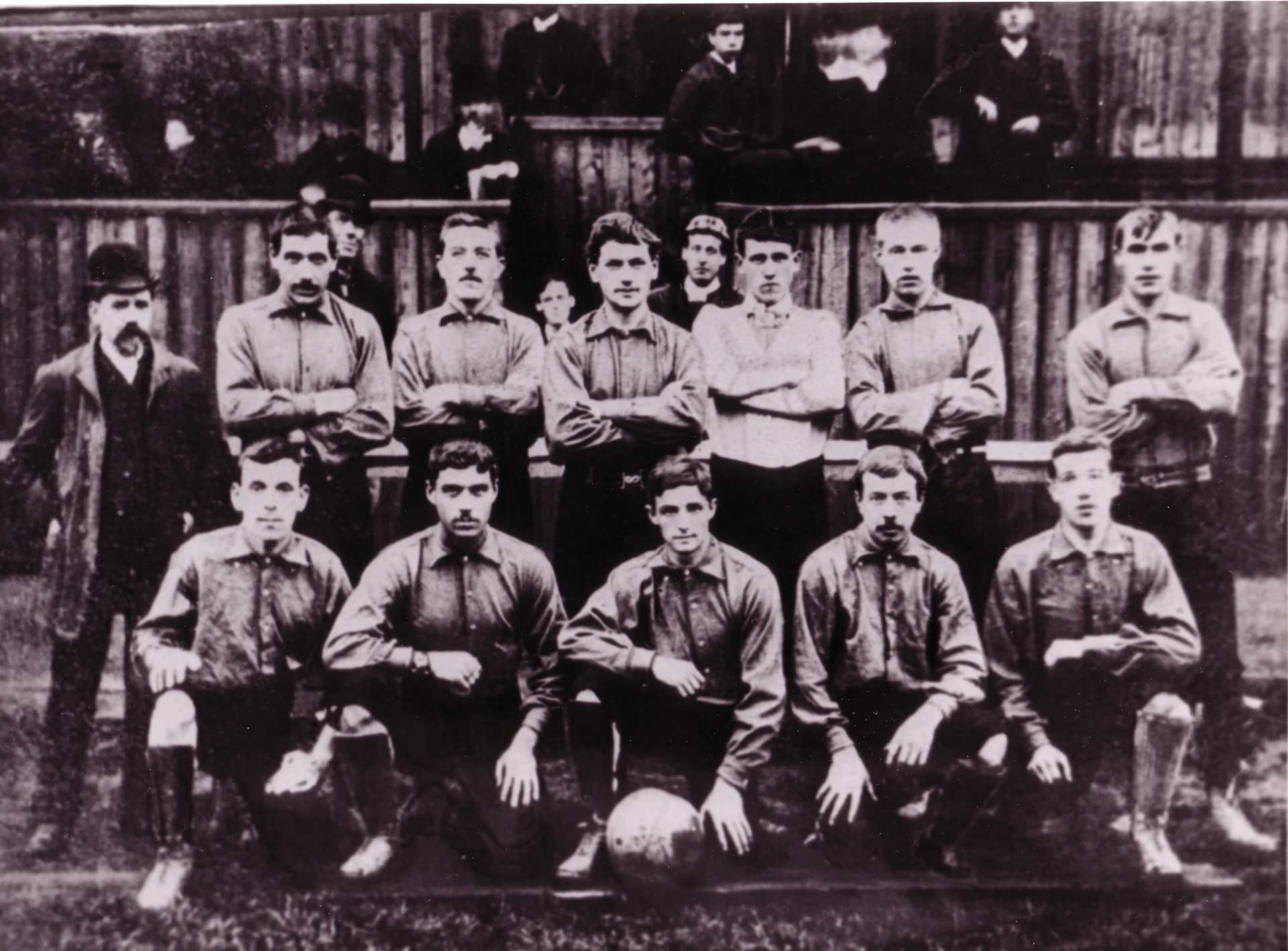
The ability of popular clubs to grow—also economically—was further strengthened by the technological advances of the time. By the late 19th century, the country’s railway network was nearly complete, public transport systems filled the cities, and a new invention—the bicycle—made urban distances shorter. As a result, larger crowds from farther away could easily reach the grounds of their favorite teams.
How then did this economic growth not solidify the model of clubs owned by the working class? The working-class clubs had made no mistake. But they had developed their organizations in order to survive in a world dominated by capitalists—within an economic model that serves the interests of their exploiters’ class. The natural consequence of this was the dominance of capital in the realm of football as well, since it was capital’s own tools of economic policy that enabled the sport’s expansion and popularity. And this will continue to be the case for as long as the economic system remains the same as it was in 1890—proving that socialist islands of football cannot survive within capitalism.
The Emergence and Development of Women’s Football
The democratization of a sport—something that happened de facto through the masses that embraced it—could not be considered complete unless it encompassed the whole of society. And if one barrier that had to be broken for the working class to enter football’s history with force was the class barrier, another, equally and perhaps even more difficult to overcome, was that of patriarchal society. The early history of women’s football shares many similarities with the development of working-class football—perhaps because it emerged with similar traits. A game that was accessible and capable of generating collective emotion began to be played by those who needed it most. The effort by the ruling class to suppress a development that was uncontrolled and misaligned with the structures of its power is perhaps the clearest proof of the same pattern: the inability to create a truly democratic sport in a society still dominated by outdated power relations—regardless of gender.
The Victorian era was marked by strict social norms, even stricter for women, who were confined to the private sphere of the home and excluded from public and athletic life. The press of the time is full of scornful commentary aimed at women who chose to engage in sports. Particularly telling are the mocking articles about the first women’s football teams that began to appear in the late 19th century. It is no coincidence that these efforts coincided with the struggles for women’s emancipation and the broader political fight for women’s rights—such as the right to vote.
At the heart of the criticism lay aspects of female participation in sports that today, fortunately, seem long outdated. For instance, one of the main causes of “outrage” was “inappropriate dress,” as athletic clothing was considered unsuitable for women. This wasn’t simply a regressive perception grounded in some generalized conservatism. It had everything to do with the need to restrict women’s freedom of movement—something which was also achieved, to a degree, through the imposition of heavy, uncomfortable clothing. A telling debate of the time centered around whether women should be allowed to ride bicycles—since, beyond the supposed “forbidden bodily pleasures” it might offer, cycling also exposed parts of the leg, which was deemed unacceptable. But in essence, the real problem wasn’t the exposure of the leg or the absurd association with sexuality—it was the fear of women’s autonomy. The goal was to confine women, as property, to as small a space as possible and to prevent them from gaining the independence to move freely beyond the home—something they could now do by bike.
The first recorded women’s football matches date back to the 1890s and were accompanied by press commentary describing them as “a spectacle that violated the principles of modesty.” A match in 1895 between two teams named “North” and “South” was described as a meeting of “overstepping women who ignored their natural role.” In addition to this scorn, pseudoscientific views warned that such activities would “masculinize” women and cause them permanent physical damage—almost exclusively linking such damage to their reproductive capacity.
Despite the ridicule from the ruling class and a large portion of society, women’s football did not disappear in the early 20th century—on the contrary, it began to attract growing audiences. Women’s football clubs followed in the footsteps carved out by working-class men’s clubs roughly fifty years earlier, building up a fan base—and doing so much more quickly than the men’s teams had.
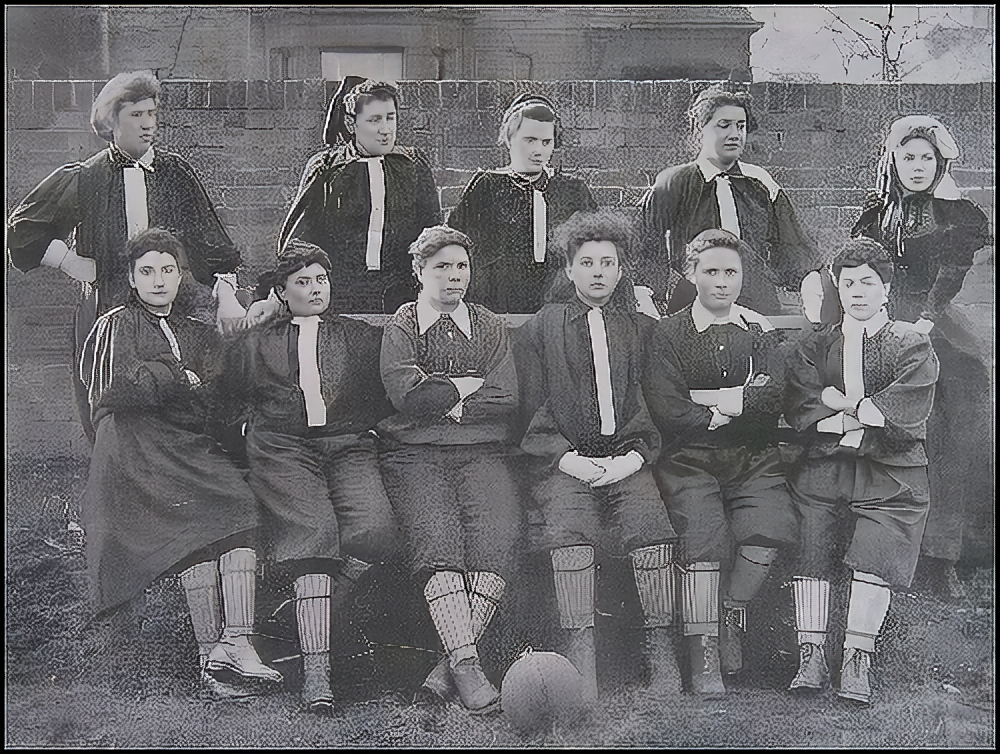
One of the most important figures in the early development of women’s football was Nettie Honeyball—a name that was likely not her real one. It is noteworthy that, in order to avoid public ridicule, women at the time played football using pseudonyms—so-called noms de football.
Honeyball, the daughter of a middle-class family from Pimlico, London, is considered the founder of the first women’s football club, the British Ladies’ Football Club. Her words in an interview of the time are telling, reflecting the alignment of women’s football with the broader social demand for female emancipation. Honeyball said:
“There is nothing ridiculous about the British Ladies’ Football Club. I founded the club at the end of last year, convinced of the need to show the world that women are not the ‘ornamental’ and ‘useless’ creatures men have pictured. I must confess that my convictions, on all matters where the sexes are so widely divided, are all on the side of emancipation, and I look forward to the time when ladies may sit in Parliament and have a voice in the direction of affairs, especially those which concern them most.”
In the club founded in 1895 by suffragette Nettie Honeyball also played Helen Matthews, one of the most iconic figures in women’s football, and among its members was Emma Clarke, the first Black woman footballer on record.
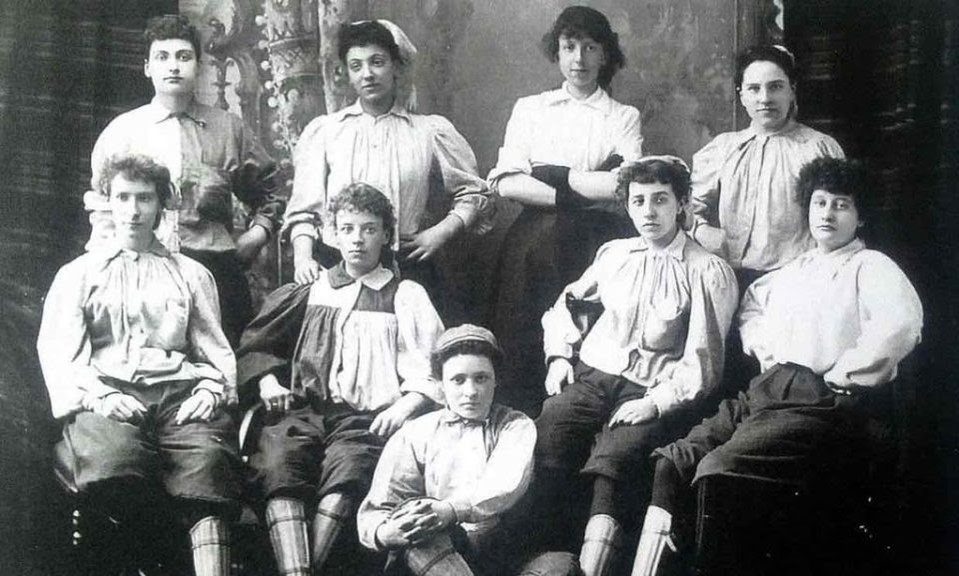
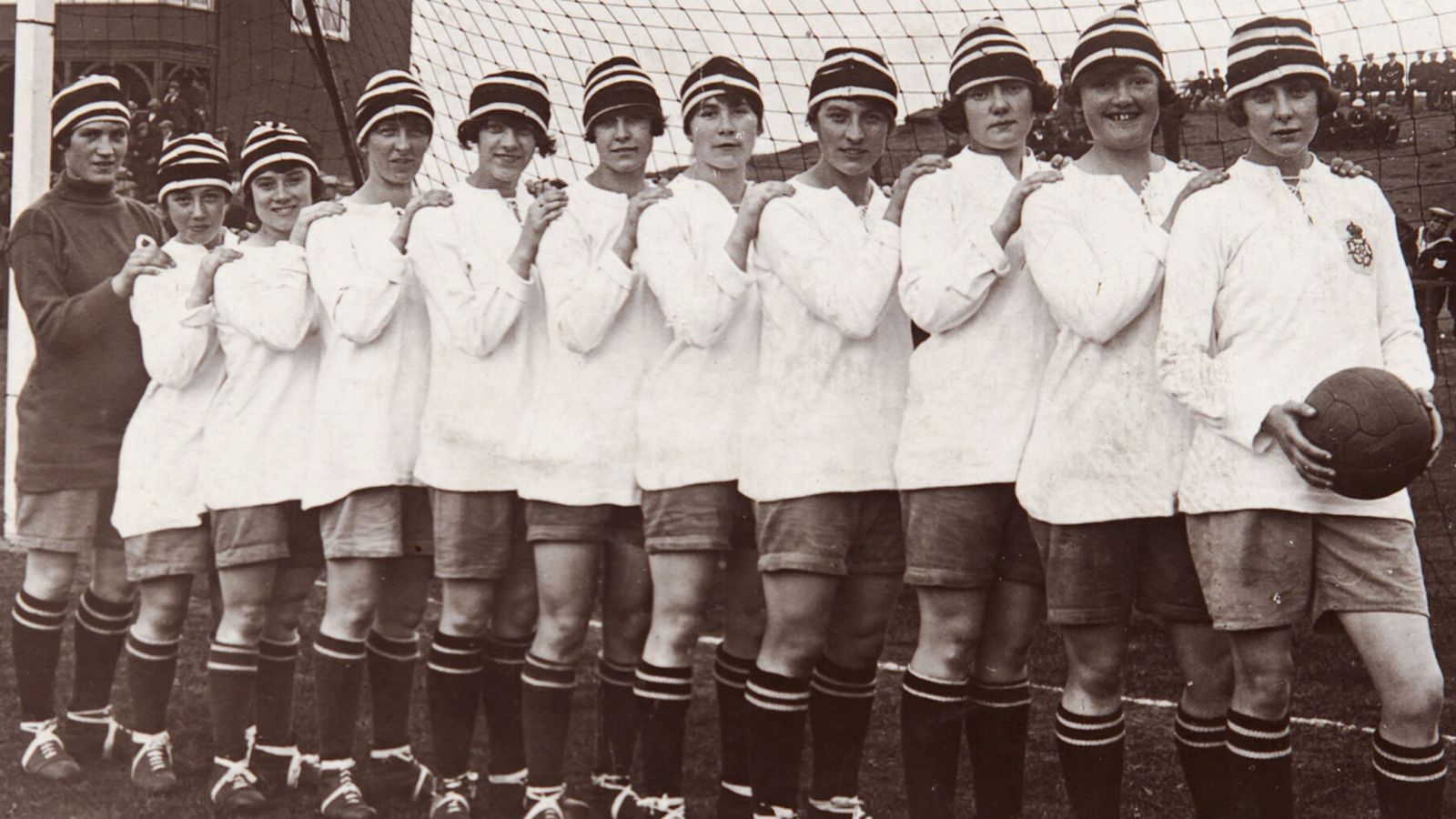
The major qualitative shift that propelled women’s football forward occurred with the outbreak of the First World War. Women, once confined to the role of housewives, were now required to become workers—replacing men in the factories as the latter were sent to the battlefields and the deadly trenches. It was within the factories that the foundations were laid for women’s collective consciousness and organization—perhaps for the first time within a social space where they shared their full lives: not just their working hours, but also their leisure time. In the exact same way that the earliest factory clubs had been formed, women began forming teams of their own. Among them, the legendary Dick, Kerr’s Ladies, named after the factory where they were founded, would leave an indelible mark on the history of the sport.
The club was born in a factory in Preston, the city near Manchester that had also produced England’s first working-class championship-winning team, Preston North End. From its founding in 1917, the women’s team progressed rapidly in both sporting performance and organizational capacity—ensuring its sustainability and ability to tour. Its fame spread across the country. Thousands flocked to the stadiums to see them play—whether out of curiosity or genuine admiration. And while some might argue that the decline in men’s football during the war made women’s football more attractive by comparison, this cannot explain the exponential rise in the team’s popularity after the war ended.
Dick, Kerr’s Ladies also hold a world football first. On December 16, 1920, a Thursday night, they played the first match in history under floodlights. The day before, a shipment of anti-aircraft searchlights arrived at Preston’s railway station, capturing the attention of the local press—and even attracting Pathé News, which came to document the historic moment. In front of 12,000 spectators, on a cold, starry night, the Preston women’s team won the first night game in football history, 2–0, raising £600 for war veterans.
But the truly historic moment came just days later. On December 26, 1920, the Dick, Kerr’s Ladies played at Goodison Park. A staggering 53,000 people passed through the stadium turnstiles, with another 14,000 left outside the packed ground. The legendary team won the match 4–0, with Lily Parr and captain Alice Kell starring. This match is widely considered to have pushed women’s football beyond the limits of tolerance for the sport’s male-led institutions—who began to fear that a women’s game outside their control might become more popular than the men’s.
The Football Association, which throughout the period of women’s football activity refused to recognize it officially as part of the sport, hoping the venture would fail, was forced in 1921 to take more drastic measures to stop this growing success. It issued an explicit ban on women’s football, warning that any club which assisted in the organization of women’s matches or made its ground available for such purposes would be automatically expelled from the Association.
This decision dealt a decisive blow to the development of women’s football. Without access to stadiums, the sport could no longer generate comparable revenues, and matches were reduced to informal games in parks and open spaces—played unofficially and without institutional support—until the ban was finally lifted in 1969.
Unlike the men’s game, which, once embraced by the working class, was swiftly reclaimed by capital and developed under the economic and political rules of the ruling class (who could not afford a direct confrontation with the vast numbers of workers), in the case of women’s football a different strategy was employed. The authorities understood that a total ban was within their power—and so they enforced it.
Even that bastion, however, would eventually fall. Today, capital treats women’s football exactly as it did men’s football more than a century ago—as a field to be cultivated, developed, and ultimately controlled for political and commercial gain.
Football and Social Legacy
British football of the 19th and early 20th century evolved hand in hand with the social developments of its time. In this evolution, it grew, traveled, and spread to every corner of the vast Empire, becoming even more beloved in the countries reached by British ships—carried there by sailors as the most exportable cultural product of their homeland and its distinct popular culture.
Through its history, football reflected all the great ideological tensions of the era: the industrial development of cities, the emergence of the working class, its growing awareness of itself as a distinct class with its own political goals and its position as an exploited group in capitalist society, the concentration of profit through the expansion of available markets—both domestic and abroad—and the ideological conflict between the elite’s power and the mass of workers, who were not only producers of wealth but also the lifeblood of the social phenomena born in the new capitalist world.
The character of the game itself changed—from the chaotic game of individual effort to the evolution of football tactics—culminating in a radical shift in the way the sport was played with the change to the offside rule in 1925. Its protagonists no longer wore the pressed uniforms of the colleges, but rather working overalls and the first football shirts—either commissioned by a factory owner or made by the clubs themselves. The stadiums became spaces of social connection, and the pubs emerged as an institution of British society, inextricably linked with the life of the working class and the sport of football.
The game of gentlemen was now being played by hooligans—and that identity gave birth to an entire global tribe that today counts in the billions.
Britain did not merely invent football as a sport; it shaped it into a social phenomenon before exporting it to the rest of the world—not through schoolteachers and priests, nor armies and officers, but through the working masses, who recognized in the game a unique expression of their own culture.
Understanding football requires a close examination of its birth and early development in England, because it is only when one returns to that origin that many modern phenomena begin to take on deeper meaning. The same meaning one finds in analyzing class conflict when studying that society—in the very era of the 19th century, of the Industrial Revolution, of Empire, of the industrial proletariat, and of the early steps toward women’s emancipation. And even if all these concepts have different names in every language, there is one English word—football—that is understood in every corner of the Earth.
