

On the afternoon of Wednesday, 25 November 1953, 150,000 spectators left Wembley having just witnessed one of the most influential matches in the evolution of world football. As is often the case in such moments, few may have grasped the historical significance of what unfolded before their eyes. Yet even fewer today, more than half a century later, place this event in its proper context. England’s defeat at Wembley went down in history not only because it was a heavy loss, but above all because it came in a match that England, for the first time, desperately needed to win in order to uphold its dominance in the sport—as the motherland of football. Admittedly, that dominance may have already been lost: in the 1950 World Cup, the English national team had been defeated by both the United States and Spain. Yet that tournament held little prestige in the minds of those in the British Isles. England had also suffered several defeats against the other teams of the United Kingdom, especially against Scotland’s combination game in the Home Championship, and had on occasion lost on European soil. Still, this was the first time a national team from continental Europe had beaten England on English ground— a match that had, even before kickoff, been elevated to the status of a national cause.
A few months later, on 23 May 1954, in the last match between the two teams before the upcoming World Cup in Switzerland, the Hungarians repeated their feat in front of an equally monumental crowd, this time thrashing the English 7–1, sealing the ascendancy of continental European football over that of the country that had invented the sport. In tracing this rise of continental superiority in the first half of the 20th century, one might identify two additional results—at club level—that hinted football was evolving faster in another corner of the continent. One was the historic first victory of a continental club over an English side, achieved on 20 May 1909, when Sunderland, having finished third in the English league and on tour in Central Europe, was beaten 2–1 by the Wiener Athletic Club. Of perhaps even greater significance was Chelsea’s loss in the final of the International Tournament of the Paris World’s Fair in 1937. That tournament, held only once, featured teams from Europe’s top leagues, with Chelsea representing the Football League, despite having finished 11th in the domestic competition. After winning a coin toss against Marseille in the quarterfinal and defeating Austria Wien 2–0 in the semis, Chelsea faced Bologna—coached by Árpád Weisz—in the final, where they were beaten 4–1.
All these results share a common denominator: the teams that beat their English counterparts came from a geographic region that developed football in a different manner—one that introduced new concepts not only in style of play but also in the sport’s overall culture, forming the foundation upon which modern European football was built. This footballing tradition, which went down in history as the “Danubian School”—a name that evokes the 16th-century Danube School of painting—is the root of all 20th and 21st-century European football, and it went on to influence Latin America as well.
Due to the temporal distance and the technological limitations of that era, few concrete traces remain of the playing philosophy in the countries of Central Europe. The names of the key figures in this story are now buried in books and clippings, while most eyewitnesses to their feats are no longer alive. Nevertheless, revisiting and bringing to light this unique chapter of European football history is essential for understanding the game itself.
The Football Expansion
In November 1895, Europe resembled a simmering cauldron, full of political and social tensions. The great liberal power of the time, France, was being shaken by the Dreyfus Affair—an event that marked a turning point in the emergence of modern European antisemitism—while only months earlier it had signed a military alliance with Tsarist Russia, foreshadowing the great clash between the new nation-states and the old multiethnic empires. In Austria-Hungary, which had essentially inherited the age-old Habsburg Empire, similar fermentations had begun to unfold, casting doubt over the cohesion of a state populated by dozens of ethnic and linguistic minorities. The Empire’s leadership, headed by Emperor Franz Joseph I, adhered to the ideology of preserving the old order domestically and pursued the same aim in European affairs at large.
Economically, this meant that a large part of the Empire remained largely rooted in agricultural production, with the Industrial Revolution and the growth of an urban proletariat taking hold primarily in the major cities—Vienna, Prague, and Budapest. At the same time, in Victorian England, workers’ unions were gaining strength and ideological battles were being fought on the terrain of class struggle. But in Austria-Hungary, the labour movement was fragmented, driven largely by separate national aspirations. This did not mean, however, that class-based movements did not also emerge. Especially in those major urban centres, a volatile mixture was forming within the working class, one that harboured potential conflict on every level: national and social alike.

Yet on the afternoon of Thursday, 15 November 1895, in the estate of Baron Nathaniel von Rothschild—a scion of the famed Jewish banking family—in the outskirts of Vienna, the atmosphere felt quite different. In the vast gardens of the estate, the team of a newly established sports club, the Vienna Cricket and Football Club, faced off against a side formed by Scottish gardeners, the First Vienna Football Club. The two clubs had been founded only months earlier, with First Vienna, as its name suggests, earning the distinction of being the city’s first football club on 22 August. The Vienna Cricket and Football Club was founded the next day, on 23 August, according to its constitution.
The players in the Rothschild garden were not alone. The match was attended by a sizable portion of Vienna’s elite, including local businessmen and aristocrats as well as diplomats—most notably, members of the British community in the city. For the ruling class of the Empire, after all, contact with the English sport meant a form of proximity to British culture, which it sought to emulate and absorb. This aspiration of the ruling class proved crucial in the development of football at the very heart of the European continent.
Vienna and the Rothschild lawn were not the only places where football found fertile ground. In Budapest, the first match between the local Cricket Club and Budapesti Torna Club (BTC) took place on 9 May 1897. In Prague, the city’s two major clubs—nationalist Slavia and class-conscious Sparta—incorporated football into their broader multisport activities. Back in December 1893, the nautical-sporting club Regatta, founded by German-speaking Jews in Prague, faced Viktoria Berlin in the first recorded match in the city’s football history. Viktoria Berlin was one of Germany’s earliest football clubs and had itself been established by English and British expatriates—members of the city’s diplomatic and industrial elite.
Even if it wasn’t the very first of its kind, the football match on Rothschild’s estate carries deep symbolic significance in understanding how football spread beyond the British Empire. In this part of the world, the British did not form a colonial ruling class. Nonetheless, Britain’s economic and diplomatic ventures had resulted in the widespread presence of Britons abroad—technicians, engineers, merchants, bankers, sailors, educators, and diplomats. The same held true on the European continent, where British investment and trade were highly active. The sectors most marked by British presence—railways, shipping, insurance, and finance—were those most closely tied to the export of technical know-how. A veritable British army of workers, whether skilled professionals with organisational knowledge or unskilled labourers driven simply by the entertainment value of organising football matches, became the fertile ground in which football took root and grew—not just in Europe, but around the globe.

This development of the sport outside the Empire, however, was fundamentally different from the way athletic culture evolved in the British colonies—something that still shapes the world’s sporting map today. In colonies like India, Australia, or South Africa, sports were transmitted mainly through military presence, colonial administrations, and Christian missionaries, forming part of a broader mission of morality and discipline. In those settings, the sports that flourished were the so-called “gentleman’s sports”—cricket and rugby—because they better aligned with this ethos of discipline, order, and self-restraint. Football, on the other hand, had already slipped out of elite control in the metropole and was increasingly embraced by the working classes—for a variety of reasons, including its simplicity and ease of play in urban environments. It was thus more easily carried abroad by a diverse mix of British workers, of all skill levels, and could more readily be imitated and absorbed by local populations. Still, this did not mean it instantly became the popular mass sport it would eventually become. The diffusion of football culture was decisively aided by local elites, who viewed participation in British sporting culture as a means of drawing closer to the British way of life—seen as a marker of progress and the foundation of modernisation.
These local elites took part either as athletes or organisers in the development of footballing culture, in collaboration with British experts in the sport. In this way, the first major European clubs were founded, bearing names that reflected their connection to Britain or British culture. A telling example are the early clubs of Vienna, with their English names: First Vienna and Vienna Cricket and Football Club. Similar examples can be found in other countries: Milan and Genoa, for instance, still carry the English versions of their cities’ names, having been founded by British expatriates in northern Italy. The names “Sporting Club,” “Athletic Club,” and “Foot-ball and Cricket Club” still testify to Britain’s direct involvement in the founding of football institutions—whether they were established exclusively by Britons or through partnerships between local elites and British elements within each society.
Assimilation in Central Europe
Among all European countries—many of which were emerging nation-states—Austria-Hungary was the one that possessed a unique combination of characteristics which allowed the new athletic pastime to flourish at a particularly rapid pace. Perhaps the most significant of these traits was the absence of a unified national identity. While this fact was a source of internal strife, it simultaneously provided fertile ground for the assimilation of incoming cultural influences. At the very moment, for instance, when France was aligning all aspects of public life with the motto of the “one and indivisible republic,” the lands of the Danube were witnessing an efflorescence of emerging football clubs—some embracing British models, others built around national identity, others still founded on class-based representation. Compared with Britain, where football clubs were primarily shaped by the class structure of society and the background of their supporters, the multilingual and multiethnic coexistence of Germans, Hungarians, Czechs, Slovaks, Croats, Serbs, Romanians, Italians, Jews, and Poles in Austria-Hungary added yet another crucial element that would prove decisive in the development of football culture.
The effects of this linguistic and ethnic diversity on football are most clearly visible in the football geography of the Empire’s major cities: Vienna, Budapest, and Prague. In Vienna, beyond the first two British-inspired clubs, the Jewish associations played a pivotal role in the sport’s local development—notably Hakoah and Wiener Amateur (which was later renamed Austria), alongside the working-class Rapid. In Budapest, Budapesti Torna—the country’s first football club—soon found itself amid rivalries with newly founded clubs like Ferencváros, a patriotic, Christian, working-class club with a largely German-speaking base, and MTK, a liberal, Jewish, cosmopolitan bourgeois association. In Prague, beyond the nationalist Slavia and the proletarian Sparta, there was DFC Prag, the club of the city’s German elite, while the national physical culture of the Sokol—based on gymnastics—was integrated into the methodological framework for football development.
A particularly telling example of multicultural coexistence shaping football culture can also be found in Italy, which at the time became part of this Central European football ecosystem. Although a nation-state—unified in 1861 through the Risorgimento—Northern Italy still bore the imprint of fragmented local languages and cultural traditions, a reality that, to some extent, continues to shape the country’s social evolution to this day. For centuries, Italy’s various cities had not merely belonged to different states, but functioned as independent geographic entities, their development determined by whichever power had most recently conquered them. This legacy of decentralisation and deeply rooted localism—where pride was placed in one’s city rather than the nation—fostered a unique context in which football clubs could grow rapidly, representing something greater than a neighbourhood or a factory, as was initially the case in Britain. Moreover, the outward-facing industrial triangle of Turin, Milan, and Genoa intensified cultural exchanges with the British element, while the academic traditions of cities like Bologna and Florence facilitated engagement with a broader spectrum of European cultural influences—something that would be reflected in the triumphant international football legacy of Italy’s first great academic city during the early 20th century.

These elements, beyond simply enabling the exchange of footballing knowledge through coexistence, also gave rise to a distinctive footballing culture. The sport’s deep social implications provided a platform for ideological—and thus intellectual—engagement. This disassociation of sport from the confines of mere physical activity attracted a significant share of intellectuals, who took an active interest in football, viewing it as a vehicle of cultural progress and modernisation rather than a vulgar pastime. The involvement of the elite in founding clubs and institutions was vital in securing the material conditions—within the era’s given political framework—necessary for the sport’s development. Funding, access to appropriate venues, the transportation of teams, and the creation of supportive infrastructure all required the contribution of the upper classes, who, within the prevailing ideological context, could invest in the sport’s expansion.
However, the development of Central Europe’s unique footballing culture was not sustained by material resources alone. British sport became a topic of discussion, analysis—even contemplation—within the urban intellectual spheres, long before the pitch itself became a site that mirrored these fermentations. Vienna stands out as a prime example of this process: in the early 20th century, it was a true metropolis of ideas. It is telling that in the Austrian capital at the time, and often within walking distance of each other, lived towering figures such as Sigmund Freud, the thinkers of the so-called Vienna Circle, writers like Zweig, Schnitzler, Kraus, and Altenberg, and artists such as Klimt, Schiele, Schoenberg, and Mahler—not to mention Trotsky and Stalin. These intellectual and political heavyweights would gather in the city’s famed cafés, which served as laboratories for thought, spaces of intellectual exchange and cultural contestation. From Café Central to Griensteidl and Herrenhof, these establishments were the invisible workshop of Viennese modernism. There, the ideas of the unconscious were born, alongside reflections on the fragmentation of the self, the end of Romanticism, the dawn of Modernism, and the great revolutions of the century about to unfold.

In contrast to the pub—which served as the centre of social ferment in Britain, with an equally important role in the development of social ideas as well as football—the café offered a different setting for approaching any topic. In the pub, conversations typically took place with participants standing, in a generally noisy atmosphere, holding a glass of beer. In the café, the same discussions unfolded in a far calmer environment, with people seated around tables arranged with a more refined aesthetic. The depth and complexity of intellectual pursuits could, under such conditions, be considerably greater, and their content was not strictly functional—it did not merely respond to an immediate need—but rather sought to transform an ideological position into material activity. Few today are aware that the conditions that sowed the seeds of some of the most influential ideas in philosophy, the sciences, the arts, and revolutionary theory were the very same conditions that laid the groundwork for the modern conception of football.
And if Vienna and its cafés were a microcosm of Europe before the First World War—a space where culture and modern consciousness were produced—then at the same time, in the cafés of Budapest, the liberal bourgeoisie (predominantly of Jewish origin) approached football as part of their pursuit of excellence and emancipation within a culturally discriminatory environment. At the universities of Prague, students envisioned the development of a national athletic culture. In the industrial North of Italy, the circoli gathered in the birrerie, transforming them into the spaces where new, diverse football clubs were formed and where the national identity of the sport was debated—as a mirror of a still-unfinished and elusive national identity of the state itself.

If the elites were the intellectual architects of football’s development, it was the working class that was the sport’s lifeblood—and its mass participation was, in Central Europe too, the primary cause of its expanding social reach. The Scottish gardeners of the Rothschild estate were the bearers of the so-called combination game in their new place of settlement—a Scottish style of play that had also been adopted by English working-class teams—and perhaps, unwittingly, they instilled the core principles of Central Europe’s tactical football development. At the same time, football became the favourite pastime of the local working class, of the urban youth in the cities of the Austro-Hungarian Empire, who used every space and every available object to kick a ball—or something resembling one—and from within the guts of the newly emerging urban landscape created the great footballing heroes of the future.
The most emblematic historical and literary testimony of this process is found in The Paul Street Boys, the novel by Ferenc Molnár, first published in 1906 and set in Budapest in 1889. In this youth novel, a gang of boys defends, as if it were their homeland, an open lot in the Jószefváros neighbourhood of Budapest—the city’s 8th district—a densely populated working- and lower-middle-class area that was also the birthplace of Hungary’s first football club, Budapesti Torna Club. The importance of Molnár’s narrative does not lie so much in its depiction of organised sport, but rather in the space itself where the sport encountered the children of the working class. This open lot—the grund—was a common feature in the geography of Budapest’s reconstruction during the years around the turn of the century. In the novel, the heroism of the children defending the lot as their playground is exalted, yet in reality, these were the “fields” of Budapest’s youth—hard grounds with dirt and stones—that shaped the technical development of the best among them, who would go on to become players in the city’s major clubs. Early team scouts would roam the grunds to spot talents who would later change the course of a great national football school.
Although there is no legendary equivalent concerning the open spaces of other cities, the children of Vienna found vacant lots in the courtyards between apartment blocks, empty construction sites, and railway warehouses, especially in districts beyond the Ringstrasse such as Ottakring, Favoriten, and Meidling. Similarly, in Prague, the working-class neighbourhoods of Karlín and Žižkov were full of schoolyards and courtyards that served as the cradle of Czech football’s great heroes.
In this way, football was everywhere, embraced by every social class. In the working-class neighbourhoods, children played spontaneous games in open spaces; the newly founded clubs, supported by local intellectuals and British expatriates, were organised with statutes, officials, and infrastructure; local talent was subsequently developed in new pitches, large stadiums, and gymnastic facilities; until the great clubs representing every class, ethnic group, or linguistic community grew into powerful institutions and became mirrors of each group’s distinct pride. These clubs did not limit themselves to footballing activities: beyond organising social leisure events—such as dances, which remain a staple activity of football clubs worldwide—they established clubhouses that served as extensions of the café, providing space for discussions on football mentality and tactics. They also frequently organised seminars and workshops where ideological engagement with football’s development found fertile ground to shape a previously unseen and—as history would prove—precious and unique sphere of footballing culture, recorded and reproduced by the press of the time.
The Thread of a Philosophical Transfusion
Edward Shires
In seeking the most influential personalities who shaped Central European football through their thought and multifaceted experience, one unravels a thread that begins with Edward Shires. Born in 1878 in Bollington, Cheshire, Shires worked as an employee at the Underwood company, which produced typewriters in Manchester. It was there that he appears to have come into contact with the combination game—that is, the Scottish style of play adopted by English working-class teams in the late 19th century. However, at the age of 17, Shires moved with his father to Vienna, as Manchester’s climate was detrimental to his health. There, alongside selling typewriters, he also became active in the import of sporting goods.

This activity, combined with his strong presence in Vienna’s British circles, brought him into contact with other members of the local elite of expatriates, among them Harold William Gandon, with whom he developed a personal friendship. When Gandon won the first Austrian tennis open in history, held in Prague in 1894—defeating the German player Voss in the final—representatives of the sports club Regatta (founded in 1891 by the German-speaking segment of the Czech metropolis, and which had formed a football division in 1893) handed Gandon a letter addressed to a Viennese football team, in which they expressed their wish to play a friendly match. Upon returning to Vienna, Gandon passed the letter on to Shires, who decided, for this purpose, to create the city’s first football team, naming it First Vienna.
However, this choice of name revealed that a team with that name already existed in the city—founded by the Scottish gardeners of the Rothschild estate on 22 August 1894. Thus, Shires made contact with them, initially to organise the historic match of 15 November against the fully British side Cricket and Football Club, and then for the two clubs to unite in order to face Regatta in Prague—winning that international interclub match with a score of 2–1.
John Tait Robertson
Shires evolved into a prominent figure of early Austrian football, even representing the national team and serving as its captain in one match. In 1904, however, the Underwood company wished to transfer him to Budapest to support its operations in the Hungarian part of the Empire. There, Shires joined the ranks of MTK, a club founded in 1888 that established its football department in 1901. From 1905, the president of MTK was Alfréd Brüll, a Jewish industrialist who remained at the helm of the club until the Second World War. Although MTK finished third in its debut season in Hungary’s national championship, the Nemzeti Bajnokság, and won the title in its second season, this period also marked the beginning of the first major dominance by the city’s German-speaking working-class club, Ferencváros, which would go on to win eight championships within a decade.

Under these circumstances, Shires—who had become a key figure within MTK—proceeded, with Brüll’s backing, to decisively strengthen the club, with the most significant decision being the recruitment of a coach capable of reshaping its footballing style. As an admirer of Scottish football, with its short passing and collective build-up, Shires identified John Tait Robertson as the ideal candidate for the coaching role. Robertson, a Scotsman who had won three league titles with Glasgow Rangers, had later become a player-manager at Chelsea, though he resigned before the London club achieved its first-ever promotion to the top flight. Shires approached Robertson while he was working as an assistant coach at Manchester United and, using his contacts within British industrial circles and the financial resources of Brüll, succeeded in bringing him to Budapest.
Although Robertson did not manage to win the championship from Ferencváros during his two-year tenure at MTK, he did win the Cup twice. Nevertheless, his contribution is considered far more significant, as he radically restructured the training programme and the style of play, influencing the development of Hungarian and Central European football for the decades to come, and laying the foundations for the major qualitative leap that was to follow.
Jimmy Hogan
After Robertson’s departure, Shires appointed Robert Holmes—footballer of the golden generation of Preston North End—as head coach. Holmes had won the English championship as coach of Blackburn in 1912 and, coming from the same footballing school of the combination game as his predecessor, helped MTK reach glory in the 1913–14 season, winning both the Hungarian Championship and the Cup. But in 1914, the political developments on the European continent brought to MTK a figure who is considered by many the father of football tactics—every school and philosophical approach to the game that has since emerged shares roots that lead back to him: Jimmy Hogan.
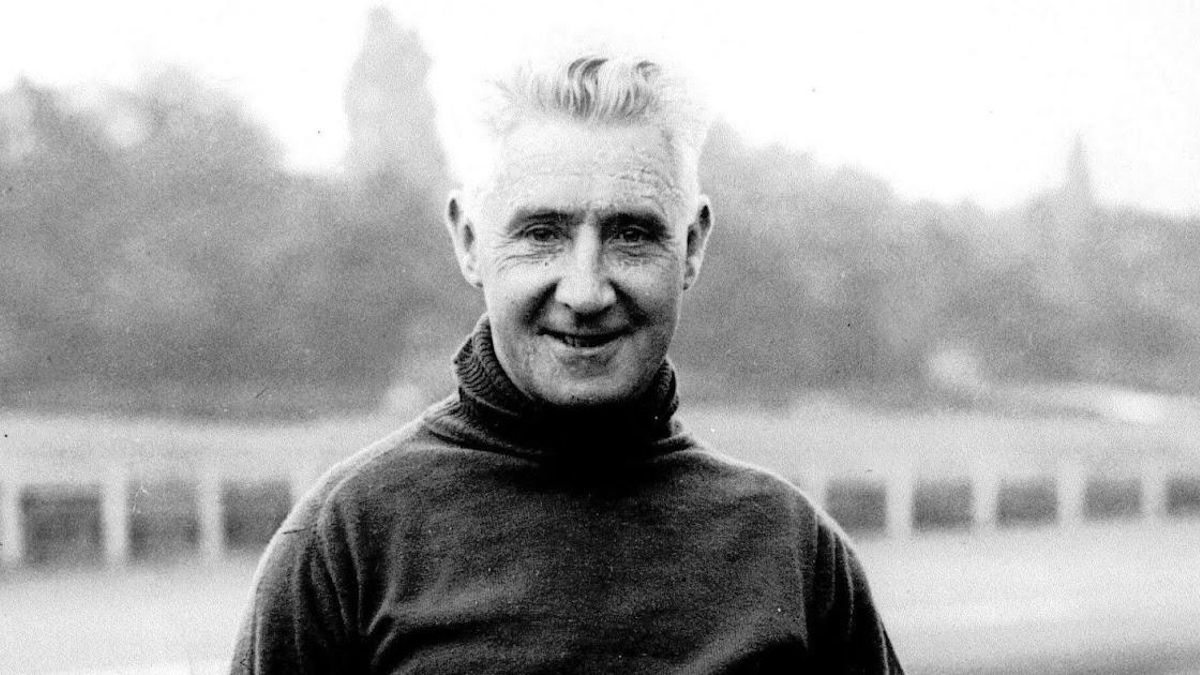
Hogan was born in 1882 in Nelson, Lancashire, to a working-class Irish Catholic family. He grew up and attended school in Burnley, completing his studies at St Bede’s priest college in Manchester, though he did not pursue the priesthood, which had been his father’s dream. His football career began at Rochdale Town, where he played as an inside forward, and he later moved to Burnley. After a brief stint at local side Nelson, he joined Fulham, where he made 18 appearances. Following a shorter spell at Swindon Town, he transferred in 1908 to Bolton, where he would experience an event that would not only change his own life but also shape the trajectory of European football.
In a pre-season friendly, Bolton played against Dutch side Dordrecht. With a vast gap in footballing quality between the two nations, it was no surprise that Bolton won 10–0. However, it was precisely this gulf in footballing understanding that inspired Hogan to take over at Dordrecht in 1910, in order to transmit the principles of British football as they had been formed in the early 20th century.
During his two years as Dordrecht’s coach, Hogan also led the Dutch national team in a friendly match against Germany, which the Netherlands won 2–1. His growing reputation appears to have brought him to Austria for the first time, where he coached Wiener Amateur—later known as Austria Wien—intermittently between 1911 and 1912. At the same time that Hogan was coaching in the Netherlands and Austria, he was still making appearances as a player for Bolton, with whom he played 54 matches in total by 1913, scoring 18 goals.
His frequent travels among the three countries are not fully documented, but what is certain is that with the outbreak of the First World War in August–September 1914, Hogan was in Vienna. There, as a British subject, he was arrested as a citizen of an enemy state and placed under house arrest. This detention activated a network of influential figures—among them the Austrian Hugo Meisl, then federal coach of the Austro-Hungarian Empire; the British Blyth brothers, one of whom, Ernest, had been a founding member of the Cricket and Football Club; as well as Shires, Brüll, and Baron Dirstay on behalf of MTK—to help Hogan escape to Budapest, where he would enjoy relatively greater freedom and take over the club’s technical leadership.
Hogan was the ideal successor to Robertson’s legacy at MTK and precisely the figure Shires had been searching for to build the great team of the era—one that would win ten consecutive championships, six of them under Hogan’s direction. Starting from the foundation of the combination game, Hogan insisted on developing elements that were completely unknown to the European game at the time: one-touch passing, ambidextrous ball control, maintaining possession and control under pressure, coordinated lines of play, collective pressing, team-based buildup, and reading the passing options in every game scenario.
In essence, Hogan found in MTK fertile ground to cultivate tactical innovation, not only because of the club’s context but also because—by virtue of his nationality—he was perceived as more experienced and capable of instilling the “correct” way to play. At the same time, in England, a coach enjoyed less personal freedom, even if football was developing faster there due to its broader and longer-standing professional foundation.
It was during this period, when Hogan was first gaining attention within football circles while moving primarily between Vienna and Budapest (and also spending time in Switzerland with Young Boys), that one of the most significant friendships in the history of football was formed.
Hugo Meisl
One of the most influential figures in the history of world football, Hugo Meisl regarded Hogan as the Prometheus of football philosophy—the foundational figure upon whom European football could be built. Meisl was a multifaceted personality, exceptionally gifted in many fields, all of which he placed in the service of football’s development during his era. Born in 1881 in Maleschau (Malešov) in Bohemia, then part of Austria-Hungary, to a Jewish family, he moved to Vienna in 1895, where he began working as a bank clerk and played as an outside forward for the Vienna Cricket and Football Club. A cosmopolitan and a polyglot—fluent in English, French, and Italian, in addition to his native German—he had the ability to exert influence on an international level, forming close friendships with some of the greatest visionaries of European and global football, including the first FIFA president Jules Rimet and Henri Delaunay, the visionary behind the idea of a unified European football space and later the first general secretary of UEFA.
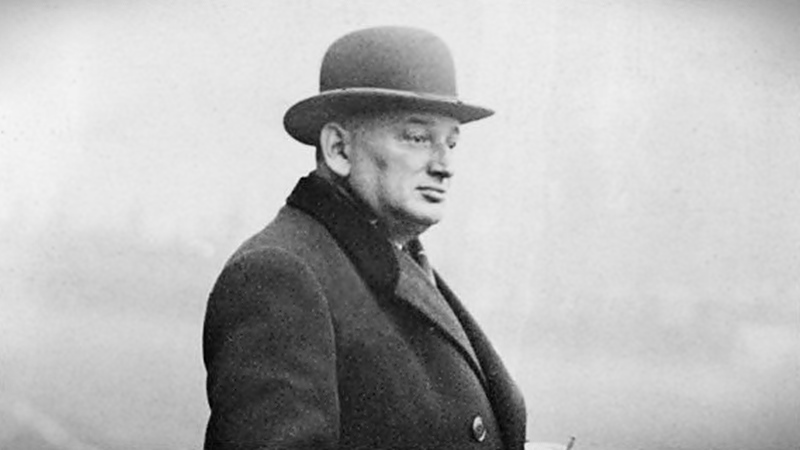
Meisl was the ideal embodiment of the Viennese conception of football as a deeply ideological sport with a distinct and broad social dimension. He was the architect and chief implementer of a series of footballing institutions that transformed the game in the early 20th century and shaped its identity permanently. A frequent presence in the cafés of Vienna, he discussed the evolution of football tactics there, developing professionally from bank clerk to journalist, from general secretary of the Austrian Football Federation to international referee, and eventually national team coach of Austria-Hungary in 1912.
His relationship with Hogan helped him place emphasis on ground-level passing play and laid the groundwork for his great project that would leave its mark on global football during the interwar years. Always positioned at key nodes within the international footballing network of officials, it was Meisl who effectively brought Hogan to Austria for the first time. When the German federation sought Meisl’s opinion regarding the British coach for the position of national team selector, Meisl seized the opportunity—not wanting the man he admired to lead a rival national side—and instead offered Hogan the position of coach for Austria-Hungary, with the aim of preparing the team for the 1916 Olympic Games, which ultimately never took place.
As history would have it, this move would instead bring Hogan to Budapest and to MTK, while maintaining a close relationship with Meisl, who was simultaneously advancing football in Vienna.
This quartet of towering figures, the founding fathers of Central European football—later known to history as the Danubian School—left their indelible mark precisely because the conditions allowed their work to unfold unhindered, supported by powerful social forces and the material means to sustain it. Football, which had passed from the gardens of the nobility to the streets of the cities and was now organized in modern facilities housing major clubs, was being played—by the early years of the 20th century—in stadiums with capacities of 70,000 and 80,000 spectators.
In Austria, the first football institution was launched in 1897: the Challenge Cup, originally a cup competition involving only teams from Vienna. From 1901, however, with the participation of Bohemian clubs such as Ceski and Slavia, the competition became multinational—even if it remained within the same imperial political entity. The final that year, between Slavia and Wiener Amateur, was essentially the first international official interclub match in football history, won by the Austrians 1–0, with Josef Taurer scoring the only goal. Ferencváros was the first team to break the Viennese dominance in the competition in 1909, thus securing the only title ever won by a non-Viennese side in the short history of the tournament, which was held for the last time in 1911.

The end of the Challenge Cup coincided with the launch of the Austrian national league, whose first season was held in 1911–12, with Rapid winning the title and the Vienna Cricket and Football Club being relegated. In Hungary, the first championship—featuring five teams in a single round-robin group—was held in 1901 and won by BTC. In the Czech lands, a national championship—more akin to an emerging tournament format—existed as early as 1896, organized in two seasons, much like the system in modern-day Argentina. In Italy, the first national league began in 1898, marked by the dominance of Genoa and a title won by the other British-founded team, Milan, in the competition’s early phase. With the establishment of the so-called Prima Categoria in 1904, Genoa once again came out on top, winning six of the first seven editions.
Football’s reach in society was comparable to that of cinema, surpassing art forms such as visual arts, music, and literature. In Vienna, a popular saying encapsulated this cultural distribution: “Father’s beer, mother’s cinema, brother’s football.” This social rooting of the sport, which in England had emerged through sweeping changes in urban demographics and tectonic shifts in modes of production—therefore transforming the daily life of the working class—occurred much more rapidly in Austria-Hungary, underpinned by an ethnic mosaic that had perhaps outlived the historical timespan it was granted. Major changes would soon reshape the empire’s territory, but they would not halt football’s development—on the contrary!
The Trenches
In the summer of 1914, Wiener was crowned Austrian champion for the first time, winning the title on goal difference over Rapid, while First Vienna—the pioneering club of the Austrian capital—was relegated to the second division. In Hungary, MTK seized the throne after Ferencváros’ period of dominance, while in Czechia no championship was held, with Slavia Prague retaining the crown from the previous year. In Italy, Casale triumphed over Lazio in the final of the Prima Categoria, winning the first and only title in its history. These were the last championships to be held under peaceful conditions…
On the 28th of June, the heir to the Austro-Hungarian throne, Archduke Franz Ferdinand, arrived in Sarajevo to inspect military exercises by the Austro-Hungarian administration in Bosnia-Herzegovina. The region had formally come under Austro-Hungarian control by the Treaty of Berlin in 1878—an agreement that essentially lit the fuse of History in the Balkans, expressing both the imperial ambitions and rivalries of the great powers of the age, as well as the last attempts to preserve the Eastern European empires. However, the area remained de facto an Ottoman province until 1908, when the rise of the Young Turks and instability within the Ottoman Empire prompted Austria-Hungary to secure its imperial holdings in the Balkans by fully annexing the province. This move ran directly counter to the national aspirations of the Serbs, who had also gained their own nation-state via the Treaty of Berlin.
The Archduke, in a symbolic gesture, chose to make this visit on Vidovdan—the anniversary of the Battle of Kosovo—an event considered the first patriotic sacrifice against the dominant Ottoman Empire and one that functioned as a foundational myth of Serbian national consciousness. Thus, the heir to the Austro-Hungarian throne sought to demonstrate the iron fist of his Empire, which had the might to impose itself on smaller national states, in one of Europe’s perennial arenas of inter-imperial conflict. That choice, however, proved fatal: Gavrilo Princip, a member of the Serbo-Bosnian paramilitary group Black Hand, assassinated the Archduke and his wife Sophie. In an era already reeking of gunpowder, with an arms race underway among the emerging national capitalist states and the multinational empires for nearly half a century, Princip’s trigger unleashed something far greater than the bullet in his gun: Europe would be radically transformed, and History would mark the end of the empires. Along with those empires, however, came the end of approximately nine million human lives, in a four-year military conflict then called The Great War.

The end of the Great War resulted in the fragmentation of the Central Powers’ empires—that is, the German Empire, the Austro-Hungarian Empire, and the Ottoman Empire—into a series of national states. Thus, the Kingdom of Yugoslavia was formed in the Balkans; Austria, Hungary, and Czechoslovakia emerged from Austro-Hungarian lands; the Weimar Republic was born in Germany; while the Treaty of Brest-Litovsk opened the path for the creation of Poland, Lithuania, Estonia, and Latvia. During the same period, the October Revolution gave rise to the first workers’ state in history—Soviet Russia, and later the Soviet Union—which would play a decisive role, especially in the ideological developments affecting the political evolution of these new national states.
During the years of the so-called trench warfare, football did not stop. In its birthplace, England, the level and intensity of competition may have declined, but the game continued to serve as an outlet for the working masses, who—especially under the burden of wartime conditions—sought the emotional relief offered by the sport. Women, who replaced men in the factories while the latter fought in the trenches, formed their own football teams, writing golden pages in the history of the game—so impactful that they were deemed dangerous and led, in the postwar period, to a ban on women’s football for nearly half a century. Many soldiers, exhausted by a war in which they no longer understood why they were being asked to die, returned home and found themselves in the football grounds, declaring themselves unfit for further conscription.
In Austria, Hugo Meisl’s Wiener Amateur won the 1915 championship, followed by the working-class club Rapid reclaiming the crown in 1916 and 1917. In Hungary, the championship was suspended for two seasons, but in the midst of the war, MTK continued its dominance under Jimmy Hogan, winning the titles of 1917 and 1918. In Czechia, DFC Prag—the heir to Regatta’s legacy—won the 1917 championship, with Viktoria Žižkov, another team from Prague’s German-speaking section, finishing second. In Italy, however, only the 1914–15 season was held, won by Genoa, who topped the final round against Torino, Inter, and Milan—but they would not receive the title until after the war.
Although the end of the war marked the defeat of the Austro-Hungarian Empire, for Danubian football it signaled the beginning of its most brilliant era—perhaps because the same could be said of the hopes of these peoples for the day after, in a world at peace.
The Age of Lost Dreams
In the newly formed Austria, the day after the Great War gave rise to a fundamentally bipolar state, marked by a deep political and social imbalance and contrast between the capital, Vienna, and the rest of the country. The workshop of Austrian football, however, was the cosmopolitan capital—and on the grounds of developments taking place there, some of the most fascinating processes unfolded, transforming Austria into perhaps the greatest footballing power of the era. From 1919 to 1934, the city’s municipal administration came under the control of the Social Democrats and the SDAP party. In an ideological contest with the Austrian communists, the Social Democrats advocated for a transition to socialism through the instruments of governance offered by bourgeois power—a stance which, whenever it occurred in history, before or after that period, always began impressively and ended tragically. Nevertheless, the striking transformation toward socialism, the so-called “Red Vienna,” was manifested in the construction of workers’ housing—foremost among them the Karl-Marx-Hof complex—as well as in reforms to public health, education, childcare, and popular culture. This socialist utopia, which had become everyday reality for Vienna’s workers, fueled the hostility of the conservative provinces, gradually undermining its existence until the final clash and collapse in 1934 under the regime of Engelbert Dollfuss. Yet these years were decisive for the rise of Viennese—and thus Austrian—football, which became the realization of the ambitions of an elite circle of intellectuals.

Within these conditions, the debate over professionalism in football reappeared in a new form, now with greater philosophical depth. In Britain, professionalism had existed from quite early on—about a decade after the founding of the Football Association—and had been achieved as a demand of the working-class clubs, which otherwise could not provide their players with the free time needed for training and matches, since they had to work to survive. However, under the Social Democratic regime of Vienna, nearly half a century later, the introduction of professionalism was associated with the commodification of the game—something that had also occurred in Britain—bringing it once more under the control of the ruling class. Thus emerged a moral and ideological question that endures to this day: is professionalism inherently bound to the capitalist exploitation of the sport? The history of the world in general—and of football in particular—has shown that the only thing inherently tied to the nature of the game is its economic base, the political and social system of each era. Professionalism is necessary for athletes of all social classes to be able to participate and excel in the sport. However, its commercial exploitation as a product, or its elevation as a social phenomenon representing ideological or even philosophical doctrines, depends on the type of economy in which it exists. In a capitalist economy, it will be a commodity; in an economy with collective ownership of the means of production and corresponding control over the wealth produced, it is a non-commercialized need and a universal right.
In liberal and social-democratic Vienna, it was perhaps logical for the argument of professionalism’s necessity to prevail—something that did not happen in other countries such as France or Germany, where, although a football market already existed in the sense of player transfers, footballers were still not officially allowed to receive wages for playing. The pioneer of this process, and essentially its ideological architect, was Hugo Meisl, who naturally highlighted all the ways in which football was already a marketable product—through the sale of tickets, which were tied to player transfers and thus to club performance. Moreover, he pointed to the economic relationships within pre-professional Austrian football, including informal payments to players in the form of compensation for symbolic employment in other institutions—a practice repeated many times in history by regimes that claimed to defend the amateur spirit. Football, with crowds of 40 to 50 thousand attending top-tier matches, was already a business—the only question was whether players would also be considered employees within it. This shift also led to the founding of the first footballers’ union in continental Europe, with Josef Brandstetter—defender and captain of the working-class club Rapid Vienna—as its president.
Developments in Vienna directly influenced the leagues of Czechoslovakia and Hungary, which, though no longer part of the same state entity, maintained a vibrant network of communication and cooperation among their three capitals. This network played a crucial role in spreading the same ideas and decisions swiftly from one country to the next. Thus, Austria’s first professional championship began in the 1924–25 season; the following year saw the launch of the first professional league in the newly established Czechoslovakia; and two years after Austria, Hungary introduced its own professional league.
Czechoslovakia’s post-war course also resembled a utopia—though not due to the dominance of socialist ideas. The new state encompassed the Sudetenland—a German-speaking region with many inhabitants seeking unification with one of the German states, either Austria or Germany—thus planting the seeds of future negative developments. It also included Bohemia and Moravia, Slovakia, and Subcarpathian Ruthenia. As a result, Czechoslovakia, which had never before existed as an independent country, remained a multiethnic entity. Beyond the Czechs, its territory was home to Germans, Hungarians, Slovaks, and Ruthenians—an Eastern Slavic ethnic group.
The new bourgeois democracy of Czechoslovakia essentially borrowed the same ideological tools previously used in Austria-Hungary, using football as a vehicle for social and national cohesion. As for titles, these were almost exclusively contested between Slavia and Sparta Prague, with the German-speaking Viktoria Žižkov winning only the 1927–28 championship. Nevertheless, the regime supported the development of clubs representing all ethnic groups, using the unified space of the new national league as an embodiment of the emerging national identity.
The interwar period in Hungary was, however, far more turbulent from the outset. Hungary declared independence from Austria-Hungary in 1918, with the end of the Great War. Just a few months later, in March 1919—unlike the social-democratic utopia of Vienna—the Hungarian Soviet Republic was established under the leadership of Béla Kun, a Jewish officer of the Austro-Hungarian army who had been captured by the Russians in 1916 and sent to a prisoner-of-war camp in the Urals, where he came into contact with the Bolshevik Party and subsequently founded the Hungarian branch of the Russian Communist Party. Within the Bolshevik movement, Kun opposed Lenin, accusing him of adopting conciliatory tactics with the great powers during the period of armistice negotiations aimed at ensuring Russia’s exit from the First World War. Kun instead aligned with other left-wing radicals, or so-called “ultras,” such as the Italian Terracini and the Hungarian Rákosi, around the ideological line of Grigory Zinoviev and Karl Radek.
Upon returning to Hungary, Kun organized the Communist Party, rallying to his cause a significant portion of Budapest’s educated and hyperactive Jewish community, and launched a war—literal as well as ideological—against the Social Democrats, which led to the establishment of Soviet rule on 21 March 1919. Yet while Kun was organizing the struggle against the Social Democrats of the capital, the reactionary nationalist forces were themselves mobilizing—with the support of Romanian nationalists and under the leadership of Admiral Miklós Horthy—to bring down this far-left experiment. The regime was overthrown in August 1919, marking the beginning of a period of terror against every progressive element in the country, accompanied by an aggressive antisemitism that would culminate during the Second World War.
Horthy’s White Terror suffered a severe blow in June 1920, when Hungary, through the Treaty of Trianon signed at Versailles, lost about one third of its territory. From that point onward, the country would live in constant tension between progressive forces and trends of extreme irredentism.

Budapest’s Jewish community, which had played a prominent role in the development of football in the Hungarian capital, naturally became a target of the new regime. However, the community’s deep assimilation into Hungarian society—as well as the consequences paid by a multiethnic state aspiring to become a national one—acted as a deterrent. Thus, after 1920, despite the persistence of systemic antisemitism, the pogroms and persecutions came to an end. The regime’s terror apparatus would now primarily target political opponents rather than ethnic minorities.
Nevertheless, the White Terror had already driven Jimmy Hogan away. Although it was never officially stated that he lost his position as coach, during that period he worked in Switzerland for Young Boys. Other Jewish players, such as the Konrád brothers, Kálmán and Jenö, transferred to Hugo Meisl’s Wiener Amateure, while Péter Szabó joined the ranks of Nürnberg. These losses did not seem to hamper the international supremacy of MTK; the tour it conducted in Germany during the summer of 1919 drew large crowds, and the results against inferior German teams were triumphant. In fact, after the match against Bayern Munich—played in front of 10,000 spectators and ending in a 7–1 victory for the Hungarians—Bayern began rethinking its footballing philosophy with the aim of adopting the principles of Danubian Football.
At that time, another major figure of the game—who played a decisive role in exporting Central European football philosophy to Switzerland and Latin America—stepped in to fill Hogan’s absence: Dori Kürschner. Also of Jewish origin, Kürschner left in 1920 to formally take over coaching duties at Nürnberg. Yet despite the unrest, MTK continued to dominate domestically, winning the championships of 1920 and 1921 in addition to the one of 1919. For the 1921–22 season, the club hired another representative of Manchester’s working-class football culture, Herbert Burgess. After first playing for both Manchester City and United, Burgess joined MTK during the war years as a player and eventually led the team as coach to the 1922 championship title. That season, during which MTK suffered just one loss in 22 matches, saw the debut—though only for a single year—of another legendary figure produced by the Budapest club: Béla Guttmann, also of Jewish origin, who would go on to become a seminal coach and mentor to other key proponents of entire footballing philosophies, as well as to great football stars. Guttmann, however, like many other Jews, quickly departed for Vienna, seeking refuge in the more welcoming environment of the Austrian social-democratic capital.
In this same postwar period, Italy—having broken away from the Central Powers and fought on the side of the Allied Forces—found itself among the victors of the First World War. Still, it faced serious difficulties. The breakup of Austria-Hungary brought the Italians only minor territorial gains, and their victory came to be known as a vittoria mutilata, a “mutilated triumph.” Postwar inflation, unemployment, and soaring prices prevented the working masses from achieving decent living conditions. At the same time, under the influence of international developments, workers’ unions and socialist, communist, and anarchist movements were growing in size and strength. The Italian bourgeoisie felt the threat of a communist revolution looming, and in its search for a way out, it found its “savior” in the form of a reckless figure cast out from the Socialist Party.
Benito Mussolini, capitalizing on his knowledge of mass propaganda and exploiting the nationalist ambitions of the postwar Italian bourgeoisie, created the first armed squads of Blackshirts, who targeted every revolutionary worker element. In 1922, during the infamous “March on Rome,” King Vittorio Emanuele III entrusted him with forming a government. The fascist party gradually consolidated its authoritarian power, abolished all other parties, and intensified political persecution. Nonetheless, it maintained friendly relations with neighboring Austria, fearing a German offensive, which was considered the gravest threat to Italy’s national sovereignty.
As paradoxical as it may seem today, with the benefit of historical hindsight, the early years of fascist rule in Italy were not marked by racial persecution—especially not of Jews, who constituted a significant part of the population of the relatively newly formed state. As a result, a number of Jewish coaches and footballers from the dominant Hungarian school began to filter into Italy, where they could work under far better conditions.

Regarding the national championship, the pre-war powers of the industrial north continued to dominate, with the early titles won by Inter (soon renamed Ambrosiana by the fascist regime), Pro Vercelli, Genoa, Bologna, and Juventus. Among these teams, Bologna was the one whose characteristics most closely reflected the identity of Central European football. Based in a quintessentially academic city, the club had been founded by a nationally diverse mix of educated immigrants and locals who had learned the game in neighboring Austria and Switzerland. Even its colors came from the Schönberg College in Rossbarg, Switzerland, where its first captain, Arrigo Gradi, had studied and played football for the first time. This identity of Bologna played a role in the spectacular history it wrote during the golden age of Central European Football, or what came to be known as the Danubian School. Coach of the team during its first championship win in 1925 was the Austrian Hermann Felsner, who led Bologna from 1920 to 1931 and again from 1938 to 1942. He came from the school of Wiener Sport-Club, one of Vienna’s earliest athletic and football clubs, founded in 1883 and establishing its football section in 1907.
In 1926, with the Carta di Viareggio that the Italian Federation submitted to the fascist government, professionalism was formally introduced in Italy. The previous league formats were dissolved, and the Divisione Nazionale was created. In the final round of the championship, which included six teams, Torino finished in first place, ahead of Bologna. However, the title was revoked after a corruption scandal was uncovered: officials from Torino had bribed Juventus players to ensure victory in their head-to-head match—which they ultimately won, 2–1—thus securing the championship. Torino would go on to officially win the first professional title the following season, topping the eight-team final tournament ahead of second-place Genoa.
In the course of their post–Great War reconstruction, all the countries of the Danubian School underwent tumultuous political transformations, with democratic and anti-democratic regimes being established and ultimately prevailing. However, in footballing terms, despite the political turmoil that disrupted the working conditions of many of its key figures, the sport became professional in all these countries—almost half a century after its metropolis, England. The advent of the professional era would open the door to the golden period of this School of Football, with the creation of unprecedented institutions that laid the foundations for the sport’s international status in Europe and across the globe.
The qualitative leap
International football matches began to take place in 1872, with the historic encounter between Scotland and England at Hamilton Crescent in Glasgow, which ended in a goalless draw. However, during the early years of amateurism, football followed a logic that would prevail for many decades in other British sports such as rugby and cricket: that of test matches—friendly games held outside the framework of any competition and without the aegis of any specific institution.
The spread of football across continental Europe at the turn of the century, however, led to the reasonable conclusion that there was a need for a unified central body to oversee the sport at an international level. This necessity found fertile ground within the European federations, but it was met with resistance from the Football Association, which, at the beginning of the century, officially disagreed with the amateur character of the sport as it was practiced on the continent. Historically, however, it is also noted that the FA saw no reason to join an international confederation to govern what it considered its own game. Under these circumstances, the first congress convened in Paris on 21 May 1904, with the participation of the football federations of France, Germany, the Netherlands, Denmark, Belgium, Switzerland, and Sweden, with the goal of founding the Fédération Internationale de Football Association—the International Federation of Football Association, as the sport’s proper full name indicates: FIFA.
The countries of the Austro-Hungarian Empire had established national federations, with Austria repeatedly modifying the structure of its own, in a gradual transition from British to domestic control of the sport. Initially, however, these federations were not accepted into FIFA, as they did not represent independent states. Austria also opposed the participation of the Czech federation, since it did not constitute a recognized administrative entity of the Empire (as, for instance, the Kingdom of Hungary did). Italy, for its part, had not yet disentangled itself from British influence within its national federation, which had been founded in 1898, and was therefore not in a position to decide on its accession to the new undertaking.
Eventually, the Austrian federation joined FIFA in 1905, the same year Italy did, while Hungary followed a year later, in 1906. The Czech federation was admitted to FIFA in 1907, but due to its disputes with Austria, it was expelled and later readmitted as Czechoslovakia after the end of the First World War.
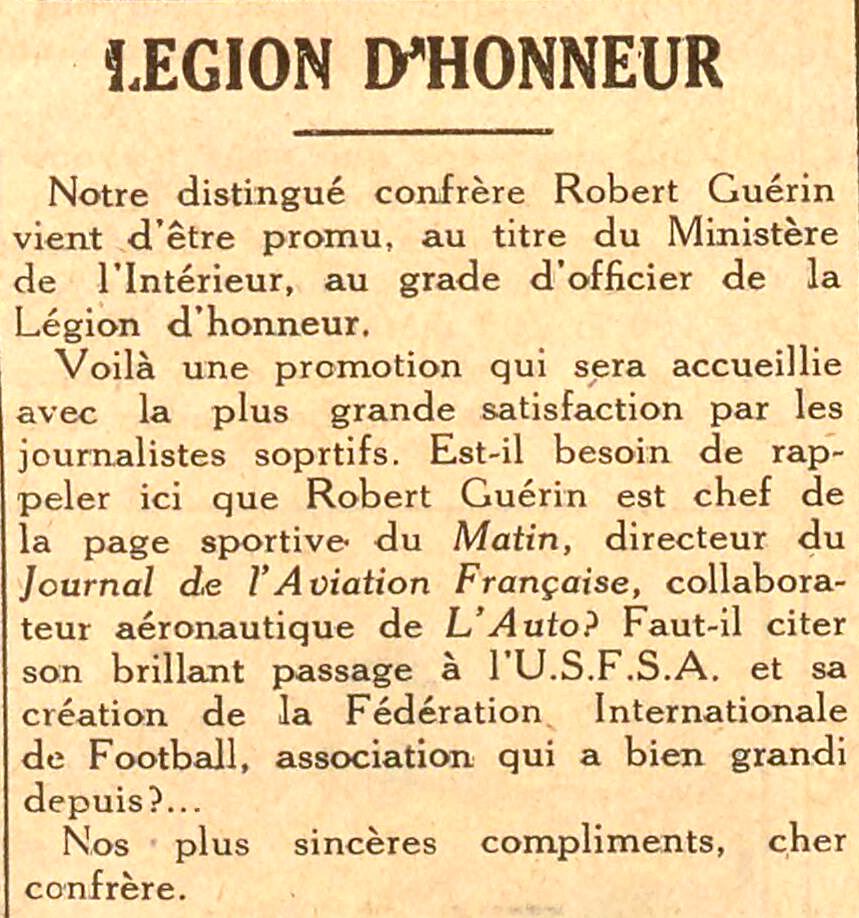
The first president of FIFA was the Frenchman Robert Guérin. Two years later, with England’s accession to the organization in preparation for the Olympic football tournament of the London Games in 1908, the Englishman Daniel Burley Woolfall was elected president, a position he held until the end of the war.
The new post-war reality would leave its mark on the international football scene during the 12th FIFA Congress, held in Geneva with the participation of 17 national federations, many of them from South America. At this congress, Jules Rimet was elected president. He developed a personal friendship with Hugo Meisl and shared similar views on the spread of football, as well as the ideological conviction that this popular sport could become a bridge of communication between nations—a position that found particularly fertile ground in the context of post-war reconstruction.
At the congresses of Geneva and Paris (the latter held in 1924), alongside the gradual acceptance of professionalism—which paved the way for the establishment of national professional leagues in Central Europe—the first deliberations also began regarding the creation of international competitions under FIFA’s aegis, both on a regional and global scale. Until then, the highest-profile football tournament had been the Olympic Games—and only amateur athletes were allowed to participate. But the changes sweeping football in every country where it was taking root—transforming it into a major social phenomenon and a field of economic activity involving professional athletes—made it increasingly urgent for FIFA to carve out its own path for the sport, independent of the frameworks and principles of the International Olympic Committee.
Within this context, Meisl—an ardent supporter of creating a European football network—worked toward the institutionalisation of both a club competition and an international tournament, during the congresses held in Prague in 1925 and Rome in 1926. At the latter, his proposal was officially rejected by a body composed of 23 federations. But Meisl did not give up; he resolved instead to find allies with whom he could advance his plan. In truth, at that time—when priority was being given to the design of a World Cup and amid growing concerns about violent clashes between supporters during international matches, which often carried the combative atmosphere of the era’s intolerant ideologies into the stands—many believed that launching additional tournaments, especially regional ones in Europe, was a needless drain on resources.
Meisl and his collaborators—namely, the presidents of the Hungarian and Czechoslovak federations, Fodor and Loos, along with some members of the Italian federation—sought elsewhere the support that FIFA’s congress had denied them. Thus, at a meeting held on 27 October 1926, they decided to create two competitions: one for clubs and one for national teams, to involve their respective countries. These became known as the Central European Cup and the International Cup of Central Europe.
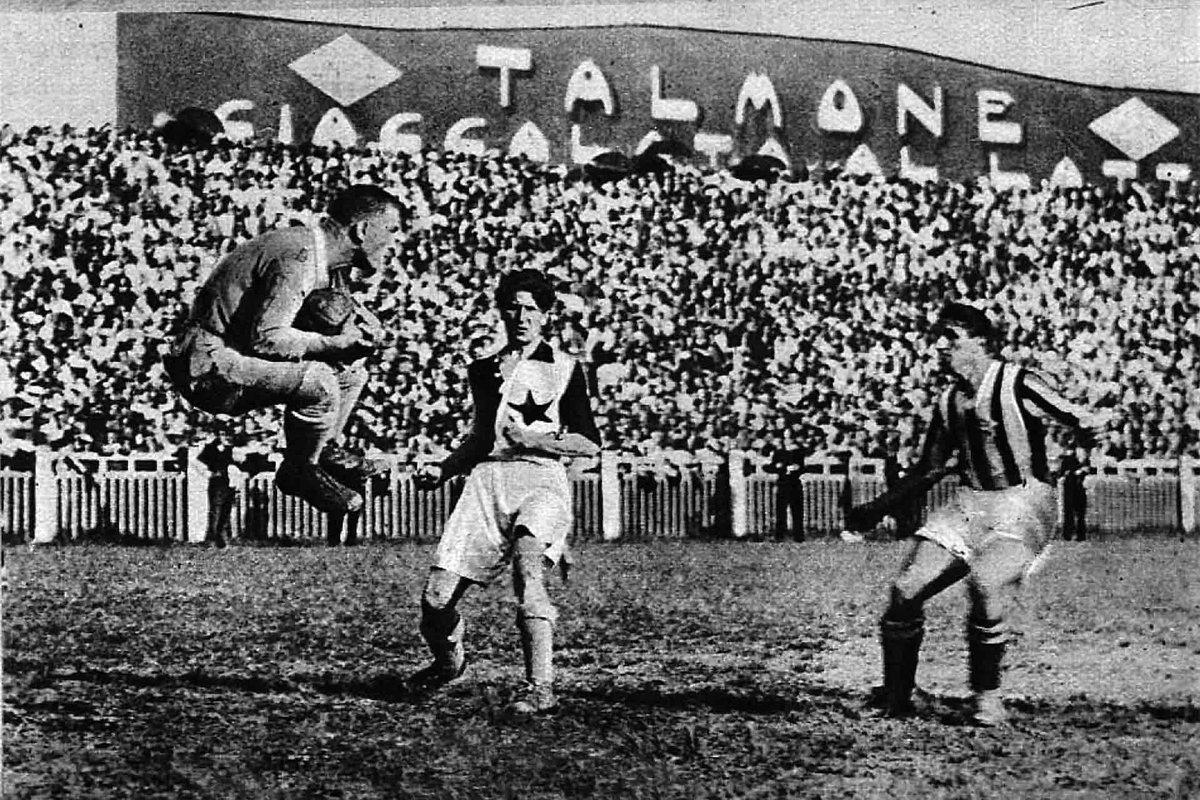
The following year, in 1927, at the FIFA Congress in Helsinki, the interested federations once again failed to secure official sanctioning of the competitions by the international confederation. So they moved ahead independently, backed by a sponsor: the German company Mitropa AG, which operated the sleeping cars and dining services on trains throughout Central Europe. The club competition took its name from this sponsor—the Mitropa Cup—and is considered the forerunner of all modern European club football competitions. Due to the challenge of fitting all the matches into each season’s already congested calendar, it was decided that the Mitropa Cup would be held annually, whereas the International Cup would have an open-ended duration, to be determined by prevailing conditions.
The first Mitropa Cup was played from August to November 1927 and featured the top two clubs from the leagues of Austria, Hungary, Czechoslovakia, and Yugoslavia. Italy did not participate, as its federation reported that its teams were unable to accommodate the competition within their schedules. However, in the International Cup, Italy did participate—alongside Austria, Hungary, and Czechoslovakia—as did Switzerland.
The establishment of these tournaments, marked by the regular participation of the four core countries and the occasional involvement of Switzerland, Yugoslavia, and Romania, led to the creation of Europe’s first meaningful footballing network. Meanwhile, South America was already ahead, with the Copa América having been contested since 1916. The positive effects of these tournaments—on both club and national team levels—were not only athletic but also cultural. They contributed decisively to football’s deeper integration into the broader culture of each nation and to its emergence as a central social activity. These benefits gradually eroded resistance and laid the groundwork for the full range of European competitions and institutions that exist today. Moreover, they highlighted the importance of exchanging ideas and approaches in an organised fashion—something that has been the founding spark behind every major qualitative shift in any domain of human activity throughout the known history of our species.
It was during this period that the foundations were truly laid for the widespread acceptance of a new understanding: that football could not be treated mechanistically. That the tactics of the game, innovation in playing style and training, and the organisation of clubs all required a corresponding level of theoretical elaboration—professional in method, just as players had now become professional on the pitch. While the Football Association was revolutionising football in 1925 by radically altering the offside law, the most significant tactical innovation in Britain came from Herbert Chapman at Arsenal. He recognised that more defenders were needed to maintain team cohesion. But in Central Europe, during the same period, new ideas were emerging: on positional fluidity, on the unique movement of each unit, on the structural coherence between different lines, and on the conceptual shift from a game based on fixed lines—rooted in football’s prehistory—to one oriented around space, which matched its future. The tangible proof of the superiority of this vision would take several more years to manifest, but by then its arrival was inevitable.
These inevitabilities were well understood by Jimmy Hogan, who during this period had returned first to MTK and later worked at Austria Wien—the former Wiener Amateure, the club of Meisl—before transmitting his knowledge beyond Central Europe for the first time, to Racing Club of Paris: the most successful multi-sport club in the history of the European continent. Hogan, along with other Britons drawn to this far more dynamic footballing environment, transformed the knowledge of the combination game—in collaboration with local coaches and administrators—into an entirely new form of cooperative football.
The Protagonists of the Glorious Era
One of the great Britons who assumed a patriarchal role in transmitting football to Central Europe was Johny Dick, a Scotsman born in Eaglesham, Renfrewshire, in 1876. Dick first played for the local club Airdrieonians before joining Woolwich Arsenal—as the team was known before its move to North London—from 1898 to 1912. In 1919, with the end of the War, he moved to Prague to take up the managerial post at DFC Prag, and subsequently at Sparta, where he had two separate spells, the second of which ended in 1933. John Dick applied precisely the necessities of his era at Sparta and inspired Prague’s working-class team with both the principles and the modern development of the combination game. In his first tenure, from 1919 to 1923, he won five championships in as many seasons, with his team only losing the title after his initial departure.
However, under the leadership of Czech coach Václav Šplinder, Sparta won the 1927 championship and took part in the inaugural edition of the Mitropa Cup. In the first round, they began with a resounding 5–1 win over Admira Vienna, losing the return leg 5–3 but advancing nonetheless. In the semi-finals, however, they faced the symbolic team of the era: MTK, who had just parted ways with Hogan, replaced by the Hungarian Guyla Feldmann. The match in Budapest ended in a 2–2 draw, and the return leg in Prague finished goalless. However, it emerged that the participation of Kálmán Konrád with MTK was irregular—something that should have served as a historical precedent for all clubs in the future—as the player had already signed a contract with another team, Hungaria, during the course of the tournament. This was in breach of the established rules, and as a result, Sparta were awarded qualification for the grand final. In the first leg, watched by 25,000 spectators in Prague, Sparta triumphed 6–2 over Rapid Vienna. But such was the faith of the Austrians in their team that 40,000 people flocked to the return leg, hoping for a great comeback. In the end, Rapid won 2–1, and Sparta were crowned the first champions of the new competition—the first ever European inter-club football tournament! In any case, the number of supporters filling the stadiums of Central Europe’s great cities made the Mitropa Cup, from its very first season, a resounding success—an enterprise that many would soon begin to envy, though it would take years to replicate. After all, the foundation of footballing excellence upon which this tournament was played was not yet shared across the whole continent.

In 1928, the tournament was won by Ferencváros, securing the first inter-club title for Hungary, and in 1929 their feat was repeated by Újpest. That third season of the Mitropa Cup marked the first participation of two Italian clubs, who replaced the Yugoslav representatives. However, Genova 1893 (as Genoa had been renamed in Italian) and Juventus failed to progress beyond the initial quarter-final stage.
Hungary then ceded the throne for the next two seasons to Austria. Rapid Vienna, who had already lost two finals, finally managed to overcome Sparta in an unofficial rematch of the inaugural final, while in 1931 the final was an all-Austrian affair, with First Vienna defeating Wiener AC to lift the trophy.
The 1932 edition, however, would prove historic for various reasons—not all of them positive. The first round was marked by the relatively easy victories of the advancing teams, who secured qualification from the first leg. Slavia Prague beat Admira Vienna 3–0, losing the second leg 1–0. Bologna, in their debut Mitropa Cup appearance, opened with a commanding 5–0 win against Sparta at the Littoriale (as today’s Stadio Dall’Ara was then called), and lost the return leg 3–0 in Prague. Juventus defeated Ferencváros 4–0 in Turin and drew 3–3 in the second leg. Meanwhile, in what was perhaps the most evenly balanced tie, First Vienna beat Újpest 5–3 in the first leg and sealed qualification with a 1–1 draw in the return.
However, the semi-final series was marked by unprecedented incidents that affected the athletic outcome of the tournament. The semi-final between Slavia Prague and Juventus began with the first leg in Prague, which the home team won 4–0. However, it was marred by clashes between the supporters of the two sides and characterized by an unprecedented level of violence from the 28,000 home fans toward the Juventus players—with the footballers themselves responding in kind, turning the match into something resembling a pitched battle. Amid the chaos, there was also a pitch invasion, initially quelled, only to erupt again after a violent foul by Cesarini. The fans attacked the Juventus players, and police intervention was required to prevent worse. As a result, the visiting side had to finish the match with eight players—one sent off and two injured during the incidents—since substitutions were not permitted at the time.
In the return leg on July 10th in Turin, the Juventus supporters didn’t wait for the match to begin and launched attacks from the moment the Slavia team bus arrived. Though the game kicked off as scheduled, with Juventus leading 2–0 by the 40th minute, just before the end of the first half Slavia forward Junek threw back into the stands one of the many objects hurled onto the pitch. A chain of events spiraled into a general brawl, and Slavia’s players were escorted off the field by local police. After such desecration of the competition in both stadiums, the organizers decided to disqualify both teams from the remainder of the tournament.
Thus, unbeknownst to them at the time, the teams in the other semi-final were effectively playing for the title. The first leg was held on the same day as the return leg of the other series. The Rossoblù managed a 2–0 home win, with goals from Maini and Sansone, and in the return leg on July 17th, they held the score to 1–0—thus securing the title: the first international inter-club trophy in the history of Italian football, even if it came in rather unusual circumstances.
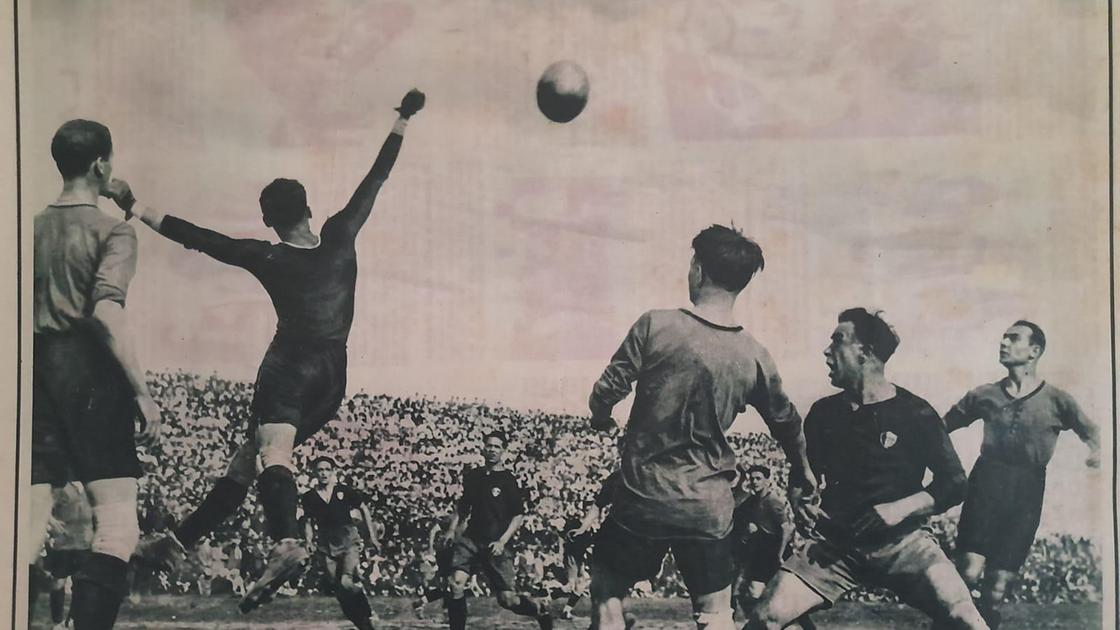
What proved more significant and remains in historical accounts is the way Bologna played the final 20 minutes of the match in Vienna. Even though the score favored the Italians, who had every reason to play conservatively and safeguard their great triumph (or qualification), Bologna’s players continued to unfold their attacking game, striving for an equalizer. This was the result of the deep influence that contact with Danubian football had on the club’s development.
Bologna—champions of Italy in 1929—had not participated in that season’s Mitropa Cup, having arranged a tour of South America instead. The club was enjoying a golden decade on all levels. In sporting terms, it was the Felsner era that first transmitted the principles of Danubian football to the club, instilling them for nearly a decade and translating them into domestic championships and constant contention in every competition they entered. Though Felsner departed in 1930, he was succeeded by the Hungarian Gyula Lelovics, maintaining the club’s Central European tradition. While little is known about Lelovics’s life—his birth name was Lelowichnak, hinting at Slavic roots or perhaps a Jewish-Slavic surname—it is known that his professional career in Italy began in 1930 at Bologna and lasted until 1961, during which time he returned twice to the bench of the Emilia-Romagna side.
However, Bologna stood out for another reason in the international football world of the time: it was the team with the largest and most modern stadium in Europe—a stadium whose history bears some dark shades and whose name was later changed, as such references could not be tolerated in the most progressive Italian city of the 20th century. The Stadio Littoriale was inaugurated on May 29, 1927, but nearly six months earlier, Mussolini had visited the stadium, viewing it as a model of the regime’s modern and futuristic architecture. It was truly a grand stadium, with a capacity of 50,000 spectators, and its exterior resembled a Roman arena. To this day, it is considered a historic architectural monument, and its upcoming renovation is planned with respect for its historical identity.
However, on the day of Mussolini’s visit—October 31, 1926—the Italian dictator, returning from the stadium to the city center, was the target of a gunshot. The surrounding Blackshirts identified as the assailant a 15-year-old printer’s son, Anteo Zamboni, who was lynched on the spot on the orders of the chief of police, Carlo Alberto Pasolini. Years later, the far more famous son of the police chief, filmmaker and writer Pier Paolo Pasolini, would portray his relationship with his father in the film Oedipus Rex. Today, at the spot where 15-year-old Anteo met a martyr’s death—in Piazza Maggiore—there is a plaque commemorating the event, and a small street in the city bears the name of the would-be assassin of the fascist dictator.

For the record, the final decision regarding the awarding of the title in the chaotic 1932 edition of the tournament was made on November 7 of that year, meaning Bologna had to wait a little longer before officially securing their historic victory on the pitch.
Unlike the scandal-ridden year before, the following season of the Mitropa Cup, that of 1933, was historic for different reasons: it became the epitome of a battle between the two greatest footballers of the era. The draw made this clash possible, and fortunately, Austria Vienna and Ambrosiana (as Inter was called at the time) did not meet before the final. The Austrians advanced from the first round after a great comeback, overturning a 3–1 first-leg defeat to Slavia Prague by winning 3–0 in Vienna. In the semi-final, they defeated Juventus with the same score before drawing 1–1 in Turin. On the other side, Ambrosiana overcame a narrower 1–0 away loss to First Vienna with an emphatic 4–0 win in Milan, while in the semi-finals they began with a 4–1 home victory against Sparta and secured qualification with a 2–2 draw in the match held in Prague.
Thus, the two sides—Ambrosiana and Austria—faced each other in the final. This meant that the great interclub trophy would be contested between Giuseppe Meazza for the Italian team and Matthias Sindelar for the Viennese side. In football history, there have been many debates over who was the best of their generation—or of all time. These rivalries often split generations who witnessed the feats of one player or another during their formative years, or even created divisions within generations between fans of two stars from the same era. Examples abound, from Pele vs. Maradona to the more recent Messi vs. Cristiano Ronaldo. The availability of televised images and even archival film allows later generations to catch glimpses of the past and engage with these debates. However, in 1933, there was no such intergenerational dilemma—it was universally accepted that the two greatest players of the time, and arguably of all time up to that point, were Meazza and Sindelar. Sadly, very little and fragmented visual material survives to this day, though a short sequence exists from the first leg of the final in Milan.

Matthias Sindelar was born as Matěj Šindelář in Kozlov, a small village in southern Moravia near the town of Jihlava. His father, Jan (or Johann) Sindelar, was a blacksmith, and his mother, Marie Švengrová, a washerwoman. Following a common path for many families from Moravia, Bohemia, and Hungary, the Sindelars moved to Vienna and settled in the working-class district of Favoriten, where Matthias attended school and began playing football in the streets, parks, and abandoned lots. Yet the hope for a better life in the imperial capital was shattered by the reality of war—his father was killed in one of the battles along the Isonzo River in 1917, when Sindelar was just 14 years old. To support his family—now consisting of his mother and three sisters—he found work as an apprentice blacksmith. But Sindelar’s talent rekindled hope for a better future that same year, when he drew the attention of a Hertha Vienna official named Febus during a match between schoolchildren from Favoriten, held at a local training center. Febus offered him a contract with the club. However, some reports suggest his name was already circulating in the scouting networks that roamed the districts of major imperial cities. Thus, on May 26, 1918, at age 15, Sindelar signed his first football contract. He played for Hertha for three years—a club that achieved no distinction and was troubled by internal issues. Still, by his second season, Sindelar had begun to stand out individually, playing against Vienna’s big clubs, and in 1921, Wiener Amateur—later renamed Austria Vienna upon the advent of professionalism—offered 3,000 schillings to secure his transfer rights. According to later testimony by Wolfgang Hafer, grandson of Hugo Meisl, it was Meisl himself who orchestrated the transfer, having followed Sindelar for years.

The coming-of-age and footballing emergence of Giuseppe Meazza followed a remarkably parallel path—a story with many similarities to that of Sindelar. Meazza was born in Milan in 1910, near Porta Vittoria. At age 7, in 1917, he too lost his father, who was killed in the war. He grew up with his mother, helping her by selling fruit at local markets. He began playing football barefoot at age 6 in a team called Maestri Campionesi, using a makeshift ball made of bundled rags on the open lots of Greco Milanese and Porta Romana. At 12, his mother allowed him to join Gloria FC, where he got his first pair of football boots. A fan of Milan, he trialled with his favorite club at age 14 but was rejected for being too skinny. Yet the opportunity he missed with Milan presented itself at Inter, who recruited him and, later on—due to his slim frame—gave him the nickname “il Balilla,” reportedly coined by Leopoldo Conti. At 17, he was promoted to the first team, but initially did not get playing time under Hungarian coach József Viola. However, with the launch of Serie A in the 1929–30 season, Inter turned to another Hungarian who left a far greater legacy in European football: Árpád Weisz. Having left Budapest for Italy in 1924, Weisz played for Inter and ended his playing career in the 1925–26 season. He had already managed the club once, from 1926 to 1928. That same season, Inter lost their center-forward Fulvio Bernardini, who transferred to Roma. Reportedly relieved, Weisz remarked: “Finally, now I can let the kid play,” referring to Meazza, who at 19 was still considered too slight for the physical demands of the Italian league.
The two players began to write history with their respective clubs. Sindelar, also thin, earned the nickname Die Papierene(The Paper Man) and stood out for his ethereal movement on the pitch. His play was so artistic that Alfred Polgar, one of the leading voices of Austrian modernism, wrote of him: “He played football like a grandmaster moves his chess pieces, with such extensive foresight that he could anticipate the opponent’s movements and reactions in advance, always choosing the best option. He had unmatched ball control, combined with an ability to launch sudden counterattacks, and was incredibly adept at deceiving opponents with feints.” Other metaphorical depictions said his feet had a brain, and this cerebral dimension of his game made him the ideal figurehead for Vienna’s café-style football—so much so that he was dubbed “the Mozart of football.”
On the other hand, Meazza embodied the ideal of fascist football—not that he personally aligned with the regime ideologically, as he never made any political statement or action to that effect. But, like nearly all great Italian footballers of the time, he never opposed the regime either, limiting himself to his footballing duties and adhering to the established protocols and associated symbols of the day.
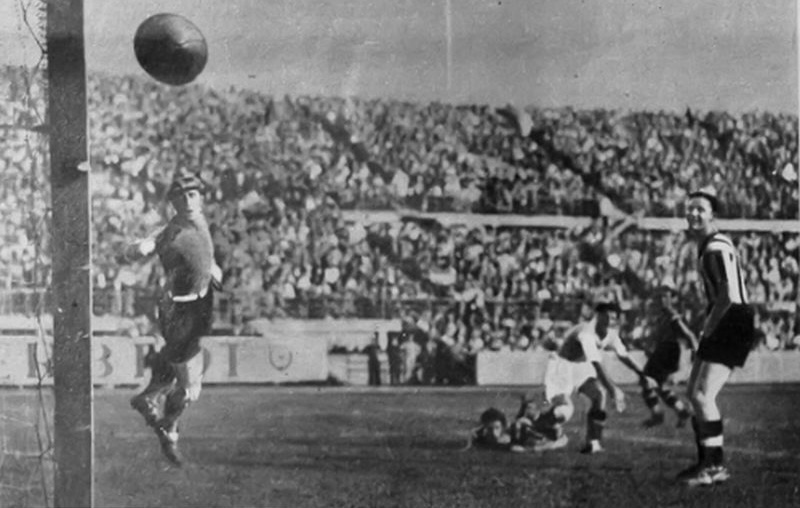
The first leg of the 1933 Mitropa Cup final was scheduled for the 3rd of September and would take place at the Arena Civica in Milan, the home ground of Inter (or Ambrosiana, as the club was called at the time). It was a beautiful stadium with oval-shaped stands and neoclassical architectural features, built in 1807 and still standing today, currently hosting lower-league and women’s football matches, as well as rugby games and track and field events. The Austria team travelled overnight by train from Vienna, accompanied by Hugo Meisl and the club president, Schwarz. Under the eyes of 35,000 spectators who had flocked to the Milanese venue, Austria started the game strongly, carrying the label of favourites. However, despite several missed chances and a brilliant solo effort by Sindelar—who escaped three defenders with a feint before firing just wide—they failed to score. Gradually, though, the momentum began to shift. The Nerazzurri first found the net in the 35th minute, but the goal was ruled offside. Then, in the 40th minute, Meazza opened the scoring, slotting the ball into the net after the Austrian goalkeeper failed to clear it properly. Just one minute later, Levratto scored directly from a corner kick, making it 2–0 and sparking pandemonium among the home fans. In the second half, the Austrians re-entered with intensity, trying to break down the Italian resistance through their skill, while the home side focused on controlling the scoreline. Finally, in the 77th minute, following an assist by Sindelar, Rudolf Viertl scored to make it 2–1.
Everything was left to play for in the big return match at the Praterstadion, held six days later in Vienna. Notably, the matches of this final were played in a spirit of sportsmanship, especially when contrasted with the events that marred the previous year’s tournament. After the first leg, the two teams dined together in Milan, and Austria ensured a proper welcome for their opponents at the Meissl & Schadn hotel, where Sindelar was spotted chatting with Meazza in the lobby ahead of the return match. At the Praterstadion, the Viennese created a frenzy, setting a new attendance record with 58,000 tickets sold for that historic match. On the pitch, the spectacle lived up to expectations. Both teams created numerous chances in the first half, without scoring—until the 44th minute, when Viertl won a penalty after being fouled by Agosteo, and Sindelar converted it to open the scoring and equalise the aggregate. The title would be decided in the second half. Ambrosiana stunned the Prater with a goal early in the second half, but Frione’s finish, following a Meazza cross, was ruled offside, sparking protests and some scuffles for the second time that match—after the first-half penalty—gradually increasing the tension. That tension ultimately led to two Ambrosiana players being sent off for rough fouls: Allemandi in the 65th minute and Demaría in the 67th. In these conditions, Sindelar also scored his team’s second goal in the 80th minute. Yet just three minutes later, Meazza, winning an aerial duel, made it 2–1, putting both teams back on level terms. Ambrosiana defended with determination, but in the 88th minute, Sindelar found himself unmarked in the box and volleyed home after a cross from Molzer, sealing the 3–1 result and Austria’s first Mitropa Cup title amid euphoric celebrations in the packed Vienna stadium. In sharp emotional contrast were the tears of Meazza, who called the refereeing decisions “a sporting scandal.” The La Stampa articles, scathing in their criticism of the Czechoslovak referee František Cejnar, stand as a testament to the deep disappointment within the Milanese camp after such a great lost final. But the rematch would not be long in coming…

In the 1933 final, the Mitropa Cup arguably reached its zenith. Perhaps even Meisl himself could not have imagined the success of the competition he had envisioned for many years, and which had begun just six seasons earlier. A total of 93,000 spectators attended the two legs. Central European football had found its stars, whose fame extended far beyond the pitch. The local communities of the major cities lived and breathed these big matches between clubs from neighbouring but culturally distinct countries, and football had, in reality, become a medium of communication between nations, between the educated bourgeoisie and the working masses. At the same time, however, seismic changes were also taking place in world football, reflected in the evolution of the game at national team level—where it was not neighbourhoods that were represented, but schools of football thought.
The International Stage
The development of international football was a process far more complex than it might appear today. During the early decades of the sport’s evolution, it was by no means taken for granted that the existence of international competitions was necessary for its broader growth. Various friendly matches, known as tests—as in rugby and cricket—were arranged through direct agreements between national federations. There was no regular meeting or structured calendar that would set the pace for the development of each national football culture, allowing them to be compared with other schools of thought.
Thus, the first international football tournaments were those of the Olympic Games. Even there, however, the format was highly amateurish. In the 1900 Paris Olympics and the 1904 St. Louis Olympics, national teams were replaced by individual selected clubs, which symbolically represented their countries. The tournament structures were also unusual. For instance, in Paris, Upton Park won the gold medal by playing only in the final, while Stade Français had played and won three earlier matches in a knockout format that resembled the competitive structure of professional boxing more than football. In 1904, only two teams from the United States and one from Canada took part. During the 1906 Intercalated Games in Athens, Ethnikos represented Athens, the Philomousoi Club represented Thessaloniki, Orpheus represented Smyrna, and a team from a Danish warship represented Denmark. In that tournament, the match between the Athens and Thessaloniki teams was never completed, due to serious incidents during halftime—setting a historic precedent for the country’s social rather than athletic footballing tradition.
Things began to change with the foundation of FIFA in 1904 and its active involvement in organising the Olympic tournaments, starting with the 1908 London Olympics. This was one of the reasons Daniel Burley Woolfall became president in 1906. In London, a proper tournament was held with eight planned participants—two of them from France. Bohemia (as Czechia was known then) was set to face France in the first round, and Hungary was drawn against the Netherlands. However, both Central European teams withdrew, citing financial reasons. The truth is that, at the time, Danubian football was still visibly lagging behind the British, with the England national team winning all four of its matches against the three national teams of the Austro-Hungarian Empire: 6–1 and 11–1 against Austria, 7–0 against Hungary, and 4–0 against Bohemia.
In 1912, however, Austria’s preparations for the Stockholm Olympics sparked one of the most legendary collaborations in football history, as Meisl appointed Jimmy Hogan as national coach. The fusion of Hogan’s combination game ideas with tactical fluidity led to innovation even in formations. At the time, the standard formation—clearly inherited from the British school—was the 2–3–5, or the so-called “pyramid.” Long before Herbert Chapman’s evolution of the system, Hogan and Meisl were already discussing adaptations, such as the 3–2–2–3 or even a very early version of a centre-forward who would play behind the rest of the attacking quartet. With these tactical tweaks, Austria crushed Germany 5–1 in the first round of the Olympic tournament. However, the Netherlands—where Hogan had already worked as Dordrecht’s coach—were more prepared and defeated the Austrian experiments 3–1 in the quarter-final. It’s worth noting that Meisl also took part in the same tournament as a referee, officiating the first-round match between Italy and Finland, in which the Finns won 3–2 after extra time.
In the repechage—or more accurately the “consolation tournament,” since those matches did not determine medals or final standings—all three Central European teams took part. In the first round, Austria defeated Norway 1–0, and Italy beat Sweden by the same score. Thus, in the semi-final, Hogan and Meisl’s Austria faced Italy, now coached for the first time by Vittorio Pozzo. That day, Pozzo and Meisl forged a friendship, destined to fuel a lifetime of sporting rivalry. Austria won that match 5–1, while in the other semi-final, Hungary beat Germany 3–1. In the final, Hungary defeated Austria 3–0—marking the only official match between the two teams while they were still part of the same state entity.
Scandinavian and Northern European football seemed to have the upper hand in the Olympics compared to Central Europe. However, this mainly reflected their capacity to mimic the English game—focusing on physical fitness—rather than true innovation in footballing development. Sweden and Denmark were standout teams, while Great Britain won both gold medals in 1908 and 1912. The 1916 tournament was cancelled due to World War I, and by the time of the 1920 Antwerp Olympics, the situation had changed drastically, owing to the complete reshaping of Europe’s political geography. From Central Europe, only Czechoslovakia participated, as Austria was still in complete reconstruction and Hungary was in the midst of deep turmoil, just months after the Treaty of Trianon. The Czechoslovaks crushed the newly formed Kingdom of Serbs, Croats, and Slovenes (the future Yugoslavia) 7–0 in the first round, then defeated Norway 4–0 in the quarter-finals and France 4–1 in the semi-final. In a farcical final, in which the British refereeing trio clearly assisted the host Belgians in winning the first postwar football gold medal, the Czechoslovak team walked off the pitch in the 39th minute, with Belgium leading 2–0. The Czechoslovaks never accepted their silver medals—this remains the only time to date that an international football final was not completed. Italy, who played in the repechage, beat Norway after extra time (2–1) but were then eliminated by Spain, losing 2–0.
Perhaps the first truly great Olympic tournament was that of Paris in 1924, with the participation of 22 teams from four confederations and, for the first time, the inclusion of a team from South America. Uruguay, arriving in Paris as the ultimate outsider, surprised everyone by successively defeating Yugoslavia, the United States, the host nation France, the Netherlands, and finally Switzerland 3–0 in the final—thus winning the gold medal and drawing global attention, for the first time, to the emergence of a majestic footballing network in a part of the world beyond Europe.
At that time, football in South America had developed with its own ideological identity—not the same as that of Central Europe, but in a way that allowed it to stand out against the far less developed and amateurishly organised European sport. The absence of trenches and the human toll of the war in South America had also allowed for the uninterrupted evolution of footballing ideas and culture. This superiority was confirmed four years later, at the Amsterdam Olympics, where the Argentina national team participated as well, eager to emulate the glory of their neighbours. The final, predictably, was between Uruguay and Argentina, and required a replay match for La Celeste to win its second consecutive Olympic gold medal—a victory that significantly influenced the decision to award Uruguay the honour of hosting the first FIFA World Cup, which had become FIFA’s great ambition under the leadership of the Frenchman Jules Rimet.

From Central Europe, Switzerland and Italy participated in the 1924 tournament, with the former reaching the final and the latter being eliminated in their head-to-head match in the quarter-final stage. Hungary, meanwhile, suffered a humiliating and unexpected 3–0 defeat to Egypt. In 1928, only Italy and Switzerland took part, as the other teams from the former empire no longer considered the Olympic tournament a matter of importance. Italy went on to win the bronze medal, losing 3–2 in the semi-final to Uruguay, while Switzerland was eliminated in the first round after a 4–0 defeat to Germany.
By the time the 1928 Olympics took place, however, a much more significant international football tournament had already begun for Central Europe. The same year that the Mitropa Cup was launched, the first edition of the International Cup of Central Europe was also inaugurated, with the opening match between Czechoslovakia and Austria taking place on 18 September 1927. The tournament was scheduled to take place over a three-year span, with the summer of 1928 considered a “dead period” to allow Italy and Switzerland to participate in the Olympic Games.
The major favourites for the 1927–1930 edition were Austria and Italy. Austria, led by star player Matthias Sindelar and coached by Hugo Meisl, was in the early stages of building a formidable team—the Wunderteam, or “miracle team”—which came to embody the full intellectual and tactical maturity of Viennese footballing philosophy. Italy, at the start of the tournament, was undergoing rapid development, fuelled by a restructuring of professional club football, but the key figures who would reshape the national team were yet to emerge and would do so gradually during the tournament’s three-year course. On the pitch, the standout player was Giuseppe Meazza, who made his debut for the Squadra Azzurra in 1930. On the bench, from 1929 onward, would be Vittorio Pozzo, returning after three previous terms in 1912, 1921, and 1924.
Pozzo was born in Turin in 1886. A child of a bourgeois family, he practiced athletics during his school years and distinguished himself in the 400-metre sprint, but as he grew older, he was drawn to football. Lacking the talent to excel as a player, he continued his studies and moved to Zurich to attend the School of Commerce. There, he became multilingual—learning to speak French, German, and English fluently—and developed an outward-looking spirit that clashed with his family’s desire for him to return to Italy. Instead, Pozzo moved to England—first to London, where he felt out of place among the large community of expats, and then to Bradford, where he could immerse himself fully in the British way of life, which he had come to love.
His Anglophilia was so intense that, despite being Catholic, he began attending Anglican church services every Sunday, following a routine of working in the textile mill during the week and playing football on Saturdays. Despite his family’s constant pressure to return and take up a management role in his brother’s company, Pozzo refused—even when his father cut off financial support. In England, Pozzo became a supporter of Manchester United, forming a bond with the club and the city that had already influenced Central European football through a series of British personalities. He also developed his political ideology, which could best be described as liberal-monarchist. The British cultural foundations he adopted instilled in him a militaristic mindset and lifestyle—something that would later be reflected in the training methods he introduced to football. However, his time in England came to an abrupt end, as his return to Italy to attend his sister’s wedding became the moment his family effectively forbade him from leaving again.
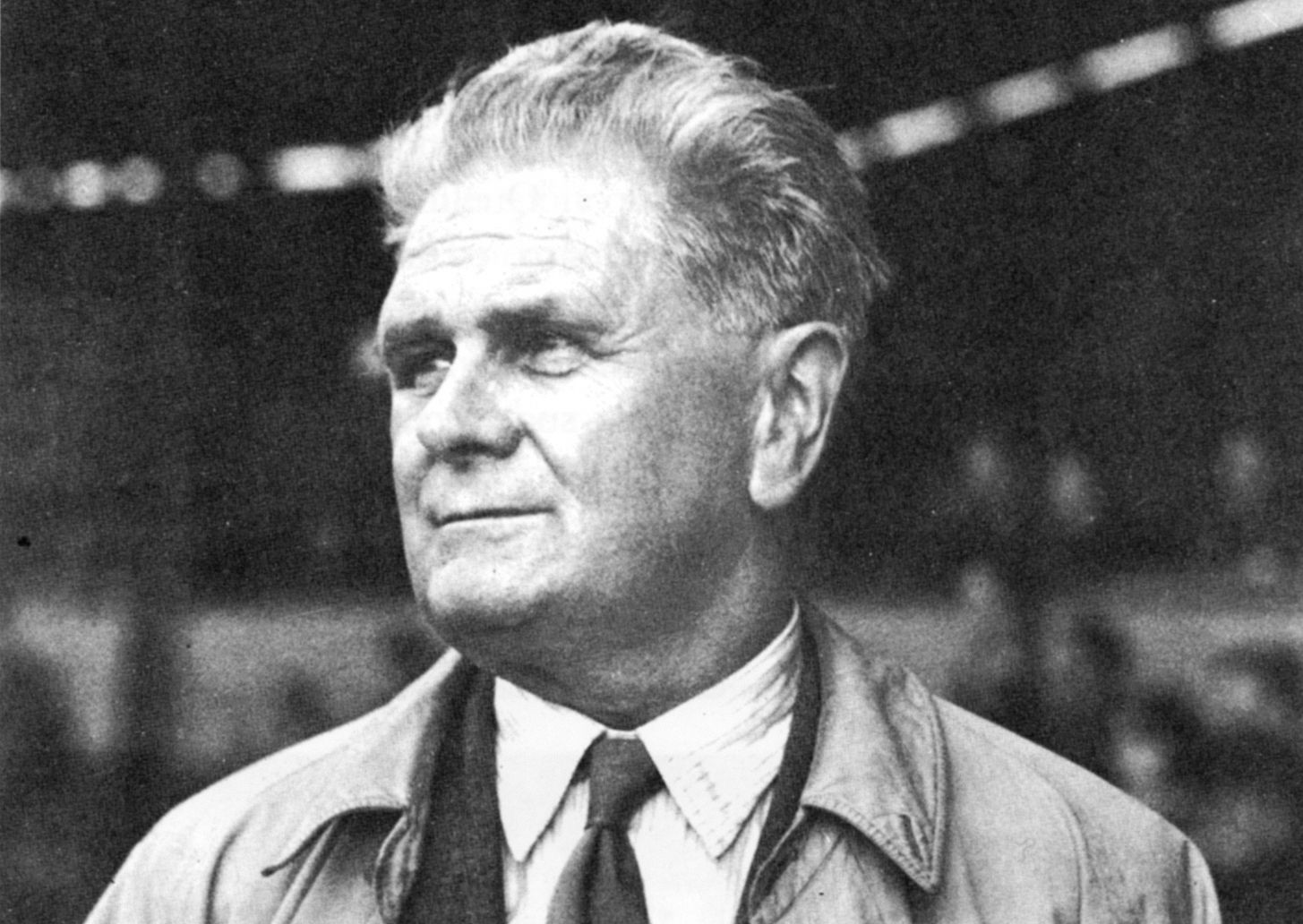
Pozzo, having attended training sessions of major teams in Britain—among them Arsenal in London, and others in the north, where he later lived—had acquired a rare level of technical knowledge for the time. This secured him a position within the Italian Football Federation, where he initially served as secretary. However, in 1912, ahead of the Olympic Games in Stockholm, he was asked for the first time to take charge of the national team. The results, especially the heavy defeat to Austria during the Olympics and its repetition in a friendly the following December, led him to resign. For the next two years, he continued his travels until the outbreak of the Great War, when he was conscripted as an officer in an Alpini battalion—something that aligned perfectly with his militaristic values.
After the war, he once again took over the Italian national team for the 1924 Olympic Games in Paris. The results were better, but the death of his wife led him to resign once again. He returned to civilian life, taking up an executive role at Pirelli, spending his free time mountaineering in the Alsatian mountains. But 1929 marked the beginning of a long shared journey between Pozzo and the Squadra Azzurra, a journey marked by both glory and a connection with a regime whose historical burden would be ascribed to Pozzo himself. Although he was never a member of the Fascist Party, and despite later historical indications that he aided partisan resistance units in Biella and helped Allied prisoners escape—clearly siding with the British and developing deep admiration for Winston Churchill—Pozzo is nonetheless seen as having made full use of the tools provided by the Fascist regime, both material and ideological. As a result, his name does not adorn any stadium in Italy today, nor is he commonly cited among the great national footballing figures that Italians feel pride in.
As for the first International Cup, the early results of 1927 came as a surprise, given the theoretical strength of the contenders. Austria lost its first two matches, to Czechoslovakia and Hungary. Italy, on the other hand, managed a 2–2 draw away in Czechoslovakia. Following these results, the two favourites of the competition were to meet for the first time on 6 November at the newly built Stadio Littoriale in Bologna. A crowd of 30,000 filled the stands of the Emilian stadium, only to see Austria claim its first victory of the tournament—1–0—with a goal from Franz Runge of Austria Vienna in the 44th minute.
Italy then secured its first win against the weaker Switzerland, before defeating Hungary in the old Stadio Flaminio, in an exciting match that ended 4–3 on 25 March 1928. A week later, Austria suffered another loss, this time at home to Czechoslovakia, while Hungary beat Czechoslovakia 2–0 in the final match before the Amsterdam Olympic Games. But from autumn 1928 onward, both Austria and Italy began to find their form—Austria defeating Hungary 5–1 and Switzerland 2–0, and Italy winning 3–2 away in Switzerland and 4–2 at home against Czechoslovakia.
Thus, on 7 April 1929, the two teams met again, this time before 49,000 spectators at Vienna’s Hohe Warte Stadium. Horvath scored twice and Weselik added another, sealing a 3–0 victory that underscored Austrian superiority over its main rivals for the title. After that match, Italy led Austria by one point in the standings, with four wins, one draw, and two defeats, versus Austria’s four wins and three losses. In the final match of 1929, Austria won in Bern against Switzerland and overtook Italy in the standings, awaiting the outcome of the final game of the tournament—which would determine the champion.
However, the long time span between matches meant that much could change for each team over the course of the tournament. Thus, the Italy that had suffered two defeats to Austria was no longer the same side that faced Hungary on 11 May 1930 in Budapest. Two figures stand out as the most significant additions to the Squadra Azzurra during that interval: the young Giuseppe Meazza in the starting lineup and the return of Vittorio Pozzo to the bench.
Pozzo, a war veteran, scheduled a visit for the Italian players to the battlefields of Oslavia and Gorizia ahead of the crucial match, stopping at the war cemetery of Redipuglia. The players were shaken by the horror of what they saw, and Pozzo told them that “it was good that the grim and terrifying sight had shocked them” and that “what was now being asked of them was nothing compared to what had been asked of those who had lost their lives on these hills.” While it is impossible to determine whether this visit acted as an ideological injection that improved their performance, the result was that—against a Hungarian side that was also contending for the title and had the support of 40,000 fans—Italy wrote a golden page in its history, winning 5–0. Meazza scored a hat-trick, and La Nazionale claimed the first official title in its history.
That same summer, in 1930, no Central European team travelled to Uruguay for the first FIFA World Cup. The journey was too long, and all the federations deemed it impossible to adjust their league and international schedules to allow their teams to participate. Indeed, when one looks back at the press of the time, this first World Cup appears more like an experimental, novelty-type tournament—its prestige in no way comparable to the World Cup we know today.
Thus, the next international competition in which the Central European teams took part was the International Cup of 1931–1932. The opening match was scheduled as a major clash between Italy and Austria, this time taking place at San Siro. Although Horvath opened the scoring in the 4th minute for the visitors, Meazza equalised in the 34th—on the very pitch that would later bear his name—while the Argentine-born naturalised Italian Raimundo Orsi secured the home side’s victory in the 52nd minute, setting the final score at 2–1.
Austria continued the tournament with two wins—including a remarkable 8–1 away thrashing of Switzerland, who had appointed a new coaching staff. Among the assistants to coach Teddy Duckworth were two of the major architects of Danubian football: Jimmy Hogan and Dori Kürschner. Austria also drew twice with Hungary. Italy matched this record, with two wins and two draws. On 20 March 1932, the two teams faced each other again at the Prater. In front of 63,000 spectators, with goals from Sindelar and Meazza for each side, Austria claimed a 2–1 victory, bringing perfect equilibrium to the title race.
The two teams followed up with away draws—Italy in Hungary, Austria in Czechoslovakia—leaving the trophy to be decided in October 1932. On the 23rd of that month, Austria hosted the weaker Swiss side at the Prater, a team they had demolished 8–1 in Basel the previous year. This time, 55,000 spectators filled the stadium. Austria won the match 3–1, officiated by the Czechoslovak referee František Cejnar—the same who had refereed the Austria–Inter match in the 1933 Mitropa Cup. After this result, Italy needed a convincing victory against Czechoslovakia to have any hope of claiming the title. But on 28 October in Prague, they were defeated 2–1, and the Austria of Meisl and Sindelar—the Wunderteam—won the first and only major title in its history!
Following their triumph in the International Cup, Austria, widely considered the best team in continental Europe, was invited to a friendly match against England, held on 7 December at Stamford Bridge in London. The national team of the motherland of football, with over sixty years of international competition under its belt, had never lost on home soil to a continental European side—only to teams from the British Isles, in the so-called Home Championship. England’s first loss to a European side had come in May 1929, when they were beaten 4–3 by Spain at the Estadio Metropolitano in Madrid, and again in May 1931 when they suffered a heavy 5–2 defeat in Paris to France.
The invitation to play on British soil was a great honour in itself, with only two historical precedents until then: in 1923, Olympic champions Belgium were invited to Highbury, where England won 6–1; and in 1931, Spain was invited for the return fixture of the Metropolitano match, and the English again triumphed at Highbury, 7–1—reasserting their supremacy at home. It is telling that these matches were always played in December, when the British weather had left the pitches battered, favouring the hosts and their physical style of play.
Given this context, Austria’s motivation was enormous: they could become the first team ever to defeat England on their own turf and claim the unofficial mantle of world football’s new leader.
For this match, Meisl once again sought the assistance of Jimmy Hogan, who had just left his post at Austria Vienna to take over at Racing Club de France. Hogan would later describe this invitation as “the greatest honour of my career” and “a magnificent gift for my 50th birthday.” At the same time, the organisation of this major fixture was supported by none other than Herbert Chapman, who helped persuade Racing to release their coach for a two-week period to prepare Austria’s team. The referee appointed for the match was the top official of the era, Belgian John Langenus, who had officiated the World Cup Final two years earlier.
When Austria’s team departed from Westbahnhof station, thousands of supporters gathered to cheer them on. The build-up in England was reflected in the press of the time, which generally emphasised that this match would be unlike any before it, praising the quality of the Austrian side.
The game began ideally for the English, who scored in the 5th minute through Crooks. But Austria was dangerous, and the English goalkeeper from Birmingham, Harry Hibbs, had a poor day—partly due to the pressure he felt, knowing that Chapman was in the stands and could open the door to a move to Arsenal. Nevertheless, Hampson doubled England’s lead, setting the halftime score.
In the second half, Austria continued to press, with Smistik and Sindelar taking the game upon their shoulders. Eventually, Zischek of Wacker Vienna pulled one back in the 58th minute. Houghton extended England’s lead again in the 77th, only for Sindelar to strike three minutes later with a goal reminiscent of Maradona’s legendary strike against England in 1986—the one that became known as “the goal of the century.” Significantly, the football-savvy English crowd applauded the brilliance of the “Mozart” of football.
With ten minutes left, nothing had yet been decided. In a match remembered for both its beauty and its dramatic shifts in momentum, the 40,000 spectators at Stamford Bridge erupted in the 82nd minute, when Hampson scored his second of the day, giving England a secure lead once more. Zischek added another for Austria in the 87th minute to make it 4–3, and an English goal was disallowed in the final minutes. The final score remained 4–3 in England’s favour.
Austria came agonisingly close to reaching football’s symbolic summit—but that historic feat would have to wait. And when it came, it would belong to a different team.

The 1933–1935 edition of the International Cup was once again extended in duration, due to the upcoming FIFA World Cup, which this time would be hosted by Italy. The regime was determined to celebrate an international sporting triumph, which meant that Pozzo had at his disposal all the technical means to build a formidable superteam, one whose supremacy would be beyond challenge—especially on Italian soil. This also included the “Italianisation” of players who had distinguished themselves on the global stage, thanks to Mussolini’s bloodline law, which stipulated that any descendant of Italians—up to seven generations—could receive Italian citizenship. In practical terms, this meant that any South American player, even if it required some creative rewriting of his family history, could become Italian.
This new, stronger Italy won all four of its matches in the 1933 calendar year: at home against Czechoslovakia and Switzerland, and away in Switzerland and Hungary.
The match against Austria on 11 February 1934 was steeped in tension. Beyond being the decisive fixture in the battle for the title, it was also the first meeting since the Mitropa Cup final between Austria and Inter/Ambrosiana—a match that had left Meazza, and an entire nation, deeply bitter. Moreover, it was held in Pozzo’s hometown, Turin, at what is today the Olympic Stadium—then named after the Italian dictator.
Beyond the symbolism, the match carried enormous tactical importance, as two distinct systems had by then taken shape, forming the identity of each side. On one hand, Pozzo’s Italy employed the so-called metodo, a 2–3–2–3 formation, maintaining numerical superiority in midfield, bolstered by the inside forwards (the no. 8 and 10), who played deeper than the other three attackers. On the other hand, Meisl’s Austria used the so-called W-M, a 3–2–2–3, with a back line of three defenders and a quadrilateral shape in midfield—a configuration we see repeatedly in football history, especially in the attacking phase of play.
Both systems were developments of Herbert Chapman’s 3–2–5 (which resembled the W-M more closely), the tactic that had brought triumph to the British coach at Arsenal.
In the Turin clash, Austria once again emerged victorious, this time with a commanding 4–2 scoreline, sparking concern for their opponents and an entire regime—just months before the start of the World Cup. Before summer, Austria played one more match against Switzerland, winning 3–2 in Geneva.
Global Radiance
The summer of 1934 marked the moment when Central European football would shine on the global stage. Two years earlier, at the 21st FIFA Congress held in Stockholm, two countries had contested the right to host the second edition of the tournament. However, continuing the tradition of withdrawals that had begun during the bidding process for the first World Cup, Sweden withdrew its candidacy, as it had no intention of allocating a budget as large as Italy’s—whose proposal amounted to 3.5 million lire.
For this edition, qualifying rounds were held for the first time, since only 16 teams would compete in the final tournament out of the 36 federations that had entered. Italy, placed in Group 3, had to overcome Greece, whom they defeated 4–0 at San Siro in Milan, on 25 March 1934. Hungary and Austria advanced from their groups by overcoming Bulgaria. Czechoslovakia beat Poland 2–1 away and then advanced unopposed in the return leg, as the Polish team withdrew. Switzerland emerged second from a difficult group with Romania and Yugoslavia, drawing both of its matches. Thus, all the teams of the so-called Central European football tradition would be present on Italian soil, contending for the world’s most prestigious football title—which was slowly beginning to acquire the glamour it deserved.
The opening matches, for the round of 16, were held on 27 May. Hosts Italy started off with a triumph over the United States at the Flaminio, winning 7–1, with Bologna’s Angelo Schiavio scoring a hat-trick. Hungary, too, had an easy task: although Egypt managed to equalise during the match, the Hungarians secured qualification with a 4–2 win in the second half at Naples’ Partenopeo Stadium. At Stadio Littorio in Trieste, Czechoslovakia came from behind to beat Romania 2–1 and move on. Switzerland defeated the Netherlands 3–2 at San Siro. The most difficult day, however, belonged to Austria in Turin, where they were forced into extra time against France. In the 109th minute, Josef Bican—an iconic striker of Czech origin who played for Rapid—scored the goal that sent them through.

With all five International Cup participants making it to the quarter-finals, the tournament now resembled familiar terrain—entirely European in fact, as Argentina and Brazil had been eliminated in the first round by Sweden and Spain respectively. The quarter-finals, held on 31 May, featured two ties that could be described as typical Central European derbies. Austria faced Hungary at the Littoriale in Bologna, where they had previously earned their first major win against Italy. With goals from Horvath and Zischek, they took the lead, and Hungary managed only to reduce the deficit in the 60th minute with a penalty by Sárosi. In the other clash between International Cup participants, Czechoslovakia defeated an improved Swiss side in Turin by a score of 3–2, claiming a place in the semi-finals. Italy had the toughest task: in Florence, they failed to beat Spain even after extra time, with the score at 1–1. A replay was required the next day, which was decided by a goal from Meazza. It remains a historical mystery why the legendary Spanish goalkeeper Zamora and the Basque forwards Iraragorri and Langara were absent from the replay. Some sources claim that Zamora was seated not far from Hugo Meisl, who had attended the match as a spectator.
The great clash of the tournament—which could easily be described as an early final—was undoubtedly the semi-final between Italy and Austria, scheduled for 3 June at San Siro in Milan. While Austria and Italy were in the midst of a golden era of footballing rivalry, on the political level things were more complicated. Former enemies in the First World War, whose legacy weighed heavily on Pozzo and on players such as Sindelar and Meazza—both of whom had lost their fathers—were redefining their relations in March 1934 through an agreement signed by Italy, Austria, and Hungary, which would go down in history as the “Rome Protocols.” By this time, all three countries were under authoritarian regimes, as the First Austrian Republic had been dissolved just days earlier, with Chancellor Dollfuss—the so-called Millimetternich—taking power indefinitely. The alliance had been formed primarily out of fear of German aggression, as just a year earlier, on 30 January 1933, the chancellorship of the Weimar Republic had been assumed by a failed Austrian painter, who would transform it into the infamous German Reich.
Beyond the fear of German National Socialism, however, the three countries—with this agreement—were also opening a new chapter of aggression in the Balkans, each eyeing parts of Yugoslavia. Each believed, for its own reasons, that it held historical sovereign rights to those territories—thus fuelling nationalist narratives for generations to come.
This diplomatic convergence, however, meant little to Pozzo, who brought a gramophone into the Azzurri’s dressing room to boost his players’ morale with the Canzone del Piave, a patriotic song celebrating Italian heroism on the battlefields of the First World War. He even made the players sing it loudly before taking the pitch. Mussolini, of course, aligned entirely with this theatrical approach. Present in the stadium, he was desperate to see the national team secure a victory that would become a symbol of his regime.
Tickets for the match were, unsurprisingly, sold out, and 60,000 spectators packed into San Siro to witness in person the greatest football match played to that day. Beyond the support of their home fans, however, the Italians also benefited from the weather. Just a few hours before kickoff, a torrential storm had struck Milan, and at kickoff time, much of the pitch remained waterlogged. This severely hampered the Austrians, who relied on their superior technical play, and favoured the more physical style of the Italian team. Yet even under such conditions, Sindelar continued to dazzle. The Papierene, who had learned the game on the rugged open grounds of working-class Vienna, knew how to cope even on a flooded pitch—one of the finest playing surfaces of his era.
The Austrian attacks came in waves, and the Italians could do little more than defend, showing no interest in creating play. In this effort, they were aided by the Swedish referee Ivan Eklind, who had reportedly been promised that, if his performance was deemed satisfactory, he would be appointed to officiate the tournament final. That incentive may have played a decisive role in the controversial decision he made in the 19th minute. During an aerial challenge between Schiavio and Austrian goalkeeper Peter Platzer, the latter managed to catch the ball. However, Schiavio crashed into him with force—an action that would clearly be classified as a foul under the rules of the game—causing Platzer to lose control of the ball. Schiavio then passed it to Guaita, who scored the only goal of the match. For the Austrians—and likely for much of the footballing world—it was a blatant foul. For referee Eklind, however, it may have been the opportunity he needed to secure his place in the final of the world’s premier tournament.

The result held at 1–0, despite numerous chances by both sides. The Austrians played better for most of the game, but they were either blocked by a staunch Italian defensive wall or narrowly off-target, as was the case with Zischek in the dying moments of the match. Italy had reached the final—the one the Duce so desperately wanted. Yet the match would go down in history as a stain of injustice against one of the finest teams the footballing world has ever seen. Hugo Meisl declared it was impossible to beat Italy under such conditions, while Josef Bican went even further, claiming for posterity that the referee at one point passed the ball to an Italian player during the game. On the other side, Raimundo Orsi stated that the players lived under the threat of execution—something that might well have come to pass had referee Eklind not taken their side.
In the other semi-final, Czechoslovakia—representing the Danubian style that had flourished at the 1934 World Cup—defeated Germany 3–1, with a hat-trick from Sparta’s Oldřich Nejedlý, though Rudi Noack had equalised for the Germans. The victory earned Czechoslovakia a place in the final held in Rome on 10 June. Earlier, in the third-place playoff, a disheartened Austria—still reeling from the injustice—lost to Germany in Naples, missing out on the bronze medal.
Pozzo’s Squadra Azzurra needed extra time—after a 1–1 draw in regulation—to overcome the Czechoslovakians and claim the “Holy Grail” of world football, the Jules Rimet trophy, thanks to Schiavio’s goal in the 95th minute.
As World Champions, Italy had the opportunity to play against England in London that November. But at Arsenal’s stadium, they lost more convincingly than Austria had done two years earlier, with the final score reading 3–2, despite two second-half goals by Meazza. Still, their winning form continued in matches against Austria, including a victory at the Prater in the International Cup, which Italy ultimately won in 1935.
The two sides would meet again at the 1936 Olympic Games, where, due to shifting political circumstances, both countries could—each for its own reasons—feel they were playing on home turf. In July 1934, Chancellor and now dictator Millimetternich Dollfuss had been assassinated during a failed Nazi coup, and power had passed to Kurt Schuschnigg. Nonetheless, in Austria, support for Nazism and for the Anschluss—the union with Germany prohibited under the Treaty of Trianon—was gaining ground. Nazi Germany had every reason to extend gestures of friendship and fraternity toward Austria, seeking to annex the homeland of its own dictator into the Reich.
At the same time, Mussolini’s Italy had begun shifting away from its initial defensive stance toward Germany. Relations with France and Britain were deteriorating, particularly due to the Italian invasion of Ethiopia. Thus, ties between the two regimes were gradually warming. From 1935, Japan officially joined Nazi Germany in alliance, united in their opposition to the Communist International and the Soviet Union. Through the establishment of friendly ties with Japan—beginning in the summer of 1936 and effectively solidified in 1937 when Italy refused to condemn Japan’s invasion of China at the League of Nations—began the era of German-Italian cooperation.
In the tournament that featured sixteen teams, Italy narrowly defeated the United States 1–0 in the opening round, then triumphed resoundingly over their “friend” Japan with an 8–0 victory, before needing extra time against Norway, where a goal from Annibale Frossi secured their place in the final.
Austria, meanwhile, had impressed during their preparations by beating England 2–1 at the Prater. In the first round, they overcame Egypt 3–1 before playing one of the most scandalous matches in football history. In the quarter-final against Peru, Austria took the lead with goals from Wergin and Steinmetz in the 23rd and 37th minutes, respectively. However, the Peruvian side entered the second half with determination, equalising with goals from Alcalde and Villanueva in the 75th and 81st minutes. During extra time—even though the Norwegian referee appeared to favour the “Aryan” Austrians—the Peruvians were clearly superior, scoring a total of five goals, three of which were controversially disallowed. Even so, by the end of the match, the scoreboard read 4–2 in Peru’s favour.
The game may have ended with that scoreline, but due to the referee’s “performance,” Peruvian supporters stormed the pitch, reportedly striking Austrian players—one fan was even allegedly armed. Austria filed an official complaint, and FIFA decided the match should be replayed. Peru refused to accept the decision, and thus the Wunderteam advanced to the next round. The ruling provoked outrage across Latin America, with multiple nations issuing statements in solidarity with Peru. The Olympic delegations of both Peru and Colombia withdrew from the Games in protest.
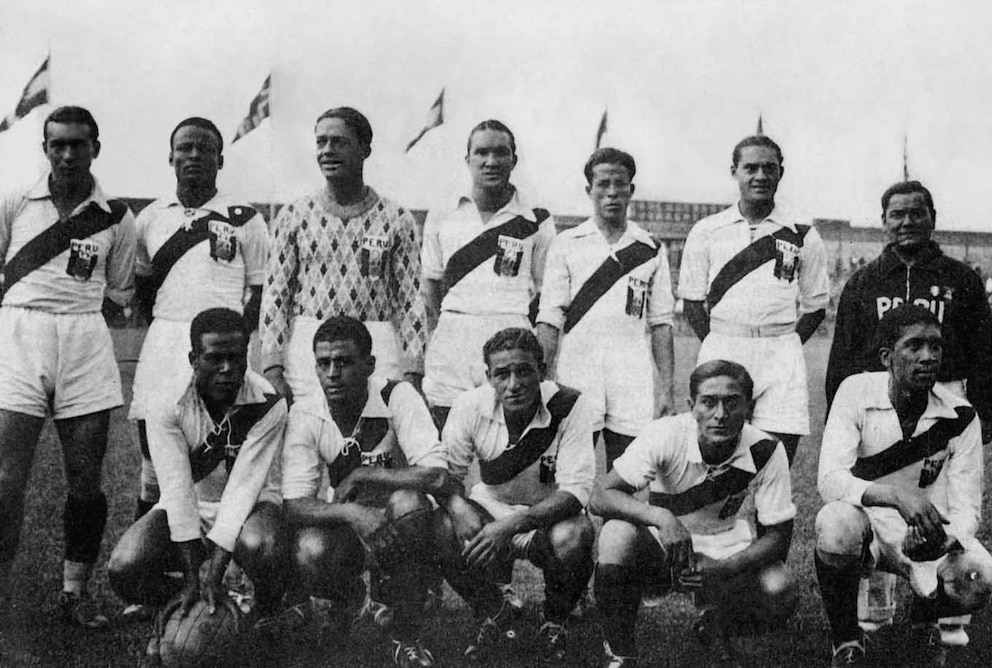
In the semi-final—under calmer circumstances—Austria defeated the national team of another country coveted by the Nazi regime: Poland. With a 3–1 victory, the Austrians advanced to the final, where they would once again face Italy in a grand rematch of the World Cup final.
Before 85,000 spectators at Berlin’s Olympiastadion, on the evening of August 15th, Italy prevailed in extra time thanks to Frossi, who scored both goals in the 2–1 win. Thus, Pozzo’s Squadra Azzurra succeeded in denying the great Wunderteam a world title—Austria, a nation now in flux, emerging from a Red Vienna that no longer existed, the embodiment of a postwar cosmopolitanism that was now yielding across Europe to the rise of nationalist aggression.
The Glow Before the Storm
Europe was heading toward the darkest period in its history, and by the mid-1930s, the clouds of yet another war were beginning to gather. At the same time, the growing alliance that would evolve into the Axis, along with the ideological foundations of fascism and Nazism, contributed to the establishment of racial and anti-Semitic laws in a series of countries. One totalitarian regime after another, starting with the persecution of all progressive elements in their societies, turned its sights on the numerous and centuries-old assimilated Jewish communities, as well as the Romani populations, beginning with exclusions and culminating in a campaign of mass annihilation.
But before all this became reality, football was still being played — and following the 1934 World Cup, at that year’s Mitropa Cup, the great star of the Squadra Azzurra, Angelo Schiavio, led Bologna to its second title — the first actually won on the pitch, following the controversial events of 1932. In 1935, Sparta repeated Bologna’s achievement by winning the competition for a second time, followed in the next two years by Austria Wien and Ferencváros, who also claimed their second titles.
In May and June of 1937, however, a different competition was held in France — one that took place only once. The so-called International Tournament of the Paris World’s Fair was a gathering of clubs from the strongest footballing nations of the time, including England, which until then had refused to participate in any intercontinental club competition involving continental Europe. A total of eight teams took part, representing seven countries. France, as host nation, was represented by Marseille and Sochaux, who had finished in the top two places of that year’s domestic league. Austria was represented by Austria Wien, the reigning Mitropa Cup champions. Hungary sent Phöbus FC, a club that had just played its first season in the top division. From Germany came Leipzig, and from Czechoslovakia, Slavia Prague, the national champions. Italy was represented by league winners Bologna. And from England came Chelsea — although they had finished 11th in the Football League that season, their presence reflected cosmopolitan London’s ambition for international success.
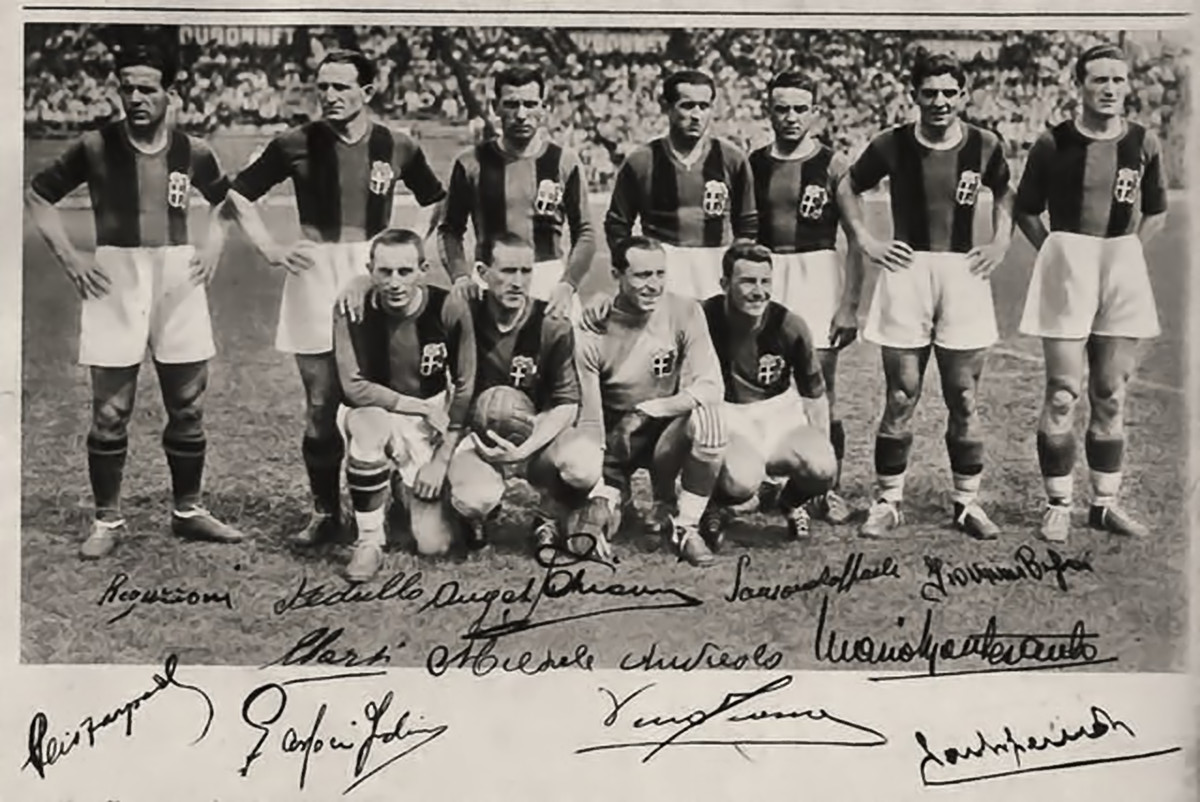
Thus, while England, Germany, and Hungary sent more or less random participants, the remaining countries were represented by their top clubs. This naturally impacted the results of the first round — the quarter-finals — where Austria Wien eliminated Leipzig, Slavia Prague beat Phöbus, Bologna triumphed over Sochaux, and Chelsea progressed over Marseille thanks to a coin toss. At the time, there was no penalty shootout and no provision for a replay in the tournament. In the semi-finals, Bologna and Chelsea both won 2–0 against Slavia and Austria Wien, respectively, setting up a historic final between a continental European powerhouse and a representative of the English Football League. The match was held on June 6th at the Olympic Stadium in Colombes, just outside Paris. The very nature of the final made it historic.
But even more historic than the stakes of the match was the man on the bench for Bologna. Árpád Weisz was born in Solt, western Hungary, on April 16, 1896. The son of a Jewish middle-class family — his father was a dentist — he was named after Árpád, the legendary leader of the Magyars, which itself reflected the assimilation of Jewish identity into the various national fabrics of Central Europe. Unlike many children of his era, his social class allowed him to attend secondary school, and he even began university studies in Budapest, which he later abandoned to pursue a football career abroad. He had been involved in football from the age of 15, joining the youth ranks of Törekvés, with whom he made his top-flight debut at the age of 17.
During the Great War, he was drafted and fought for the Austro-Hungarian Empire. He was taken prisoner by the Italians on November 28, 1915, during the Fourth Battle of the Isonzo, on Mount Mrzli. He spent the remainder of the war in a POW camp in Trapani, where he learned Italian — a skill that would shape the rest of his life. After the war, he returned to Hungary and rejoined Törekvés, before transferring in 1923 to the Czechoslovak club Maccabi Brno. On March 4, 1923, he made his debut for the Hungarian national team and was later included in the squad for the 1924 Paris Olympics. In 1925, as anti-Jewish sentiment intensified in Horthy’s Hungary, he decided to move to Italy, where he initially joined Alessandria before transferring mid-season to Inter. However, a knee injury soon brought his playing career to a premature end.
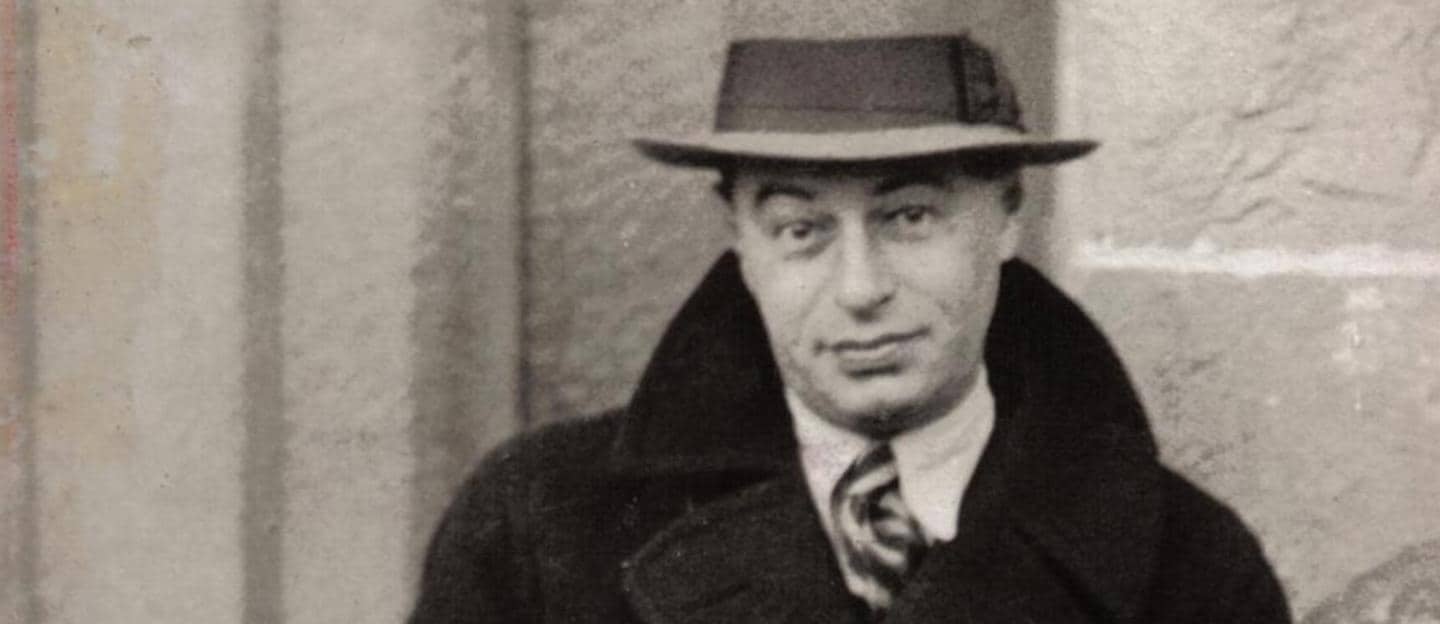
Having lived from within the entire developmental arc of Hungarian football, Weisz decided to become a coach, and in that same year he took over at Inter — which had already been renamed Ambrosiana. In 1927, Weisz was the one who spotted the young Giuseppe Meazza in the club’s academy. Although he spent a year away from the Milan bench, he returned in 1929, made Meazza a starter, and won the 1930 championship. At just 34 years of age, he became the youngest coach in history to win the Italian championship — a record that stands to this day. That same year, he began publishing his thoughts on football and released a manual titled “The Game of Football”, with a foreword written by Vittorio Pozzo. After a stint at Bari, he returned for a third time to Ambrosiana, coaching the club during the legendary 1933 Mitropa Cup final series. In 1934, he spent one season at Novara before moving, in 1935, to take charge of the team known as “the most Danubian of the Italian sides”: Bologna. Continuing the tradition of Austro-Hungarian coaches, Weisz led Bologna to national titles in 1936 and 1937, before heading to Paris to face Chelsea in the final of the Exhibition Cup.
In the Paris final, Bologna entered the pitch as champions of a country that was simultaneously world and Olympic champion — however those titles had been won — and, more importantly, with the experience of a team that had competed at the top continental level and already won two international trophies. With this pedigree, Bologna dominated. Left-winger Carlo Reguzzoni scored in the 15th and 31st minute, and midfielder Busoni added another goal in the 20th. With the score at 3–0 by halftime, it became clear that the Danubian School’s first great triumph over the “Mother of Football” would come at club level. In the second half, Reguzzoni repeated his feats and completed a hat-trick, while the Londoners managed only a consolation goal from Sam Weaver in the 72nd minute. Bologna had defeated an English side — European football had scored its first major victory, and on the field that best expressed its identity: the development of an international club network. This result may have been even more important for Meisl’s vision than if the great Wunderteam had beaten England on their own soil, because even though the stakes may not have been at the highest level, the symbolic reading of the outcome confirmed the justice of his footballing vision. And before history could vindicate Meisl, he was vindicated by one of its victims: Árpád Weisz.
Weisz stayed one more year at Bologna, but the persecution of Jews, now reaching Italy with the enactment of racial laws, forced him to flee. His last match in Italy — a cruel twist of fate — was Bologna versus Ambrosiana, in October 1938. Ordered to leave the country, as were all Jews, by March 1939, he escaped with the help of club officials on January 10th, heading first to Paris. In search of work, he found a position at Dordrecht in the Netherlands — the same club where Jimmy Hogan had started his coaching career. At the time, many Jews considered the Netherlands a safe haven, believing that the country’s agreements with Nazi Germany meant that the terror would not spread to a nation that did not need to be conquered. This belief, however, proved fatal for thousands, as the Netherlands effectively opened its borders to the Holocaust. In September 1941, Weisz was banned from working, and his children, Clara and Roberto, were expelled from school.
On October 4th, 1942, Árpád Weisz and his entire family were deported on an armored train to Auschwitz. His wife, Ilona, and their two children were sent straight to the gas chambers. Árpád was spared, kept alive for forced labor. About a year and a half later, one of the greatest coaches in the history of European football died from the horrors of captivity on January 31st, 1944, at the age of 47.
Today, the name and legacy of Weisz are fundamental parts of the identities of both Inter and Bologna. Monuments in his memory stand outside the stadiums of both clubs, as well as at the ground in Dordrecht. At Stamford Bridge, the home of Chelsea — the team that had faced his Bologna in that historic final in Paris — a mural depicts Weisz alongside Julius Hirsch, the German Jewish Olympian, and British goalkeeper Ron Jones, all of whom died at Auschwitz.
Football Under the Swastika
Árpád Weisz was one among the millions of victims of humanity during the horrors of the Second World War — and more precisely, of the atrocities of fascism and Nazism, which had begun even before the inter-imperialist rivalries spilled over onto the battlefield. The countries that had formed the wondrous network of Danubian Football were now slowly beginning to disappear. The International Cup of 1936–1938 was never completed, as not all the countries that had started the tournament still existed — most notably, Austria.
On 15 March 1938, from a balcony of the Neue Hofburg in Heldenplatz and before a crowd of 250,000 people, Adolf Hitler announced the annexation of Austria into the Nazi Reich, which from that point onward would be referred to as Ostmark. Alongside many other conquests of the Austrian Republic, the football imagined and built by the cosmopolitan idealists of the cafés of a multiethnic capital city was crushed beneath the boot of the most monstrous ideological construct humanity has ever known. Hugo Meisl had died a year earlier from a heart attack and did not live to witness this development. Professional football was abolished and turned into an amateur structure based on the German model, while the Austrian league became one of the regional leagues of the federal German championship. The Wunderteam, Austria’s legendary national side, was disbanded, and its players were to become part of a unified German team. This process would begin with a festive match — the so-called Anschlussspiel — in which the Austrian national team would play one final game, against Germany, before the two sides merged.
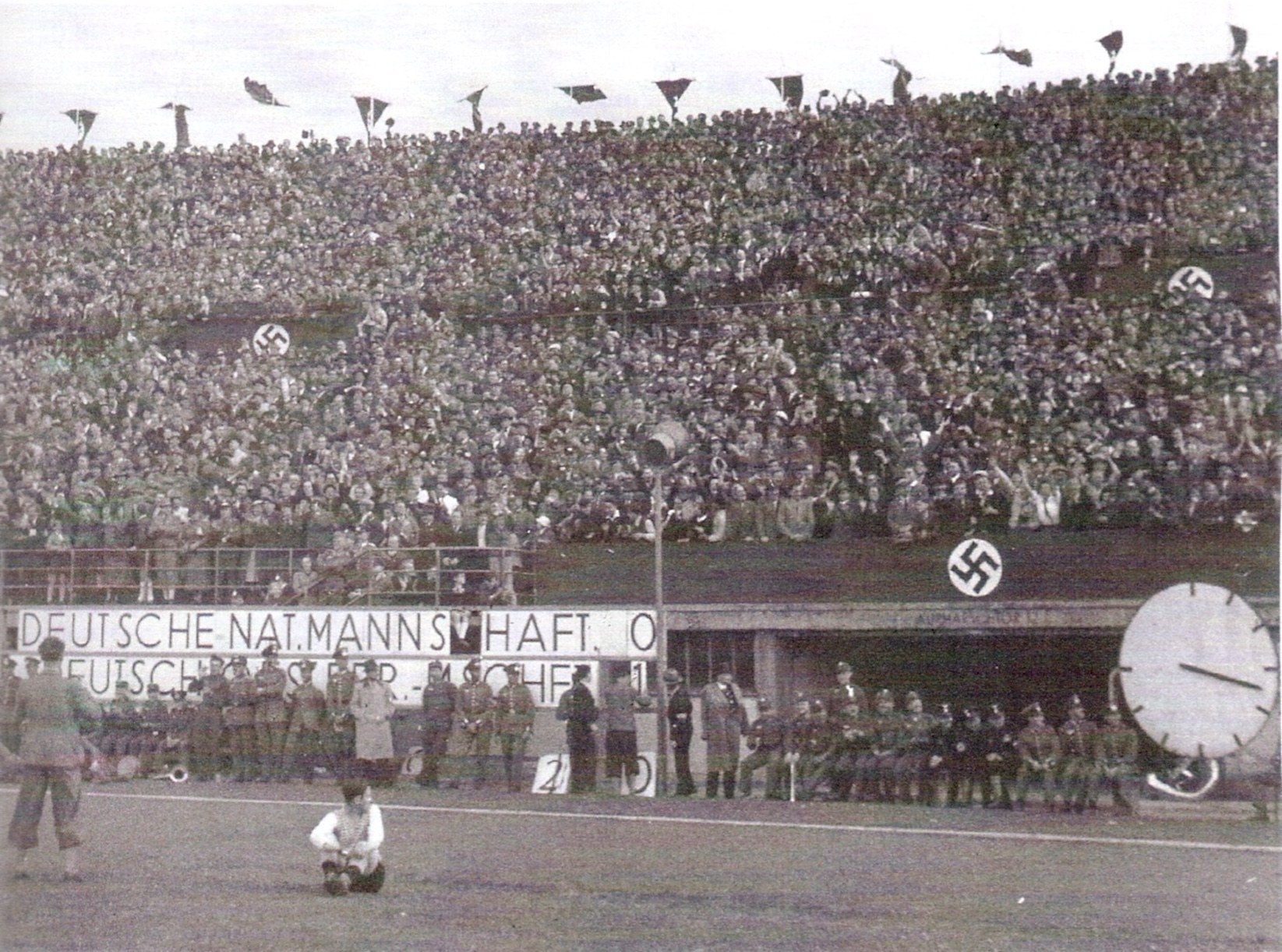
The Austrian team was already weakened, as beyond the legendary players reaching the twilight of their careers, many others — of Jewish origin — had fled the country. On 3 April, just nine days after the referendum that approved Austria’s annexation by a margin of 99.73%, the Praterstadion was decorated with swastikas, evoking more the image of Nuremberg than of Vienna. Since both national teams had the same colours, Austria played in red kits, with no white or black whatsoever, so as not to make any reference to the Austrian flag. This match marked the final appearance of Matthias Sindelar, the Papierene, the “Mozart of Football,” who refused to ever wear the shirt of the German national team. Austria won the match with goals by Sindelar and Sesta, thus closing the chapter of the Wunderteam with one last victory — one that was anything but triumphant in its tone.
Beyond Austria, Nazi Germany also absorbed the territory of yet another Central European country. At the meeting held in Munich on 30 September 1938 — attended by the leaders of the Reich, Fascist Italy, the liberal French republic, and the constitutional monarchy of the United Kingdom, and which could thus be described as the “agreement of Hitler, Mussolini, Chamberlain, and Daladier” — it was decided to end hostilities in Czechoslovakia through the surrender of the Sudetenland, the region home to the majority of the country’s German-speaking population. Germany’s territorial claims, however, did not stop there. A few months later, Britain and France accepted Hitler’s plan, and by the end of March 1939, Czechoslovakia had entirely fallen under the Reich’s control. Another cosmopolitan democracy was thus handed over to the Nazi inferno, extinguishing along with it a multinational footballing school — one that could now only await rebirth, alongside the hope for a great and universal human victory.
At the same time, Hitler recognised Poland and Hungary as part of the wider sphere of German influence and declared his intention to annex them as well. Unlike other countries that had surrendered through agreements or were conquered by force, Hungary — under the leadership of Horthy — swiftly aligned its politics with Nazism, initiating ethnic pogroms on its own soil. These were, of course, directed against the country’s large Jewish population, and therefore against many of the protagonists of interwar Hungarian football. On 20 November 1940, Hungary became the fourth member of the Axis powers, and from that point onward, the carriers of a game that had once served as a channel of communication between nations had to hide from foreign occupiers and local nationalists alike.
Yet, while football was dying across the Nazi-occupied parts of Europe, just before the war erupted, a seed was transplanted into the neutral soil of Switzerland. There, since 1938, the national team was coached by Austrian Karl Rappan, who had played for three Viennese clubs — Wacker, Austria, and Rapid — before finishing his career at Servette, and later embarking on a long coaching career in Switzerland. Rappan was clearly a product of the school that had developed the WM formation, while also following the evolution of Chapman’s British pyramid. But with the aim of improving the weakest side among the Central European nations, he focused his efforts on tactical defensive reinforcement. His experiments led to a system with an extra defender whose task was to “clean up” space and effectively lock down the defence. This system, known as the verrou, and the player responsible for sweeping up danger — the “sweeper,” who was free to move across the back line and became known as the libero — would go on to define postwar football in much of Southern Europe, and especially in Italy, where it laid the foundation for the famous catenaccio.
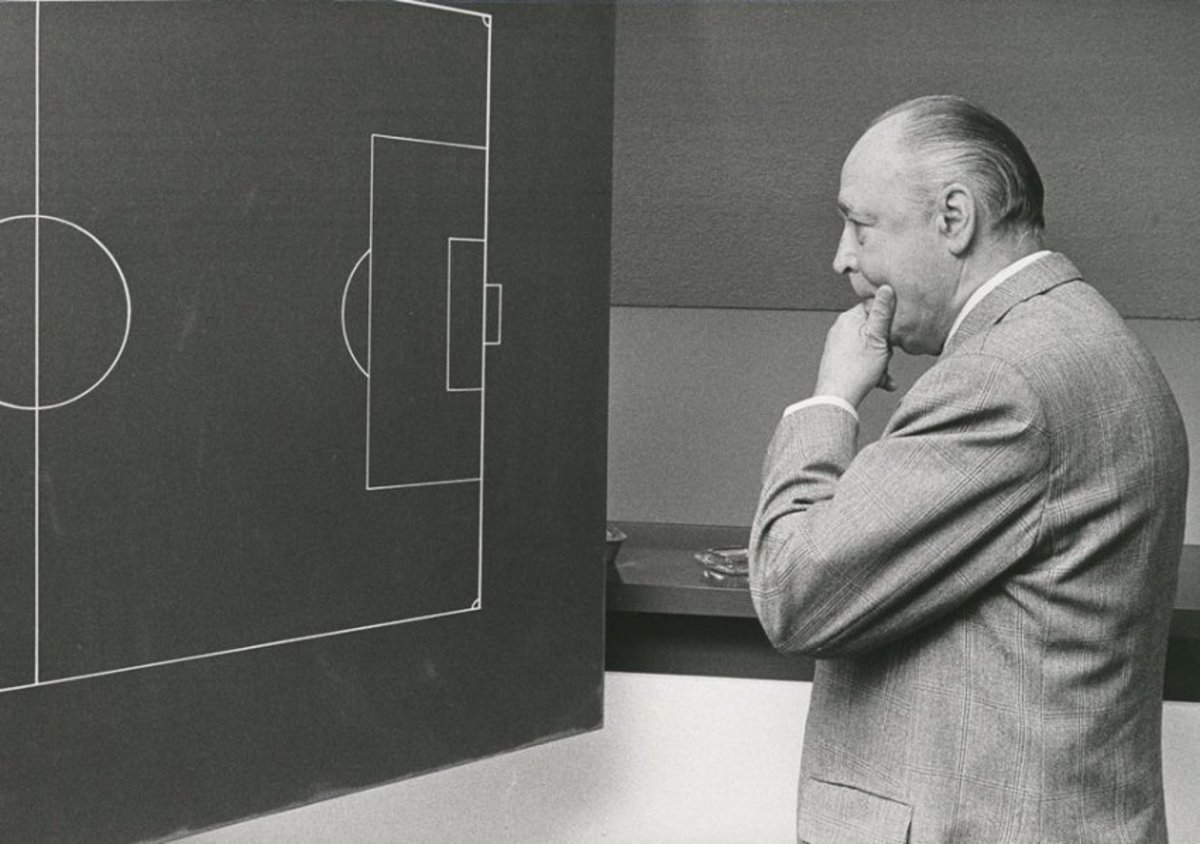
By the end of August 1939, the clouds of war had darkened fully over Europe. The Soviet Union, which a year earlier had sought the support of Poland and Romania to avert German expansion into Czechoslovakia — with both countries refusing to provide it — now watched as the Nazi war machine prepared for a major offensive to the east. So, on 23 August, the foreign ministers of the Soviet Union and Germany met in Moscow to sign a “Non-Aggression Pact,” which would go down in history as the Molotov–Ribbentrop Pact, named after its signatories. Nevertheless, just a week later, on 1 September 1939, Germany invaded Poland — once again targeting a region with a dominant German-speaking population — thus beginning its eastward advance. This campaign would eventually evolve into Operation Barbarossa, the complete annulment of the Molotov–Ribbentrop Pact, and the full-scale assault on the Soviet Union on 22 June 1941. Almost the entirety of Eastern Europe, up to the front lines, was now under the control of the Nazis or their allies.
Beyond Weisz, who had been captured in the Netherlands and deported to Auschwitz, several other major figures of Central European football also fell victim to the Nazis. István Tóth, veteran player and coach of Ferencváros, was executed by the SS in Budapest on 6 February 1945. Géza Kertész, who, like many others, had worked for years as a coach in Italy, returned to Budapest in October 1943 believing that the wave of persecution had begun to subside. He ultimately met the same fate as Tóth when a resistance plan he had naively failed to protect was exposed. József Eisenhoffer — who had played for both Hakoah Vienna and Ferencváros and later managed Marseille — died of injuries sustained during an air raid in February 1945, just before the liberation of Budapest. Alfréd Schaffer, a key figure in the modernisation of German football and coach of Hungary at the 1938 World Cup, was found murdered in a train car in August 1945.
There were, however, some who survived. Márton Bukovi, a centre-half who had embarked on a coaching career in Zagreb with the local club Građanski (renamed Dinamo after the war), played a vital role in the resistance. The club had opposed the actions of the pro-Nazi Ustaše nationalists and helped many Jews escape capture — among them Max Reisfeld, who lived beneath the stadium stands for four years. Bukovi’s contribution to this resistance effort was critical, as he coordinated the operation to hide and protect the persecuted, together with other club officials. A man unrelated to football, Sandor Schwartz, survived the camps by falsely claiming he was a professional footballer. He was liberated on 2 May 1945, after being transferred to a detention centre in Mulhouse, France, near the Swiss border. Béla Guttman, who would go on to become one of the architects of postwar European football, escaped captivity with the help of local civilians, alongside Ernö Erbstein — the coach of the great and ill-fated Torino side that perished in the 1949 Superga air disaster. Kálmán Konrád moved from city to city and country to country to avoid arrest and managed to survive. Finally, Dezsö Steinberger — who later changed his surname to Solti — collaborated with the Nazis and Josef Meggele in the arrest of Weisz, and in 1949 fled Hungary to become one of the most notorious football agents in Europe, making a name for himself for fixing matches on a continental scale.
Beyond the heroes of football, the heroes of the people’s antifascist struggle were shedding their blood on the Eastern Front and in every country where resistance organisations emerged. The war, however, would ultimately be decided on the vast front where the Nazis faced off against the Red Army. From the end of the siege of Stalingrad on 2 February, the countdown began for the downfall of the German Reich. The Soviet counteroffensive spurred the major involvement of the Western Allies, who now threw themselves into battle on other fronts. The first Central European city to be liberated by the Red Army was Budapest, on 13 February 1945. In Vienna, Soviet troops entered as liberators on 13 April, and on 9 May — Victory Day — they advanced into Prague. But before any of these major capitals, the Red Army had already entered the hell of Auschwitz as liberators, on 27 January, while on 29 April American troops overcame German resistance at Dachau. At the same time, Italian partisans, with Allied support, liberated one Italian city after another, moving steadily northward. They entered Milan on 25 April and dealt the final blow to the remaining German forces on 2 May. On 28 April, the partisans executed Mussolini, and the following day his corpse was hung in Milan’s Piazza Loreto, alongside other infamous Italian fascists.
Europe was liberated. Fascism was defeated. And once again, the time came for hope, for life to resume — and along with it, for football to carry on. Upon the ruins of war and with the sacrifice of millions — both soldiers and civilians — the peoples of Europe began a journey that, over time, would be remembered as a “golden” era. Although 1945 marked the beginning of a new age in which the entire world appeared split into two great opposing blocs, the period that followed was characterised by long-lasting peace and a sustained sense of stability — despite occasional tensions that seemed to threaten catastrophe, especially given the existence of nuclear weapons, used for the first and only time in history by the American army in Hiroshima and Nagasaki in August 1945. Decades after the end of that era, the economic growth and popular prosperity experienced on both sides of the divide have faded from memory — and the idea that the planet could be a calm place, where people live in their homes without fear for the future, now feels like a distant relic of the past.
The Rebirth
Along with the rebirth of the world came the rebirth of hope for football — and in Central Europe, the interwar experience of Danubian football became the foundation for the rapid development of European football as a whole, and to a large extent, world football as well. The most weakened team of postwar Central European football was the once-mighty Austria. Meisl and Sindelar had died before the war, Hogan never coached again and lived the rest of his life in England. The entire network of old footballing Vienna had vanished after a decade of Nazi rule. The Wunderteam was now a chapter in history, and Austrian football would never again recover its former glory — except through its veterans, many of whom, during the first postwar decades, found themselves on the benches of clubs in every corner of Europe.
In contrast with Austria, however, Czechoslovakia and Hungary now belonged to the part of Europe where socialism was being built, thus entering another great footballing network, with its own tradition and distinct ideology. Both countries entered a new period of major football development. Yet it was Hungary that reached its greatest heights during the postwar years, creating a legacy that would forever belong to the pantheon of football history. The central figure of this process — which effectively marked the swan song of Danubian football and culminated in a historic and symbolic triumph — was Márton Bukovi, the Dinamo Zagreb coach who had hidden Jews beneath his team’s stadium stands. Bukovi returned to Hungary in 1947 to take charge of MTK, the club that had produced so many great personalities, the team that Hogan had once helped elevate. There, he began a tactical experimentation that would go down in history. The impetus for this tactical thinking may have been the fact that in 1948, the team’s heavy artillery — the centre-forward Norbert Höfling — transferred to Lazio. Bukovi was thus left without a comparable player in his lineup and was forced to use Péter Palotás, a player with more creative talents, at the centre of the attack. In order to exploit Palotás’s strengths, Bukovi brought him slightly deeper, closer to the midfielders, creating more space for the other four attackers to operate in a more flexible formation with greater area to cover. This retreat of the centre-forward — who evolved into a sort of advanced playmaker, with no spearhead leading the attack — made Hungarian football far more versatile. Under Bukovi’s leadership, MTK consistently improved: from sixth place in 1948, they went on to win two league titles and the only Hungarian Cup of that era by 1954.

Yet Bukovi’s tactical genius would be brought to full prominence on the international stage by another Hungarian football visionary — and a major political figure — who, largely thanks to that second quality, had taken the helm of the national team. Gusztáv Sebes had also been an MTK player from 1927 to 1940, ending his playing career at the same club in 1945. During those years, he earned only one cap with the national team. Born in 1906 in Budapest, the son of a tailor, Sebes was not only a footballer but also a trade unionist in Budapest’s industrial sector, and later at the Renault factory in Paris. It was in France that he first took up football, playing for teams like Sauvages Nomades and Club Olympique Billancourt, before giving up trade unionism to play professionally for MTK. In 1949, Hungary’s new leadership appointed him as national team coach. Prior to that, he had briefly coached MTK in a match when Gyula Feldmann suffered a heart attack, and had passed through a series of smaller clubs in occupied and postwar Hungary before taking over the national side.
Sebes, a committed communist, looked beyond the legacy of Danubian football and began to study the evolution of the game in the Soviet Union. There, in the early postwar years, a major footballing philosophy was also taking shape — one of its early representatives being Boris Arkadiev, who in 1946 authored the book Tactics in Football. The fact that Arkadiev was coach of Dynamo Moscow, who managed a 3–3 draw against Chelsea at Stamford Bridge in 1949, caught Sebes’s attention. Both for ideological reasons and tactical curiosity, he sought to better understand Soviet innovations — which had already begun experimenting with back-four systems and a 4–2–4 formation that would be adopted much later elsewhere in the world.
Sebes initially adopted Bukovi’s innovation from MTK into the national team setup, giving Palotás the role of the withdrawn centre-forward. With this tactical approach, and a brilliant generation of Hungarian players led by Ferenc Puskás — who played as an inside left — Hungary embarked on a remarkable run of triumphs. This run culminated in the extraordinary performance of Hungary at the 1952 Helsinki Olympic Games, where they defeated Romania, Italy, Turkey, and Yugoslavia in the final — scoring 20 goals and conceding just 2 — earning them the nickname “the Mighty Magyars,” or “Golden Hungary,” or “the Golden Team” — Aranycsapat. Yet Sebes, after the end of the Olympic Games, in a match against Switzerland for the restarted Central European International Cup, decided to replace Palotás and instead use Nándor Hidegkuti of MTK, who until then had been playing on the right side of midfield. Hidegkuti proved to be far better suited for this role, and from that match onward, he became the emblematic figure of the “false nine” position — a role that would evolve over decades to come.
As was customary before the war, the team considered the best in continental Europe was invited to play a friendly match in England. The great match between Hungary and England was set for November 25, 1953, at the legendary, old, imperial Wembley — then still called The Empire Stadium. England had never before been defeated on home soil, and the entire world awaited this clash with immense anticipation. Even before it was played, the match was dubbed “The Match of the Century.” This may have helped boost its commercial success as well, as more than 100,000 spectators filled the mythical stadium to witness the historic encounter.
The English lined up in a classic WM formation. Goalkeeper was Gil Merrick of Birmingham City. At the heart of the defense played Harry Johnston of Blackpool; left-back was Alf Ramsey of Tottenham (later the national team manager), and on the right, Bill Eckersley of Blackburn. The midfield duo was Billy Wright of Wolves and Jimmy Dickinson of Portsmouth. In attack: outside right was Stanley Matthews of Blackpool; inside right was Ernie Taylor, also of Blackpool; centre-forward was Stan Mortensen, again from Blackpool; inside left was Jackie Sewell of Sheffield Wednesday; and outside left, George Robb of Tottenham.
Hungary lined up with Gyula Grosics of Honvéd in goal, Gyula Lóránt of Honvéd — later coach of PAOK, who breathed his last breath on the bench at Toumba — playing as sweeper in a role similar to Karl Rappan’s verrou. On the right of the defense played Jenő Buzánszky of Dorogi, on the left Mihály Lantos of Vörös Lobogó — as MTK had been renamed. Inside left in defense was József Zakariás of Vörös, and just ahead of him, as a midfielder, also on the left, was József Bozsik of Honvéd. In the free central playmaker role was Nándor Hidegkuti of Vörös; right winger was László Budai of Honvéd, left winger was Zoltán Czibor of Honvéd, and the forward duo was Sándor Kocsis on the right and Ferenc Puskás on the left — both from Honvéd.
The element of the match that made the greatest impression was Hidegkuti’s performance. English central defender Harry Johnston, tasked with man-marking him, simply didn’t know how to cope. When he pushed forward to follow him, he left a huge gap in the heart of the defense; when he stayed back to cover that space, Hidegkuti had immense freedom to create. This was evident from the very beginning, as Hidegkuti scored his first goal in the 1st minute. In the 13th minute, Sewell equalised, but Hidegkuti scored again in the 20th, and then Puskás added two more goals in the 24th and 27th minutes to make it 1–4! Mortensen pulled one back in the 38th to make it 2–4 at halftime. In the 50th minute, Bozsik extended Hungary’s lead again, before Hidegkuti completed his hat-trick in the 53rd. In the 57th minute, Ramsey converted a penalty to seal the final score at 3–6 — a defeat of biblical proportions for the English.

Fifty-nine years after that historic game on the lawn of the Rothschild mansion, where British gardeners had once shown off their sport to the local elite, England had been defeated at its grandest home ground by a team born in the grunds of Budapest — made up of children from its working-class neighbourhoods, carrying the legacy of Jewish coaches, and led by a manager who had learned football while organising strikes in the factories of Budapest and Paris! The king had fallen from his throne — and what the great Wunderteam had failed to do in 1932, and what Pozzo’s Italy couldn’t achieve in 1934, was now accomplished by Hungary under Sebes, Puskás, Kocsis, Hidegkuti, and Lóránt. But present that day at Wembley was also Jimmy Hogan, witnessing the vindication of a lifetime’s work. After the match, Sebes himself declared: “Everything we know about football, we learned from Hogan,” thus signalling the journey of a footballing philosophy before it blossomed in the lands of the Danube. Now, the only remaining goal was the world crown.
In 1954, on Swiss soil, Hungary didn’t just enter as the favourite — they were the unbeatable team, considered untouchable after their rout of England on its own turf, having dethroned the imagined masters of football, and repeating the feat at home in May, when in front of 92,000 spectators at the Népstadion, the Hungarians crushed the English 7–1, sealing their supremacy.
Their next opponent, in the group stage in Zurich, was South Korea, who were swept aside 9–0. Then came West Germany in Basel — and that match ended 8–3. In the quarterfinals, they faced the previous tournament’s finalist, Brazil, defeating them 4–2. In the semifinal, they needed extra time to overcome defending world champions Uruguay, again with a 4–2 scoreline.
On July 4th, 1954, the final of the 5th FIFA World Cup took place in Bern, Switzerland. On the pitch, under the eyes of 62,500 spectators, two teams lined up — each with its own reasons for wanting to celebrate reaching the summit of football’s Everest. Germany, despite its heavy group-stage defeat to Hungary, had played two first-round matches against Turkey, winning 4–1 in the first and 7–2 in the second. In the quarterfinals, they overcame the Olympic tournament’s runner-up Yugoslavia 2–0, and in the semifinals they demolished Austria 6–1.
Unlike Hungary’s fluid and attractive system, Germany had already adopted the natural evolution of the metodo — Pozzo’s system that had dominated continental Europe during the interwar period. They thus played with a 4-2-4 formation and a heavily reinforced midfield, organised into an unusual square where the right inside forward operated more advanced (as one of the four attackers), while the left inside forward was effectively one of the two midfielders, positioned just ahead of the right half, who played in front of the defensive line.
The final’s game bore little resemblance to their group-stage encounter. Torrential rain had drenched the pitch in Bern, severely hampering the Hungarian passing game. Although Hungary initially took a 2–0 lead with goals from Puskás and Czibor in the 6th and 8th minutes, Germany quickly equalised with goals from Morlock and Rahn in the 10th and 18th. In the second half, the pitch was in even worse condition — favouring the less technical team, West Germany, who capitalised on it with Rahn scoring again in the 84th minute to seal the final score.
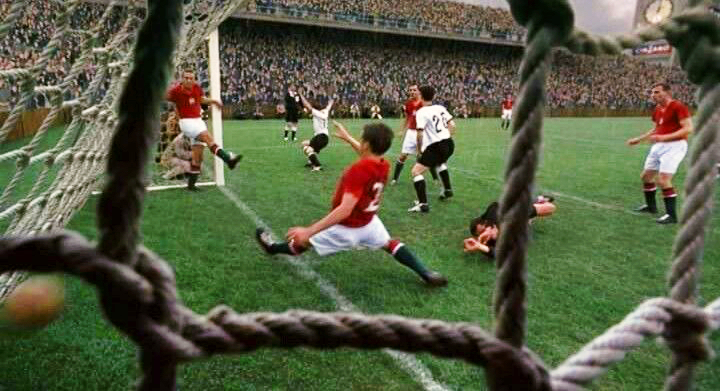
This victory — later dubbed the “Miracle of Bern” — sparked intense debate over the physical condition of the German players. Yet, what remained as lasting legacy, even if it wasn’t widely discussed at the time, was the importance of formation and style of play not only in relation to the players’ abilities, the opponents, and their tactics, but also in response to external conditions such as climate — critical in a sport designed to be played outdoors.
For Hungary, the lost final felt much like Austria’s lost semifinal in 1934. The greatest and most dazzling team of its era was defeated by a side whose physical strength allowed it to prevail in a match where technique could not dominate. Unlike 1934, however, twenty years later there were no refereeing scandals. This match marked the swan song of Hungary’s golden football generation — which dissolved, too, under the weight of political unrest, the terror campaign against communists led by organised political factions of Hungary’s bourgeois class, who sought to establish a liberal democracy that, in reality, never truly existed in the country.
The Waves of the Danube
Hungary may not have won the World Cup in 1954, but the 1950s were the decade when the footballing edifice of the Danubian School found its historical vindication — through the dissemination of the core ideas that had shaped it. The International Cup would be played for the last time during the five-year cycle of 1955–1960, and its final winner would be the new great representative of Central European football: Czechoslovakia. Yet this legacy, at the level of national teams, would give way to the emergence of a much broader footballing network that would function in the same spirit. In 1954, the European football confederation, UEFA, was founded, and in 1960 the first European Nations Cup — what would later become known as the Euro — was held on French soil. Club football supremacy moved from Central to Southern Europe, which began to organize the so-called Latin Cup — a short-format tournament on neutral ground involving the champions of Italy, France, Spain, and Portugal. From these countries emerged the first champions of European club football, at a time when the Mitropa Cup was losing its lustre and attracting lesser teams, while the European Cup — later to become the Champions League — had already begun in the 1955–56 season.
Meisl’s legacy was not limited to the Wunderteam, to the tactical evolution of the W-M, or to the footballing network that first brought professionalism to Central Europe and filled the stadiums with tens of thousands of fans cheering for working-class kids turned popular heroes, embodying ideologies and narratives. His legacy was essentially the entire European footballing architecture — the foundation of UEFA, its international and interclub competitions, a network that includes every nation on the continent and has spawned the shared stories of its peoples.
But beyond laying the groundwork for football development, the Danubian School filled the world with coaches who taught this kind of football across the globe. Dori Kürschner is regarded as the reformer of Brazilian football; Imre Hirschl, a relatively unknown figure in his homeland, created the legendary River Plate of the 1930s, shaping the consciousness of ideologically charged Argentine football; Béla Guttmann passed through dozens of European dugouts, leaving a lasting mark in Portugal by discovering and nurturing Eusébio, while earlier he had been one of the pioneers to play in the United States’ league. On the tactical level, Karl Rappan’s verrou would become the foundation of the catenaccio perfected by Nereo Rocco and glorified by Helenio Herrera at Inter. Meanwhile, Hogan’s football philosophy became the groundwork for the development of the most spectacular footballing experiment — totalvoetbal, which, through the genius of Cruijff, migrated from the Netherlands to Spain and from there influenced entire generations of managers who continue to win titles to this day.
Football in Central Europe — the so-called Danubian School — developed in a shifting political and social environment, even amid changes to the economic structures upon which each society was built. It began in the centres of industrialisation of the major cities of a multiethnic empire and, through a coherent development process, came to embody the aspirations of new national states. It first appeared as a pastime through which the ruling class sought prestige, only to become the means by which the children of working-class districts would unlock glory. Initially perceived as the product of a foreign culture, it would go on to become one of the most exportable cultural goods of the Danubian countries — and, at the same time, triumph over the foreign culture from which it had originally stemmed. Its form changed — first in theory, in cosmopolitan cafés, and then in practice, through the implementation of the reformers’ ideas and the technical artistry of its protagonists, who honed their craft on uneven pitches using a wide array of improvised objects that symbolised, rather than replaced, the ball itself.
Above all, Central European football refused to die — not in war, not under authoritarian regimes, not even under the horrors of Nazism, which targeted the philosophy of Danubian football ideologically and its protagonists literally.
Football in the Danubian countries was transformed from experience into knowledge — and that is its greatest contribution. Like many forms of art, it escaped the boundaries of mere entertainment: not only was it systematised as a discipline, but so too was the methodology through which it evolved. This happened because the aim of its visionaries was never solely the result. Football consists of matches with scores — and, of course, results are always a goal. But in Central Europe, the goal was to achieve results through the evolution of form, through the search for those elements that could give rise to a methodology capable of producing outcomes over time. For that very reason, it also served as the foundation for various footballing schools that endure to this day, even in a sport more commercialised than ever, where results are often the only metric of professional survival. Above all, Danubian football laid the groundwork for understanding how football changes form over time — through networks of idea exchange, through matches where these ideas are tested and refined — thus transcending the limits of a strictly physical activity, as it was in Britain, and transforming the game into a field of intellectual pursuit. Technological progress has only confirmed this trajectory, with modern football increasingly relying on technical and complex analysis of every aspect of the game.
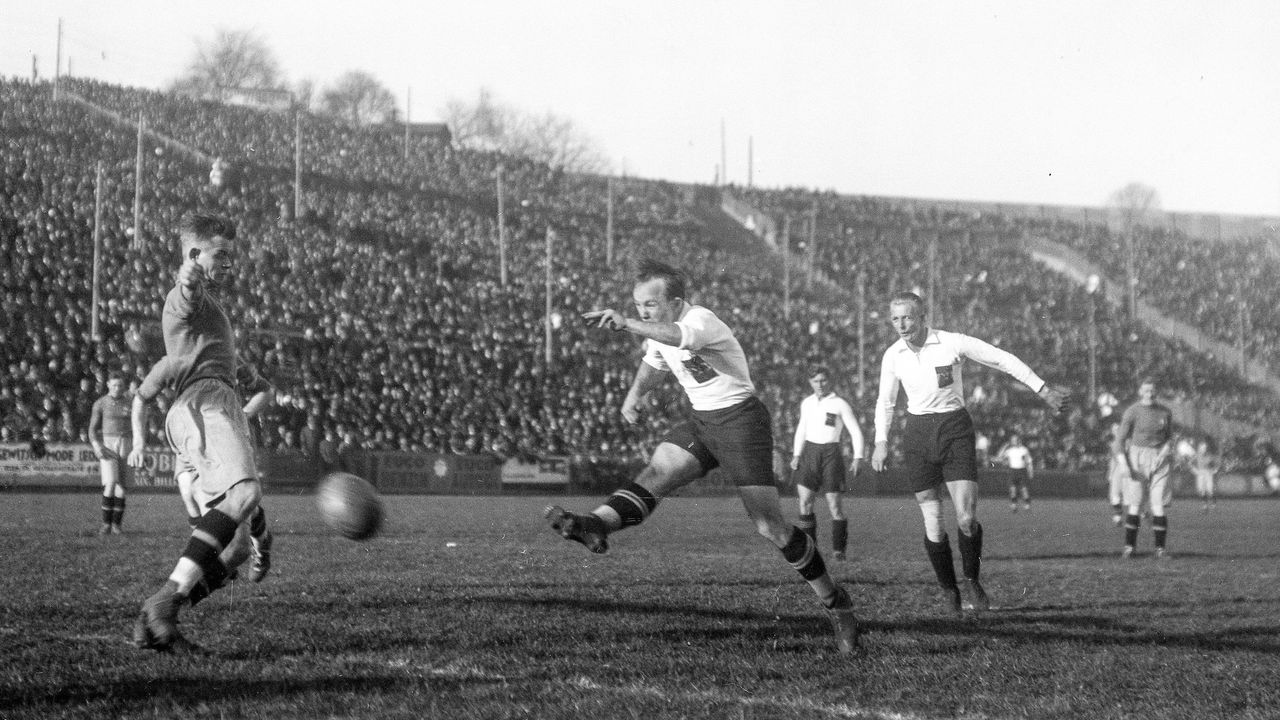
And yet football is a game — and as such, above all, Danubian football is special because its existence became part of life for millions of people: for those who gathered at railway stations to bid farewell to their team traveling to a neighbouring country; for those who packed into stadiums by the tens of thousands, hoping for impossible comebacks because they believed in the superiority of their footballing tradition; for those who passed down stories of the heroes of their time to the generations that followed, and who, in the absence of audiovisual records, could stretch the limits of their imagination endlessly in trying to reconstruct the atmosphere and images of an entire era.
It was the era when an entire continent knelt and rose again — to celebrate the greatest victory of all peoples, together with football, the game of all peoples.
